On this page
- Viljandi’s Festival Spirit: Where Folk Music Meets Lake Culture
- Exploring Viljandi’s Historic Old Town and Castle Ruins
- Lake Viljandi: Swimming, Walking Trails, and Waterfront Activities
- Local Food Culture: Traditional Estonian Flavours and Modern Twists
- Day Trip or Overnight? Planning Your Viljandi Visit
- Getting to and Around Viljandi
- 2026 Budget Guide for Viljandi
- Frequently Asked Questions
💰 Click here to see Estonia Budget Breakdown
💰 Prices updated: October, 2026. Budget figures are estimates — always verify before travel.
Exchange Rate: $1 USD = €0.88
Daily Budget (per person)
Shoestring: €40.00 – €70.00 ($45.45 – $79.55)
Mid-range: €120.00 – €250.00 ($136.36 – $284.09)
Comfortable: €300.00 – €900.00 ($340.91 – $1,022.73)
Accommodation (per night)
Hostel/guesthouse: €15.00 – €40.00 ($17.05 – $45.45)
Mid-range hotel: €60.00 – €150.00 ($68.18 – $170.45)
Food (per meal)
Budget meal: €15.00 ($17.05)
Mid-range meal: €35.00 ($39.77)
Upscale meal: €100.00 ($113.64)
Transport
Single metro/bus trip: €2.00 ($2.27)
Monthly transport pass: €30.00 ($34.09)
Viljandi in 2026 faces an interesting challenge: how does Estonia’s premier folk music destination maintain its authentic charm while accommodating growing international interest? The answer lies in the city’s genuine commitment to tradition and its stunning lakeside setting, which naturally limits overdevelopment while enhancing the intimate festival atmosphere that makes this place so special.
Viljandi’s Festival Spirit: Where Folk Music Meets Lake Culture
Viljandi earns its reputation as Estonia’s cultural heart through the legendary Viljandi Folk Music Festival each July, but the city’s musical soul extends far beyond one weekend. The 2026 festival format has evolved to include more international artists while preserving the grassroots workshops that let visitors learn traditional Estonian instruments like the kannel.
Walk through the cobblestone streets during any summer evening and you’ll hear the gentle strum of guitars and accordions drifting from the terraced gardens near the castle ruins. Local musicians gather spontaneously at the wooden amphitheatre overlooking Lake Viljandi, creating an atmosphere where the scent of pine mingles with the sound of centuries-old folk melodies.
The Viljandi Culture Academy, Estonia’s only higher education institution dedicated to traditional and world music, keeps the scene vibrant year-round. Their student concerts happen most Friday evenings from September through May, offering visitors a chance to experience the city’s musical heritage beyond festival season.
Exploring Viljandi’s Historic Old Town and Castle Ruins
Viljandi’s medieval heritage centres on the dramatic ruins of the Order Castle, perched on a hill overlooking the lake. The 13th-century fortress remains tell the story of German crusaders who chose this strategic location for its commanding views across the ancient valley.
The castle ruins host outdoor theatre performances throughout summer, with the stone walls providing natural acoustics for Estonian plays and international productions. The adjacent Viljandi Museum offers context through interactive exhibits about medieval life and the castle’s role in Baltic German history.

Old Town’s wooden architecture reflects 19th-century prosperity when Viljandi thrived as a trading centre. The town hall and surrounding merchant houses showcase the distinctive Estonian blend of German and Nordic influences. Many buildings now house artisan workshops where you can watch traditional crafts like pottery and weaving.
The suspended footbridge connecting the castle hill to the cultural academy campus has become an Instagram favourite, but its practical purpose makes more sense: students and residents use it daily to cross between the historic and modern sections of town.
Lake Viljandi: Swimming, Walking Trails, and Waterfront Activities
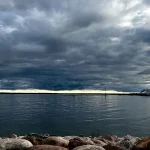
Lake Viljandi stretches 4.6 kilometres through the heart of the city, creating Estonia’s most beautiful urban waterfront. The official swimming area near the cultural centre features a sandy beach with changing facilities, though locals prefer the quieter spots along the eastern shore where wooden piers extend into surprisingly clear water.
The lake trail offers a complete 12-kilometre circuit through mixed forest and meadowland, with well-marked rest points and information boards explaining local flora. Spring brings wild orchids to the boggy sections, while autumn transforms the surrounding birch and oak forests into a golden canopy reflected in the still water.
Kayak and paddleboard rentals operate from the main beach area during summer months. The lake’s gentle currents make it perfect for beginners, and guided tours include stops at hidden coves where you might spot beavers or the occasional white-tailed eagle fishing in the shallows.
Winter transforms the lake into a natural skating rink when temperatures drop consistently below -5°C. Local volunteers maintain skating paths and even flood a small hockey area near the beach facilities.

Seasonal Activities Calendar
- Spring (March-May): Hiking the awakening forest trail, bird watching, early kayaking
- Summer (June-August): Swimming, festivals, evening concerts, full water sports
- Autumn (September-November): Forest photography, mushroom picking, cozy café culture
- Winter (December-February): Ice skating, cross-country skiing, sauna sessions
Local Food Culture: Traditional Estonian Flavours and Modern Twists
Viljandi’s restaurant scene balances traditional Estonian cooking with contemporary techniques that highlight local ingredients. The city’s location in the fertile Mulgi region means exceptional dairy products and hearty root vegetables form the foundation of many dishes.
Restaurant Fellin exemplifies this approach, serving modern interpretations of Estonian classics like blood sausage with lingonberry sauce and roasted pumpkin, or traditional rye bread soup elevated with locally foraged mushrooms. The restaurant sources ingredients from farms within a 30-kilometre radius, creating a menu that changes with the seasons.
The weekly farmers market on Tallinna Street operates Saturday mornings year-round, offering the chance to taste regional specialties like Mulgi kapsad (special sauerkraut preparation) and locally smoked fish. The market’s small scale means vendors know their products intimately and often share cooking advice.
Bread culture thrives at several traditional bakeries, including Kohvik Feliks, where the aroma of dark rye bread baking in wood-fired ovens fills the morning air. Their traditional Estonian breakfast includes homemade quark cheese, locally cured meats, and bread that’s been made using the same sourdough starter for over 40 years.
Must-Try Local Specialties
- Mulgi kapsad: Regional sauerkraut dish with pork and pearl barley
- Lake fish: Fresh perch and pike prepared simply with herbs
- Rye bread variations: Including sweet versions with caraway
- Local dairy: Especially the cultured butter and fresh cheeses
- Seasonal mushrooms: Chanterelles and porcini from surrounding forests
Day Trip or Overnight? Planning Your Viljandi Visit

Viljandi works beautifully as either a day trip from Tallinn or as a 2-3 day destination. Day trippers can cover the castle ruins, a lakefront walk, and lunch in the old town comfortably, especially with the improved train connections that began operating in 2025.
The case for staying overnight becomes stronger during festival season or if you want to experience the evening music scene. Local guesthouses and the historic Viljandi Hotel offer atmospheric accommodation within walking distance of main attractions. The city’s compact size means you’re never more than 10 minutes from your accommodation.
Two-day visits allow time for hiking the full lake circuit, attending workshops at the Culture Academy, and exploring the surrounding countryside. The nearby Soomaa National Park lies just 45 minutes away by car, making Viljandi an excellent base for combining cultural and natural experiences.
Festival periods require advance booking, but visiting in shoulder seasons (May-June, September-October) offers better accommodation rates and easier access to workshops and local events that might be overwhelmed during peak summer.
Getting to and Around Viljandi
The new Tallinn-Viljandi train service, launched in 2025 as part of Estonia’s regional transport improvements, connects the capital to Viljandi in 2 hours and 15 minutes. Trains run four times daily in each direction, with tickets costing €12-18 depending on time and advance booking.
Bus connections remain more frequent, with Lux Express and regional operators providing hourly service from Tallinn (2 hours, €8-12) and regular connections from Tartu (1 hour, €6-9). The bus station sits within easy walking distance of the old town and lake area.
Driving from Tallinn takes 1 hour 45 minutes via Highway 4, with straightforward navigation and reliable parking throughout the city centre. Rental cars cost €25-40 per day in 2026, making this option economical for groups or those planning to explore surrounding areas.
Within Viljandi, everything centres around the compact old town and lake area. Walking covers most tourist attractions easily, though local buses serve residential areas and the Culture Academy campus. Bicycle rental from the tourist information centre costs €15 per day and provides an excellent way to explore the lake trail and surrounding countryside.

2026 Budget Guide for Viljandi
Viljandi offers excellent value compared to Tallinn or Tartu, though prices increase significantly during the July folk festival. Budget planning should account for seasonal variations and the type of experience you’re seeking.
Accommodation (per night)
- Budget: Hostels and guesthouses €25-35
- Mid-range: Historic hotels and B&Bs €45-75
- Comfortable: Boutique hotels and lake view rooms €80-120
Dining (per person)
- Budget: Café meals and market food €8-15
- Mid-range: Restaurant dinners €18-28
- Comfortable: Fine dining experiences €35-50
Activities and Transport
- Train from Tallinn: €12-18
- Bus from Tallinn: €8-12
- Museum admission: €3-6
- Folk music workshops: €25-45
- Bicycle rental: €15 per day
- Kayak rental: €20 for 3 hours
Daily budget estimates for 2026: Budget travellers €40-55, mid-range visitors €65-85, comfortable travel €100-140. Festival periods add 30-50% to accommodation costs.
Frequently Asked Questions
When is the best time to visit Viljandi?
July offers the famous Folk Music Festival but expect crowds and higher prices. May-June and September provide excellent weather, active cultural programs, and better value. Winter brings a cozy atmosphere with indoor concerts and potential ice skating.
Is Viljandi worth visiting outside festival season?
Absolutely. The Culture Academy maintains year-round programming, restaurants and attractions operate normally, and you’ll experience authentic local life. Shoulder seasons often provide better access to workshops and more intimate musical performances than the busy festival period.
Can I swim in Lake Viljandi safely?
Yes, the lake maintains good water quality with regular testing. The designated swimming area near the cultural centre provides the safest access with facilities and lifeguard supervision during summer. Water temperatures reach 18-22°C in July and August.
How much Estonian should I know for visiting Viljandi?
English works fine in restaurants, hotels, and tourist attractions. Learning basic Estonian greetings enhances interactions with locals, especially at the farmers market or smaller venues. The folk music community includes many international visitors, so English is commonly heard.
What makes Viljandi different from other Estonian cities?
Viljandi uniquely combines authentic folk culture with stunning natural setting. Unlike coastal cities, it offers genuine traditional music heritage and lake-based outdoor activities. The city maintains small-town charm while providing sophisticated cultural programming that attracts international visitors and artists year-round.
📷 Featured image by Jaanus Jagomägi on Unsplash.