On this page
- Viljandi in 2026: What First-Timers Get Wrong
- What Makes Viljandi Different from Other Estonian Towns
- The Castle Ruins and Hilltop Quarter
- Viljandi Folk Music Festival: The Real Draw
- Where to Eat and Drink in Viljandi
- Day Trip or Overnight?
- Getting to Viljandi
- Getting Around Once You’re There
- 2026 Budget Reality
- Frequently Asked Questions
💰 Click here to see Estonia Budget Breakdown
💰 Prices updated: October, 2026. Budget figures are estimates — always verify before travel.
Exchange Rate: $1 USD = €0.88
Daily Budget (per person)
Shoestring: €40.00 – €70.00 ($45.45 – $79.55)
Mid-range: €120.00 – €250.00 ($136.36 – $284.09)
Comfortable: €300.00 – €900.00 ($340.91 – $1,022.73)
Accommodation (per night)
Hostel/guesthouse: €15.00 – €40.00 ($17.05 – $45.45)
Mid-range hotel: €60.00 – €150.00 ($68.18 – $170.45)
Food (per meal)
Budget meal: €15.00 ($17.05)
Mid-range meal: €35.00 ($39.77)
Upscale meal: €100.00 ($113.64)
Transport
Single metro/bus trip: €2.00 ($2.27)
Monthly transport pass: €30.00 ($34.09)
Viljandi in 2026: What First-Timers Get Wrong
Most people who visit Viljandi do it backwards. They come for the folk music festival in late July, spend 72 hours in a field surrounded by music, and leave thinking they’ve seen the town. They haven’t. Viljandi is a genuinely unusual place — a compact, hilly, medieval-rooted town of around 16,000 people that has quietly built one of Estonia’s strongest cultural identities outside Tallinn. If you’re planning a summer festival trip, add at least one extra day. If you’re coming in another season, come anyway. The castle ruins and lake views are worth it year-round, and the crowds are gone.
What Makes Viljandi Different from Other Estonian Towns
Viljandi sits in south-central Estonia, in the historical region of Mulgimaa, and it carries that identity seriously. The Mulgi people had their own dialect and a reputation for being prosperous, independent, and a little stubborn about it. You can feel that streak of self-sufficiency in the town today — in the locally run cafés, the craft workshops, the organic market on Saturdays, and the sheer number of cultural institutions packed into a small city.
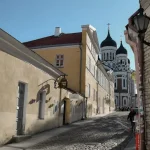
The terrain itself sets Viljandi apart. Most of Estonia is flat enough to feel endless. Viljandi is hilly, sitting on a ridge above Lake Viljandi, with streets that drop sharply and panoramic views that surprise you. The old wooden houses along Kauba and Lossi streets have genuine charm — not the restored-for-tourists kind, but the slightly worn, genuinely lived-in kind. In autumn, the linden trees along the main street turn gold, and the lake below catches the light at dusk in a way that’s hard to photograph but easy to remember.
The Castle Ruins and Hilltop Quarter
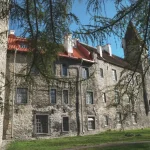
The Order Castle ruins are Viljandi’s most dramatic feature, and they’re free to visit any time. The Livonian Order built here from the 13th century, and what’s left — two remaining walls, a network of earthworks, and the suspension bridge connecting the park to the hilltop — is genuinely atmospheric. Come in the morning before the tour groups arrive and you’ll have the ruins mostly to yourself.
The suspension bridge is a short walk from the town centre and worth crossing just for the view down into the valley. Children will sprint across it. Adults tend to slow down mid-span and look out over the forested hillside. In winter, the earthworks fill with snow and locals use the slopes for sledding — a completely different experience from the summer festival atmosphere, but an honest one.
The Viljandi Museum, housed just below the castle hill, covers the town’s history from the medieval trading period through to the 20th century. Admission is around 5 EUR in 2026. It’s small but well-curated, and the archaeological finds from the castle site are legitimately interesting if you have any patience for medieval history.
Viljandi Folk Music Festival: The Real Draw
The Viljandi Folk Music Festival runs for four days each year, traditionally the last full weekend of July. In 2026, it falls on 23–26 July. It is not a niche event — roughly 25,000 people attend over the four days, which means the town’s population temporarily multiplies by more than 1.5. Tickets sell out months in advance for the evening concerts at the castle ruins stage. The daytime programme, which includes workshops, street performances, and craft markets, is partially free or very low cost.
The lineup consistently mixes Estonian folk revival artists with international guests from Finland, Latvia, Ukraine, Ireland, and further afield. What distinguishes this festival from a generic world-music event is the genuine connection to living tradition — the Estonian folk revival movement is serious here, and the Viljandi Culture Academy (part of the University of Tartu) trains folk musicians who perform at the festival and around town all weekend. You’ll hear traditional instruments like the kannel and torupill played by people in their twenties who actually know what they’re doing.
Accommodation books out entirely during festival weekend. Book at least three to four months ahead, and seriously consider staying in Tartu (52 km away) and driving or getting a shuttle. Several guesthouses in nearby villages also take festival visitors.
Where to Eat and Drink in Viljandi
The food scene is small but has a clear identity. Viljandi doesn’t have tourist-trap restaurants because it doesn’t get enough generic tourism to support them. What it has instead are places run by people who live here and cook what they like.
- Fellin — the name comes from the German historical name for Viljandi. It’s the town’s most reliable sit-down restaurant, serving Estonian ingredients with more care than you’d expect from a place this size. The smoked pork with sauerkraut is straightforward and exactly right. Main courses run 14–20 EUR.
- Kohvik Uku — a café with a loyal local following, good coffee, and homemade pastries. The cinnamon rolls come out warm mid-morning and are gone by noon. Expect to pay 3–5 EUR for coffee and something sweet.
- Ugala Kohvik — attached to the Ugala Theatre, this café is genuinely lively on performance nights. It’s a good spot for a beer and open-faced sandwiches without spending much.
- Saturday Market (Turuplats) — the town market runs Saturday mornings and is where you find local cheese, dark rye bread, pickled vegetables, and berries in season. The earthy scent of dark rye cooling on a cloth-covered board is one of those small things that anchors a memory.

Viljandi has a couple of solid bars along Tartu Street for evening drinks, and the craft beer scene is modest but present — look for Põhjala and Tanker taps around town.
Day Trip or Overnight?
From Tallinn, Viljandi is about 160 km south — roughly two hours by direct bus or just over two hours by train with a change at Lelle. That makes a day trip feasible but tight, especially in winter when daylight is short. From Tartu, it’s an easier case: 52 km by road, under an hour by bus, and the buses run frequently enough that you can leave Tartu after breakfast and be back for dinner.
Stay overnight if: you’re visiting during the folk festival, you want to explore the castle and lake without rushing, or you’re combining Viljandi with a broader south Estonia loop (Mulgi region, Soomaa National Park is 40 km west).
Day trip is fine if: you’re based in Tartu and want a half-day out, or you’re passing through on a road trip south and have a few hours to walk the castle hill and eat lunch.
Overnight options include a handful of guesthouses and one hotel (the Centrum Hotel on Tartu Street, mid-range, reliable). Rural farmstay accommodation within 20 km of town adds options for those who prefer quiet surroundings.
Getting to Viljandi
The main options in 2026 are bus and car. Direct buses from Tallinn take around 2 hours 15 minutes and run multiple times daily — Lux Express and Elron-connected regional services both cover the route. From Tartu, regional buses run roughly every 1–2 hours and take 50–60 minutes. The bus station in Viljandi is a 10-minute walk from the town centre.

By train, the Elron service from Tallinn requires a change at Lelle onto a smaller regional train. The journey takes around 2 hours 30 minutes total and is a pleasant ride through forest and farmland — the Lelle connection is well-timed and the transfer is easy, but it’s worth checking the current timetable on the Elron website before you travel.
By car from Tallinn, take the Pärnu highway south and turn off toward Viljandi — the road is straightforward. Parking in town is free in most areas outside the immediate centre.
Note: Rail Baltica construction continues to reshape traffic patterns on some southern routes as of 2026, but this does not directly affect the Viljandi line or road access.
Getting Around Once You’re There
Viljandi is compact enough that you can walk everywhere that matters. The castle ruins, the main shopping street (Tartu Street), the lake shore, and the central café area are all within a 15-minute walk of each other. The terrain is hilly, so comfortable shoes matter — the paths down to the lake involve some steps and uneven ground.
There are no trams or metro. Local buses exist but tourists rarely need them. Taxis are available through the local services or Bolt, which operates in Viljandi in 2026. Cycling is a good option in summer — the town has a small bike rental operation near the lake, and the surrounding countryside is flat enough once you’re out of the hillside centre.
2026 Budget Reality
Viljandi is noticeably cheaper than Tallinn and roughly on par with Tartu for most expenses.
- Budget (under 60 EUR/day): Hostel or guesthouse bed (15–25 EUR), café lunches and market food, free castle park access. Easily achievable outside festival weekend.
- Mid-range (60–120 EUR/day): Private guesthouse room or hotel (50–80 EUR/night), lunch at Fellin or similar (15–20 EUR), one evening concert ticket during festival (20–35 EUR), museum entry.
- Comfortable (120+ EUR/day): Better rural accommodation or larger hotel room, restaurant dinners, festival premium tickets, day trip to Soomaa by taxi or rental car.
Festival weekend pricing is a different world — accommodation rates double or triple, and the cheapest beds disappear months before July. Budget travellers who want the festival experience should plan to camp (the festival has an official campsite) or stay 30+ km away and use transport.
Frequently Asked Questions
When is the best time to visit Viljandi?
Late July for the folk festival, but May, June, and early September offer warm weather, smaller crowds, and full access to the castle park and lake. Winter visits are quiet and atmospheric — the castle ruins in snow are striking — but plan for short daylight hours and limited café hours during the week.

Is Viljandi worth visiting without the folk festival?
Yes. The castle ruins, lake views, and town character stand on their own. The food scene and weekend market give you enough to fill a half-day or full day comfortably. Viljandi outside festival season is a genuine Estonian town rather than a music event venue, which has its own appeal.
How do I get festival tickets for Viljandi Folk?
Tickets go on sale in early spring through Piletilevi, Estonia’s main ticketing platform. Evening concert tickets sell out fastest — the castle ruins stage has limited capacity. Day passes and workshop access are easier to get. Check the festival’s official website in February for the 2026 release date.
Can I visit Soomaa National Park as a day trip from Viljandi?
Yes. Soomaa is around 40 km west of Viljandi and is best reached by car or a guided tour, as public transport to the park itself is very limited. The park is famous for its spring flood season (March–April) when traditional canoe routes through the flooded forest become accessible. Summer offers hiking and bog walks.
Is English widely spoken in Viljandi?
In restaurants, hotels, and tourist-facing businesses, yes — English is comfortable for most staff under 50. In smaller shops or with older locals, Estonian or basic Russian may be more common. A translation app handles any gaps easily. During festival weekend, the international crowd means English is heard everywhere.
📷 Featured image by Margo Evardson on Unsplash.