On this page
- Old Town Dining: Medieval Settings with Modern Estonian Cuisine
- Kalamaja District: Hip Food Scene and Artisan Eateries
- Traditional Estonian Restaurants: Authentic Local Flavors
- Telliskivi Creative City: Street Food and Experimental Dining
- Kadriorg and Pirita: Upscale Dining with Baltic Views
- Local Markets and Food Halls: Fresh Produce and Quick Bites
- Budget-Friendly Eating: Where Locals Go for Affordable Meals
- Vegetarian and Vegan Options: Plant-Based Dining in Tallinn
- Late-Night Eats: After-Hours Food Scene
- Essential Practical Information
💰 Click here to see Estonia Budget Breakdown
💰 Prices updated: October, 2026. Budget figures are estimates — always verify before travel.
Exchange Rate: $1 USD = €0.88
Daily Budget (per person)
Shoestring: €40.00 – €70.00 ($45.45 – $79.55)
Mid-range: €120.00 – €250.00 ($136.36 – $284.09)
Comfortable: €300.00 – €900.00 ($340.91 – $1,022.73)
Accommodation (per night)
Hostel/guesthouse: €15.00 – €40.00 ($17.05 – $45.45)
Mid-range hotel: €60.00 – €150.00 ($68.18 – $170.45)
Food (per meal)
Budget meal: €15.00 ($17.05)
Mid-range meal: €35.00 ($39.77)
Upscale meal: €100.00 ($113.64)
Transport
Single metro/bus trip: €2.00 ($2.27)
Monthly transport pass: €30.00 ($34.09)
Finding great food in Tallinn has become significantly easier since 2026, when the city’s restaurant scene fully rebounded from the pandemic years and embraced both international influences and renewed pride in Estonian traditions. However, tourists often struggle to move beyond the obvious Old Town tourist traps or figure out where locals actually eat—especially with so many new neighborhoods now hosting excellent dining scenes.
Old Town Dining: Medieval Settings with Modern Estonian Cuisine
Tallinn’s UNESCO-listed Old Town offers more than tourist-focused medieval banquets. The cobblestone streets hide genuinely excellent restaurants that balance atmospheric historic settings with sophisticated Estonian cooking.
Tchaikovsky on Nunne Street remains the gold standard for upscale dining within the city walls. Chef Dmitri Rooz’s menu changes seasonally but consistently showcases Estonian ingredients through a refined European lens. The restaurant occupies a 14th-century merchant house, and dining here feels like eating in a private castle library, complete with leather-bound books and flickering candles. Expect to pay €45-65 per person for dinner.
Olde Hansa might seem like an obvious tourist trap, but locals actually recommend it for special occasions. The medieval atmosphere is theatrical, yes, but the kitchen takes historical recipes seriously. Their elk stew and honey beer provide an authentic taste of what wealthy Hanseatic merchants might have enjoyed 600 years ago. The warm aroma of roasting meat and mulled wine fills the candlelit dining halls.
For something more intimate, Dominic on Vene Street serves contemporary Estonian cuisine in a cozy townhouse setting. Their six-course tasting menu changes monthly but always features local game, Baltic fish, and foraged ingredients. The restaurant seats only 30 people, so reservations are essential.
Kalamaja District: Hip Food Scene and Artisan Eateries

Once a run-down industrial area, Kalamaja has transformed into Tallinn’s most exciting food neighborhood. The district’s wooden houses and converted warehouses now host innovative restaurants that attract both locals and food-savvy visitors.
Fotografiska Tallinn houses two restaurants worth visiting even if you skip the photography museum. The top-floor restaurant offers panoramic views over Tallinn’s skyline while serving Nordic-inspired dishes that change with the seasons. Their weekend brunch draws long queues, but the wait is worth it for dishes like Estonian rye pancakes with sea buckthorn and local honey.
Kaks Kokka on Uus-Kalamaja Street epitomizes the neighborhood’s creative spirit. Two young Estonian chefs serve sharing plates that blend traditional Baltic flavors with global techniques. The restaurant occupies a converted apartment, creating an intimate dinner-party atmosphere where you might find yourself chatting with chefs between courses.
The scent of fresh sourdough leads you to Rukis, a bakery-restaurant that has become Kalamaja’s morning gathering spot. Their dark rye bread, baked in a wood-fired oven, pairs perfectly with house-made butter and local honey. The afternoon light streaming through large windows makes this an ideal spot for a leisurely lunch.
F-hoone deserves mention for pioneering Tallinn’s farm-to-table movement. Located in a former submarine factory, this restaurant sources ingredients directly from Estonian farms and changes its menu based on seasonal availability. The industrial setting—exposed brick walls and concrete floors—creates a striking contrast with the delicate, locally-sourced plates.
Traditional Estonian Restaurants: Authentic Local Flavors
Estonian cuisine centers around hearty, seasonal ingredients that sustained the country through harsh winters and foreign occupations. Several restaurants in Tallinn preserve these traditional recipes while elevating their presentation for modern diners.
Kuldse Notsu Kõrts (The Golden Piglet Inn) serves the most authentic Estonian comfort food in the city. Their black pudding with lingonberry sauce and barley porridge tastes exactly like what Estonian grandmothers have been cooking for generations. The restaurant’s rustic interior, complete with wooden tables and folk art, enhances the traditional atmosphere.

Rataskaevu 16 occupies a special place in Tallinn’s dining scene as one of the few restaurants consistently praised by both tourists and locals. Their elk carpaccio and roasted root vegetables showcase Estonian ingredients without unnecessary complexity. The restaurant’s location in a medieval cellar adds authenticity without feeling forced.
For the ultimate traditional experience, visit Kaerajaan in nearby Viimsi. Though technically outside Tallinn, the 20-minute drive rewards you with Estonia’s most comprehensive traditional menu. Their wild boar with juniper berries and fermented vegetables represents centuries of Estonian culinary tradition. The restaurant also operates its own farm, ensuring ingredient authenticity.
Estonian House in the city center offers a more accessible introduction to local cuisine. Their lunch buffet includes classics like kartulisalat (potato salad), rosolje (beetroot salad), and various fish preparations. The setting is less atmospheric than other traditional restaurants, but the food quality remains high while prices stay reasonable.
Telliskivi Creative City: Street Food and Experimental Dining
The former industrial complex of Telliskivi has become Tallinn’s hub for experimental food and casual dining. Weekend food markets, pop-up restaurants, and permanent eateries create a dynamic food scene that changes constantly.
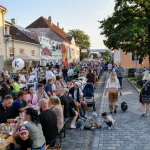
Street Food Thursday runs every Thursday evening from April through September, transforming Telliskivi’s courtyard into an outdoor food festival. Local vendors serve everything from Korean-Estonian fusion tacos to traditional Estonian soups with modern twists. The atmosphere becomes particularly magical on summer evenings when fairy lights illuminate the crowd and the aroma of grilled meats mixes with fresh herbs.
Peatus operates as both a bar and restaurant within Telliskivi’s creative complex. Their menu changes weekly based on whatever ingredients the chef finds interesting at local markets. This unpredictability means you might encounter anything from fermented shark to locally-foraged mushroom risotto.

Shoti brings authentic Georgian cuisine to Tallinn’s alternative food scene. Their khachapuri (cheese-filled bread boats) and khinkali (soup dumplings) provide hearty comfort food perfect for sharing. The casual setting encourages lingering over wine and conversation.
The Telliskivi Flea Market operates on weekends and includes several permanent food stalls alongside vintage clothing and antique vendors. The coffee stand run by local roastery Reval Café serves some of Tallinn’s best espresso, while nearby stalls offer fresh pastries and sandwiches.
Kadriorg and Pirita: Upscale Dining with Baltic Views
The elegant Kadriorg district and coastal Pirita offer Tallinn’s most sophisticated dining experiences, often paired with stunning views of the Baltic Sea or Kadriorg Palace gardens.
Restaurant Ö in Kadriorg has earned international recognition for chef Silver Lätt’s innovative approach to Estonian ingredients. The 12-course tasting menu might include dishes like fermented vegetables with sea buckthorn or Baltic herring with rye crisp and dill oil. The restaurant’s minimalist interior directs attention to the artistically plated dishes and view of Kadriorg Park.
Pirita Marina Restaurant provides the ultimate waterfront dining experience. Their seafood-focused menu takes advantage of the restaurant’s location at Tallinn’s premier marina. The catch-of-the-day selections vary based on what local fishermen bring in, but the preparation consistently showcases the Baltic’s bounty. Large windows offer unobstructed views of sailing boats and the coastline.
NOA Restaurant sits on Pirita beach and has become synonymous with special occasion dining. Chef Orm Oja’s menu reflects global influences while maintaining Estonian foundations. The restaurant’s glass-walled design maximizes views of Tallinn Bay, especially spectacular during sunset dinners. Reservations typically require booking weeks in advance.
In Kadriorg Palace’s vicinity, Kadrioru Park Café offers more casual dining within the baroque park setting. Their seasonal menu emphasizes light, garden-fresh dishes that complement an afternoon exploring the palace and surrounding museums.

Local Markets and Food Halls: Fresh Produce and Quick Bites
Tallinn’s markets and food halls provide insight into daily Estonian life while offering excellent eating opportunities. These venues showcase local producers and provide alternatives to traditional restaurant dining.
Balti Jaam Market operates in a beautifully restored 1870s railway station. The market combines fresh produce vendors with prepared food stalls and specialty shops. Local farmers sell seasonal vegetables, berries, and herbs, while food stalls offer everything from traditional Estonian pastries to modern fusion dishes. The aroma of fresh bread and roasting coffee creates an inviting atmosphere for food exploration.
Central Market near the harbor serves as Tallinn’s main produce market since Soviet times. Local vendors sell fresh Baltic fish, seasonal vegetables, and traditional Estonian dairy products. Several small eateries within the market serve hot meals at extremely reasonable prices—this is where construction workers and taxi drivers grab lunch.
The Rotermann Quarter Food Hall represents Tallinn’s modern approach to food retail. Upscale vendors offer artisanal products alongside casual dining options. The venue’s industrial-chic design creates an Instagram-worthy setting for sampling local cheeses, cured meats, and craft beer.
Budget-Friendly Eating: Where Locals Go for Affordable Meals
Tallinn offers numerous options for excellent food without premium prices. These establishments serve locals daily and provide authentic experiences away from tourist-focused venues.
Kohvik Must Puudel (Black Poodle Café) in Kalamaja serves generous portions at prices that appeal to students and young professionals. Their daily lunch specials rarely exceed €8, and the quality consistently surprises visitors expecting typical “cheap eats.” The cozy interior, filled with mismatched furniture and local art, creates a welcoming neighborhood atmosphere.

University students have kept Edgar near Tallinn University busy for decades. Their Estonian comfort food—think hearty soups, meat and potato dishes, and substantial salads—costs a fraction of Old Town restaurant prices. The cafeteria-style service moves quickly during lunch hours.
Reval Café locations throughout the city offer excellent coffee and light meals at reasonable prices. Their sandwiches, salads, and pastries compete with much more expensive options. The chain’s commitment to local sourcing means ingredients remain fresh and seasonal.
For the absolute budget experience, visit Supelsaksad soup kitchens that have evolved into casual restaurants. These establishments serve traditional Estonian soups, bread, and simple mains for under €6. While the atmosphere is basic, the food represents authentic home cooking.
Several Selver and Rimi grocery stores include café sections where locals grab quick, inexpensive meals. Hot food counters offer traditional dishes at very low prices, though don’t expect ambiance or table service.
Vegetarian and Vegan Options: Plant-Based Dining in Tallinn
Tallinn’s vegetarian and vegan scene has expanded dramatically since 2024, driven by both local demand and international visitors seeking plant-based options. Several dedicated vegetarian restaurants now operate alongside mainstream restaurants offering substantial plant-based menus.
V on Rataskaevu Street pioneered upscale vegetarian dining in Tallinn. Their creative menu transforms local vegetables, grains, and legumes into sophisticated dishes that satisfy even committed carnivores. The restaurant’s intimate setting in a medieval townhouse provides an unexpected backdrop for innovative plant-based cuisine.
Vege in the city center offers casual vegetarian dining with extensive vegan options. Their daily specials often feature traditional Estonian dishes adapted for plant-based diets—think mushroom and barley “meat”balls with lingonberry sauce. The self-service format keeps prices affordable while maintaining food quality.

Many mainstream Tallinn restaurants now offer dedicated vegan menus, reflecting the city’s evolving dietary preferences. Fotografiska’s restaurant includes several plant-based options in their regular menu, while F-hoone often features seasonal vegan dishes that highlight local vegetables.
Buddha Bar serves Asian-inspired vegetarian cuisine with many vegan options. Their Buddhist temple aesthetic creates a peaceful dining atmosphere, enhanced by the aroma of ginger and lemongrass from the open kitchen.
Health food stores like Mahe Market include cafés serving organic, largely plant-based prepared foods. These venues offer alternatives for visitors seeking lighter, health-conscious options during their Tallinn stay.
Late-Night Eats: After-Hours Food Scene
Tallinn’s nightlife district provides various options for post-midnight dining, ranging from traditional Estonian late-night fare to international options that cater to the city’s active bar scene.
Clazz serves food until 2 AM on weekends, making it a popular post-club destination. Their menu focuses on comfort food that pairs well with the venue’s extensive cocktail list. The jazz club atmosphere provides a sophisticated alternative to typical late-night dining.
Väike-Karja Baar operates as both a bar and late-night eatery. Their kitchen serves simplified versions of Estonian classics until the early morning hours. The intimate setting attracts a mix of locals and visitors seeking authentic late-night experiences.
Several 24-hour convenience stores throughout the city offer prepared foods, though quality varies significantly. Stores near the Old Town generally stock better options, including sandwiches, salads, and hot dishes suitable for late-night hunger.
McDonald’s and Hesburger locations provide familiar late-night options for visitors seeking quick, predictable meals. While hardly exciting, these chains serve their purpose during post-midnight food cravings.
The Viru Keskus shopping center includes several casual restaurants that stay open later than typical dining establishments, though most close by midnight. These provide compromise options between fast food and full restaurant dining.

Essential Practical Information
Estonian restaurant prices increased approximately 15% between 2024 and 2026, reflecting general inflation and the hospitality industry’s recovery from pandemic impacts. Budget dining costs under €15 per person, mid-range €15-35, upscale €35-65, and luxury dining €65+. Tipping remains optional—locals round up bills or add 5-10% for exceptional service.
High-end restaurants and popular weekend spots require reservations, especially during summer months. Most restaurants accept major credit cards, and contactless payment is widely available throughout the city as of 2026. Estonian wines offer good value at €18-35 per bottle in restaurants.
Traditional Estonian dishes to try include black bread, elk or wild boar, Baltic fish preparations, and blood sausage with lingonberry sauce. Most restaurants stop serving food by 10 PM on weekdays and 11 PM on weekends, with kitchens often closing earlier than stated times.
Explore more
Where to Find the Best Shopping in Tallinn: Markets, Malls, and Souvenirs
The Best Bars & Nightlife in Tallinn: Where to Go Out After Dark
Tallinn Travel Tips: Your Essential Guide for a Perfect Trip
📷 Featured image by Alexander Van Steenberge on Unsplash.