On this page
- Where Soviet History Meets Silicon Valley Dreams
- Tallinn’s Districts Decoded: From Cobblestones to Creative Quarters
- Medieval Towers and Digital Galleries: What You Can’t Miss
- Food Markets, Rooftop Restaurants, and Rye Bread Culture
- Navigating Tallinn: Trams, E-Scooters, and Medieval Streets
- Beyond the City Walls: Baltic Islands and Forest Adventures
- After Dark in Tallinn: From Jazz Cellars to Rooftop Cocktails
- Shopping Districts: Soviet-Era Markets to Designer Boutiques
- Accommodation Areas: Best Areas to Stay by Budget Tier
- Best Time to Visit: Seasons, Weather, and Cultural Events
- Practical Tips: Safety, Etiquette, and Local Customs
- Daily Budget Reality: What Tallinn Actually Costs in 2026
- Frequently Asked Questions
💰 Click here to see Estonia Budget Breakdown
💰 Prices updated: October, 2026. Budget figures are estimates — always verify before travel.
Exchange Rate: $1 USD = €0.88
Daily Budget (per person)
Shoestring: €40.00 – €70.00 ($45.45 – $79.55)
Mid-range: €120.00 – €250.00 ($136.36 – $284.09)
Comfortable: €300.00 – €900.00 ($340.91 – $1,022.73)
Accommodation (per night)
Hostel/guesthouse: €15.00 – €40.00 ($17.05 – $45.45)
Mid-range hotel: €60.00 – €150.00 ($68.18 – $170.45)
Food (per meal)
Budget meal: €15.00 ($17.05)
Mid-range meal: €35.00 ($39.77)
Upscale meal: €100.00 ($113.64)
Transport
Single metro/bus trip: €2.00 ($2.27)
Monthly transport pass: €30.00 ($34.09)
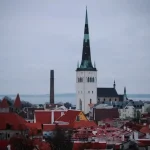
Tallinn in 2026 presents a fascinating paradox that catches many visitors off guard. While Instagram floods with pictures of the UNESCO-protected Old Town’s medieval towers, the real magic happens when you discover how seamlessly this 13th-century fortress city has evolved into Northern Europe’s most dynamic digital hub. The challenge isn’t finding things to do – it’s choosing between a morning exploring underground merchant tunnels and an afternoon in a startup café where former Skype engineers are building the next unicorn company.
Where Soviet History Meets Silicon Valley Dreams
Tallinn’s personality splits between two worlds that somehow coexist without conflict. The Old Town, enclosed by 13th-century walls, feels like stepping into a Hanseatic League time capsule. Cobblestone streets wind past merchant houses where amber traders once counted their fortunes, while church spires pierce the Baltic sky exactly as they did when knights ruled these lands.
Step beyond those medieval walls, and you enter a different reality entirely. The Telliskivi Creative City buzzes with converted Soviet factories housing design studios, craft breweries, and tech companies. Former industrial buildings now shelter Estonia’s booming startup scene – this tiny nation of 1.3 million people has produced more unicorn companies per capita than anywhere else in Europe.
This dual nature shapes every aspect of visiting Tallinn. You’ll sip craft beer in a 14th-century cellar bar, then pay with your phone using Estonia’s advanced digital infrastructure. Street musicians play medieval ballads on Raekoja plats (Town Hall Square) while entrepreneurs discuss blockchain technology at sidewalk cafés just blocks away.
The contrasts extend to the city’s neighborhoods. Kalamaja district perfectly embodies this split personality – colorful wooden houses from the early 1900s sit alongside glass-fronted galleries and design shops. Soviet-era apartment blocks in Lasnamäe have transformed into multicultural communities where Russian, Estonian, and English blend in corner shops and cafés.

What makes Tallinn special isn’t just preserving its medieval core – it’s how confidently the city embraces both its ancient roots and its digital future. Walking these streets, you’ll understand why Tallinn consistently ranks among Europe’s most livable cities while maintaining its fairy-tale charm.
Tallinn’s Districts Decoded: From Cobblestones to Creative Quarters
Understanding Tallinn’s neighborhoods helps you choose where to spend your time based on what kind of experience you’re seeking. Each district has developed its own distinct character, especially since the major urban regeneration projects completed between 2024-2026.
Vanalinn (Old Town)
The UNESCO World Heritage Old Town remains Tallinn’s crown jewel, but it’s evolved beyond a tourist museum. Yes, you’ll find medieval churches and guild halls, but you’ll also discover that locals actually live and work here. The upper town (Toompea) houses government buildings and offers the best city views, while the lower town contains most restaurants and shops. Summer evenings bring the scent of grilled meats from hidden courtyards, while winter transforms the narrow streets into a candlelit wonderland.
Best for: First-time visitors, history lovers, romantic getaways, luxury shopping
Kalamaja
This former fishing village has become Tallinn’s creative heart. Wooden houses painted in bold blues, greens, and yellows create Instagram-perfect streets, while former warehouses now house artist studios and independent boutiques. The weekly Balti Jaama Turg (Baltic Station Market) Saturday mornings fill with locals buying organic vegetables and artisanal bread. The aroma of sourdough and fresh herbs drifts from the covered market halls.
Best for: Design enthusiasts, young travelers, foodie experiences, weekend market browsing
Telliskivi Creative City
Once Estonia’s largest industrial complex, these converted Soviet factories now contain over 250 creative businesses. Photography studios occupy former machinery halls, while craft breweries operate in spaces that once manufactured textiles. The district comes alive during the monthly design markets when the courtyards fill with vintage furniture sellers and local designers showcasing handmade jewelry.

Best for: Startup culture, craft beer, contemporary art, unique shopping experiences
Kadriorg
Built around Peter the Great’s baroque palace, this upscale district combines parkland with embassy residences and high-end restaurants. Tree-lined paths lead past the presidential palace to sandy Pirita Beach. Summer brings the sound of tennis matches from exclusive clubs, while autumn fills the park with the crunch of golden leaves underfoot.
Best for: Luxury experiences, museum visits, peaceful walks, beach access
Rotermann Quarter
This former industrial area has transformed into Tallinn’s premier shopping and business district. Glass towers housing international company headquarters rise alongside carefully restored 19th-century brick buildings. The covered market hall serves as a food court featuring both traditional Estonian dishes and international cuisine.
Best for: Modern shopping, business travelers, contemporary architecture, upscale dining
Medieval Towers and Digital Galleries: What You Can’t Miss
Tallinn’s attractions span eight centuries, from medieval fortifications to cutting-edge digital art installations. The city’s compact size means you can experience both historical depth and contemporary innovation within walking distance.
Toompea Castle and Alexander Nevsky Cathedral
The pink baroque parliament building sits atop limestone cliffs that have hosted fortifications since the 10th century. The onion-domed Alexander Nevsky Cathedral dominates the skyline, its bronze bells echoing across the lower town during Sunday services. The viewing platform beside the cathedral offers sweeping views across orange tile roofs to the Baltic Sea.
Town Hall Square and Gothic Spires
Raekoja plats forms Tallinn’s beating heart, especially during the Christmas market season when the square glows with candlelight and fills with the scent of mulled wine and roasted almonds. The Gothic Town Hall houses a museum, while St. Olaf’s Church offers city views from its 124-meter spire – though the narrow medieval staircase requires good fitness levels.

City Walls and Defensive Towers
Tallinn’s medieval walls stretch for 1.9 kilometers, punctuated by 20 defensive towers. You can walk sections of the ramparts and climb towers like Fat Margaret, which now houses the Maritime Museum. The stone passages echo with footsteps as you follow the same paths medieval guards once patrolled.
Kumu Art Museum
Estonia’s premier art museum showcases both classical Baltic art and contemporary installations. The building itself, carved into a hillside in Kadriorg Park, won the European Museum of the Year award. Special exhibitions in 2026 focus on digital art pioneers and Estonian artists working with artificial intelligence.
Seaplane Harbour
This maritime museum occupies a massive hangar built for seaplanes in 1916. Full-scale ships, submarines, and aircraft create an interactive experience where you can board a 1930s submarine and explore a steam icebreaker. Children love the hands-on exhibits, while the café offers harbor views.
Estonian Open Air Museum
Located 15 minutes west of the city center, this 84-hectare park contains historical buildings from across Estonia. Traditional farmhouses, windmills, and a rural church create a living museum where costumed interpreters demonstrate 18th and 19th-century crafts. The forest setting comes alive with birdsong and the sound of traditional music during weekend demonstrations.
Telliskivi Creative City Galleries
The converted factory buildings house rotating exhibitions of contemporary art, design studios open to visitors, and experimental performance spaces. The PhotoMuseum showcases work by Baltic photographers, while the Design and Architecture Gallery features cutting-edge Estonian design.
Food Markets, Rooftop Restaurants, and Rye Bread Culture
Tallinn’s food scene has exploded beyond traditional Estonian cuisine, though the hearty local dishes remain central to the city’s culinary identity. The key is knowing where to find the best examples of each style.

Central Markets and Food Halls
Balti Jaama Turg, the Baltic Station Market, anchors Tallinn’s food scene with three distinct areas. The historical market building houses permanent vendors selling fresh produce, Estonian cheeses, and traditional rye breads with their distinctive dark crusts and earthy aroma. The weekend outdoor section buzzes with organic farmers selling seasonal vegetables and artisanal honey. The new covered food hall features international street food stalls alongside Estonian classics like blood sausage and sauerkraut.
Rotermann Quarter’s food hall offers a more upscale market experience. Estonian craft producers sell aged cheeses, smoked fish, and locally distilled spirits alongside international delicacies. The prepared food section serves everything from authentic pelmeni to modern Nordic cuisine.
Traditional Estonian Dining Areas
The Old Town contains the highest concentration of restaurants serving traditional Estonian cuisine. Look for establishments in medieval cellars where stone walls create intimate dining spaces. Typical dishes include roasted elk, juniper-smoked salmon, and hearty stews accompanied by dense rye bread. Many restaurants now offer modern interpretations of these classics using locally foraged ingredients.
Kalamaja district houses several family-run restaurants in converted wooden houses where the atmosphere feels more like dining in someone’s home. These spots often serve traditional recipes passed down through generations, accompanied by Estonian craft beers.
Contemporary Dining Districts
Kadriorg has emerged as Tallinn’s fine dining destination. High-end restaurants occupy renovated villas near the presidential palace, offering tasting menus that blend Estonian ingredients with international techniques. Many feature extensive wine lists focusing on natural wines from smaller European producers.
The Rotermann Quarter caters to business diners and modern food lovers with sleek restaurants serving contemporary European cuisine. Lunch spots here offer quick but high-quality meals for workers from the surrounding office towers.

Street Food and Casual Eating
Telliskivi Creative City hosts several food trucks and casual eateries operating from converted shipping containers. The variety ranges from Korean-Estonian fusion tacos to traditional Estonian pancakes filled with local berries. Weekend food festivals often take over the courtyards between factory buildings.
For quick meals, look for Estonian fast-food chains that serve local comfort foods like grilled sausages, potato salads, and hearty soups. These spots offer authentic local flavors at budget-friendly prices.
Craft Beverages
Estonian craft beer has gained international recognition, with several breweries operating in Telliskivi and Kalamaja. Many offer tours and tastings in converted industrial spaces where you can watch the brewing process. Local spirits include traditional vana tallinn (Old Tallinn) liqueur and newer craft distilleries producing gin flavored with Estonian botanicals like sea buckthorn and pine.
Navigating Tallinn: Trams, E-Scooters, and Medieval Streets
Getting around Tallinn combines modern convenience with medieval constraints. The compact city center makes walking the preferred option for most attractions, while efficient public transport connects outlying districts and the airport.
Public Transportation
Tallinn’s public transport system, expanded significantly in 2025-2026, includes buses, trams, and trolleybuses that reach every corner of the city. The modern tram lines connect major districts including Kalamaja, the Old Town, and the airport via a new express route opened in late 2025. A single ticket costs €2.00, while day passes cost €5.00 and cover all public transport.
The smart card system accepts contactless payment including international credit cards and mobile payments. Real-time arrival information appears at all stops, with announcements in Estonian, Russian, and English.
Airport Connections
Lennart Meri Tallinn Airport sits just 4 kilometers from the city center. The new Airport Express tram, launched in September 2025, provides direct connections to major districts in 15-20 minutes for €3.00. Traditional buses continue operating every 15-30 minutes for €2.00.

Taxis from the airport cost €10-15 to central locations, while ride-sharing apps like Bolt (founded in Tallinn) offer competitive rates. The taxi journey takes 10-20 minutes depending on traffic and destination.
Getting Around the Old Town
Cars are restricted in much of the Old Town, making walking the only practical option for exploring medieval streets. The cobblestones can be challenging for wheeled luggage and high heels, especially when wet. Many streets slope significantly as they follow the natural contours of Toompea Hill.
The Old Town is compact enough to cross in 15 minutes, though you’ll want to allow much more time to explore the side streets and courtyards. Several pedestrian-only zones create pleasant walking areas free from traffic.
Modern Transport Options
E-scooters from Bolt and other operators are widely available throughout central Tallinn. They work well for covering medium distances like traveling from the Old Town to Telliskivi or Kalamaja. Rates start at €1.00 plus €0.15 per minute.
Bike-sharing systems operate from spring through autumn, with stations throughout the city center and major districts. The mostly flat terrain and growing network of bike lanes make cycling practical for distances too far to walk comfortably.
Driving and Parking
Rental cars are unnecessary for exploring Tallinn itself but useful for day trips outside the city. Street parking in the center requires payment via mobile apps or parking meters, with rates of €1-3 per hour depending on the zone. Several multi-story car parks serve the Old Town and shopping districts.
Traffic moves slowly in the city center, especially during morning and evening rush hours. The medieval street layout creates bottlenecks that modern traffic struggles to navigate efficiently.
Beyond the City Walls: Baltic Islands and Forest Adventures
Tallinn’s location on the Baltic coast provides access to remarkable day trips that showcase Estonia’s natural beauty and cultural heritage. Most destinations are reachable within two hours, making them perfect for single-day excursions.
Naissaar Island – Baltic Fortification History
This former military island, closed to civilians for decades during Soviet times, opened for regular tourism in 2024. Ferry services from Tallinn’s passenger port run daily in summer (May-September) and weekends in shoulder seasons. The 90-minute journey crosses choppy Baltic waters to reach an island dotted with abandoned military installations and pristine beaches.
Guided tours explore Soviet submarine bases, gun emplacements, and a lighthouse dating to 1788. The island’s military museum displays artifacts from different occupying forces. Wild nature has reclaimed much of the island, creating habitats for rare Baltic seabirds and providing excellent hiking trails through pine forests.
Duration: Full day (8-9 hours including ferry time)
Cost: €45-55 including ferry and guided tour
Best time: June-August for warmest weather and all facilities open
Lahemaa National Park – Medieval Manors and Coastal Cliffs
Estonia’s largest national park preserves 747 square kilometers of forests, coastal landscapes, and cultural heritage. The park contains four restored manor houses, each representing different architectural periods and noble families. Palmse Manor, the most completely restored, features baroque gardens and a visitor center explaining Baltic German heritage.
The coastal trail from Altja to Käsmu passes fishing villages where nets still dry on wooden racks. Boulder fields left by ancient glaciers create dramatic shoreline scenery. Forest trails lead to Viru Bog, where a 3.5-kilometer boardwalk crosses wetlands inhabited by cranes, elk, and lynx.

Transportation: Rental car recommended, or organized day tours from Tallinn
Duration: Full day
Best time: September-October for autumn colors, May-July for wildflowers
Soomaa National Park – Wilderness and Flooding Seasons
Known as Estonia’s “Land of Bogs,” Soomaa offers wilderness experiences rare in densely populated Europe. Five large bogs contain ecosystems unchanged for millennia. Guided canoe trips navigate flooded forests during spring’s “fifth season” when melting snow transforms the landscape.
Summer visitors can explore bog trails on elevated boardwalks, learning about unique plants like sundews and bog cotton. The park’s silence strikes visitors accustomed to urban noise – only birdsong, wind in pine trees, and the distant call of cranes break the quiet.
Traditional activities include bog-shoe hiking in winter and berry picking in late summer. Local guides demonstrate traditional fishing and foraging techniques still used by rural communities.
Duration: Full day with early start
Transportation: Rental car essential
Best time: April-May for flooding season, July-September for hiking
Tartu – University Town and Cultural Capital
Estonia’s second city offers a completely different atmosphere from coastal Tallinn. The prestigious University of Tartu, founded in 1632, gives the city a youthful energy. Historic buildings house museums, galleries, and student pubs around the sloping Town Hall Square.
The Estonian National Museum, opened in 2016, presents comprehensive exhibitions about Baltic peoples and cultures. Interactive displays and traditional costumes tell stories spanning centuries. The building itself, designed by international architects, creates striking contemporary architecture.
Student districts contain casual restaurants, craft breweries, and independent bookshops. The riverside parks provide peaceful walking areas away from university crowds.
Transportation: Hourly buses from Tallinn (2.5 hours), or express train (2 hours)
Duration: Full day or overnight stay
Best time: September-November when students return, creating the liveliest atmosphere

Paldiski and Keila-Joa Waterfall
This combined trip covers two distinct attractions within reach of public transport. Paldiski, a former Soviet naval base, now operates as Estonia’s second-largest port. The dramatic limestone cliffs and abandoned military installations create an apocalyptic landscape popular with photographers.
Keila-Joa waterfall, Estonia’s second-highest natural waterfall, drops 6 meters over limestone cliffs formed by ancient seas. The surrounding park contains walking trails and a restored 19th-century palace now serving as a hotel and restaurant.
Transportation: Regional buses from Tallinn
Duration: Half day to full day depending on exploration time
Best time: Spring for maximum waterfall flow, any season for coastal scenery
After Dark in Tallinn: From Jazz Cellars to Rooftop Cocktails
Tallinn’s nightlife reflects the same medieval-meets-modern character found throughout the city. Ancient cellars house intimate jazz clubs while rooftop bars overlook Baltic sunsets that stretch until nearly midnight during white nights season.
Old Town Evening Scene
Medieval cellars create unique drinking environments found nowhere else in Northern Europe. Stone vaulted ceilings and candlelit tables make every bar feel like a secret hideaway. Several establishments occupy buildings dating to the 14th century, where merchants once stored goods traded across the Baltic.
Wine bars specialize in natural wines and Baltic craft spirits, often featuring live acoustic music on weekends. Traditional beer cellars serve Estonian craft brews alongside hearty snacks like smoked fish and local cheeses. The atmosphere remains sophisticated rather than rowdy, attracting locals and tourists seeking intimate conversations.
Summer brings outdoor terraces to hidden courtyards where string lights create magical ambiance. Many bars extend their hours during white nights season when darkness never fully arrives.
Telliskivi and Kalamaja Bar Districts
The creative districts house Tallinn’s most innovative bars and clubs. Former factory spaces provide room for dance floors, live music stages, and experimental cocktail programs. Industrial décor combines exposed brick walls with contemporary art installations.

Craft breweries often double as bars, offering tastings of small-batch beers alongside food trucks parked in courtyards. Weekend markets in Telliskivi continue into evening hours with pop-up bars and DJ sets creating festival-like atmospheres.
These areas attract younger crowds and creative professionals. The vibe leans casual and experimental rather than formal or pretentious.
Rooftop Bars and Baltic Views
Several hotels and restaurants have added rooftop terraces taking advantage of Tallinn’s seaside setting and relatively low skyline. These elevated spaces offer panoramic views across medieval towers to the Baltic Sea, especially dramatic during sunset hours.
Cocktail programs emphasize local ingredients like sea buckthorn, pine, and Estonian spirits. Many rooftops feature heating systems and blankets allowing year-round operation despite the northern climate.
Dress codes tend toward smart casual, with reservations recommended for weekend evenings and summer months when demand peaks.
Live Music Venues
Tallinn supports a vibrant live music scene spanning genres from traditional folk to electronic experimentation. The Estonian Academy of Music produces talented performers who often play local venues before pursuing international careers.
Jazz clubs occupy atmospheric cellar spaces where intimate settings allow close interaction between musicians and audiences. Folk music venues sometimes feature traditional Estonian songs alongside contemporary interpretations.
Electronic music finds homes in converted industrial spaces with powerful sound systems and late closing times. International DJs regularly perform alongside local electronic music producers.
Cultural Evening Events
Theaters present performances in Estonian and Russian, with some venues offering English subtitles or international productions. The Estonian National Opera stages both classical works and contemporary pieces in a beautifully restored 19th-century building.
Art galleries often host evening openings with wine receptions, providing opportunities to meet local artists and collectors. Many exhibitions feature works by Estonian artists gaining international recognition.
Cinema offerings include both Hollywood blockbusters and European art films, usually shown with Estonian subtitles rather than dubbing.
Seasonal Nightlife Variations
Summer’s white nights create unique opportunities for evening activities. Outdoor concerts and festivals take advantage of extended daylight, with events continuing until dawn without artificial lighting.
Winter brings Christmas markets and ice bars, while cozy indoor venues become more appealing during the darkest months. Many establishments offer special winter warming drinks featuring local spirits and spices.
Spring and autumn provide comfortable temperatures for rooftop bars and outdoor terraces without the intense tourist crowds of peak summer season.
Shopping Districts: Soviet-Era Markets to Designer Boutiques
Tallinn’s shopping landscape spans from traditional markets selling handcrafted goods to contemporary design boutiques showcasing Estonian creativity. The compact city center concentrates diverse shopping experiences within walking distance.
Old Town Shopping Streets
Viru Street forms the Old Town’s main shopping thoroughfare, lined with international chains alongside local boutiques. Medieval guild halls now house upscale shops selling Estonian design, amber jewelry, and traditional crafts. Prices reflect the tourist location, but quality tends to be high.
Side streets contain smaller shops specializing in handmade goods, vintage items, and local artisan products. Several shops occupy medieval cellars where stone walls create atmospheric shopping experiences. Look for traditional Estonian textiles, hand-knitted woolens, and locally designed ceramics.
Galleries along these streets sell works by contemporary Estonian artists, including paintings, sculptures, and photography. Many pieces incorporate traditional Baltic themes with modern artistic techniques.
Rotermann Quarter Modern Retail
This redeveloped district houses Tallinn’s premier shopping center alongside individual boutiques in restored 19th-century buildings. International fashion brands occupy modern retail spaces, while local designers showcase collections in smaller galleries.
The T1 Mall of Tallinn contains over 170 shops across multiple levels, including fashion, electronics, and specialty stores. A large grocery store and food court serve both tourists and local residents.
Standalone boutiques in the quarter focus on contemporary Estonian design, featuring clothing, accessories, and home goods created by local designers. Prices range from moderate to high-end depending on the brand and exclusivity.
Telliskivi Creative Shopping
The converted factory buildings house the city’s most unique shopping experiences. Design studios often sell directly to customers, allowing conversations with creators about their work. Products range from handcrafted furniture to experimental fashion pieces.
Weekend markets take over courtyards and former production halls, featuring vintage clothing, handmade crafts, and unique finds from local collectors. The atmosphere combines shopping with cultural events and food vendors.
Several shops specialize in upcycled and sustainable goods, reflecting Estonia’s growing environmental consciousness. Vintage Soviet-era items attract collectors and tourists seeking authentic memorabilia.
Kalamaja Independent Shops
This residential district contains independent boutiques housed in colorful wooden buildings. Shops tend to be small and specialized, often run by their owners who can provide personal recommendations and stories behind products.
Vintage stores offer carefully curated selections of clothing and accessories from different eras. Design shops showcase works by emerging Estonian creators alongside established names.
Several shops focus on locally produced food items, including artisanal chocolates, craft spirits, and traditional baked goods. These make excellent souvenirs that capture authentic Estonian flavors.
Traditional Markets and Food Shopping
Balti Jaama Turg remains the best destination for traditional Estonian products and fresh foods. Vendors sell seasonal produce, local honey, smoked fish, and traditional rye breads. Prices are lower than tourist shops, and quality often exceeds commercial alternatives.
The covered market building contains permanent stalls selling crafts, textiles, and traditional items alongside fresh food vendors. Outdoor sections operate seasonally with additional produce and craft vendors.
Smaller neighborhood markets in districts like Kalamaja offer more intimate shopping experiences with vendors who often speak multiple languages and enjoy sharing stories about their products.
Estonian Design and Crafts
Estonian designers have gained international recognition for minimalist aesthetics and high-quality craftsmanship. Several shops specialize in contemporary Estonian design, featuring furniture, lighting, textiles, and accessories.
Traditional crafts remain important, with shops selling hand-knitted items, woven textiles, and carved wooden objects. Many pieces use techniques passed down through generations while incorporating contemporary design elements.
Jewelry stores often feature amber, the Baltic region’s traditional gemstone, worked into both classical and modern designs. Local silversmiths create unique pieces inspired by Estonian history and natural landscapes.
Accommodation Areas: Best Areas to Stay by Budget Tier
Choosing where to stay in Tallinn depends on your budget, preferred atmosphere, and planned activities. Each district offers different advantages, from medieval charm to modern convenience.
Luxury Accommodations (€150-400+ per night)
The Old Town contains Tallinn’s most prestigious hotels, often occupying restored medieval buildings or elegant 19th-century mansions. These properties offer unique character with modern amenities, including spas, fine dining restaurants, and concierge services.
Kadriorg district houses boutique hotels in former embassy buildings and restored villas near the presidential palace. These properties provide quiet luxury with easy access to parks, beaches, and cultural sites. Many feature extensive gardens and high-end restaurants.
Several international luxury chains operate in the city center and business districts, offering familiar standards with Estonian touches. These hotels typically feature comprehensive business facilities, fitness centers, and executive lounges.
Luxury properties often include services like airport transfers, guided tours, and restaurant reservations. Some offer unique experiences such as private Old Town walking tours or traditional Estonian cooking classes.
Mid-Range Options (€60-150 per night)
Rotermann Quarter and areas near the Old Town provide excellent mid-range accommodations in modern buildings with stylish design. These hotels balance convenience with value, offering comfortable rooms and good locations without luxury price tags.
Converted buildings in Telliskivi and Kalamaja house boutique properties with artistic flair. These accommodations appeal to travelers interested in contemporary culture and design. Many feature locally sourced breakfast options and artistic décor.
Business hotels throughout the city center cater to both leisure and corporate travelers with reliable amenities, fitness facilities, and meeting spaces. These properties often offer competitive rates during weekends when business demand decreases.
Several mid-range hotels occupy restored historical buildings, providing character without luxury costs. These properties balance period features with modern comfort and convenience.
Budget Accommodations (€20-60 per night)
Hostels throughout central Tallinn offer clean, safe accommodations with shared facilities. Many occupy interesting buildings like former schools or converted apartments. Private rooms in hostels provide budget-conscious travelers with more privacy than dormitory accommodation.
Guesthouses in residential areas offer intimate accommodations often run by local families. These properties provide insights into Estonian daily life along with comfortable rooms at reasonable prices.
Apartment rentals through platforms like Airbnb allow budget travelers to experience different neighborhoods while having kitchen facilities for preparing meals. Options range from studios in converted Soviet buildings to rooms in traditional wooden houses.
Several budget hotels operate in areas slightly outside the immediate city center but with good public transport connections. These properties offer basic but comfortable accommodations with private bathrooms and simple breakfast options.
Unique Accommodation Experiences
Converted monastery buildings and former guild halls provide accommodation experiences unavailable elsewhere. These properties combine historical significance with modern comfort, often featuring original architectural details like vaulted ceilings or medieval stonework.
Design hotels showcase contemporary Estonian architecture and interior design. These properties appeal to travelers interested in cutting-edge design and contemporary art, often featuring works by local artists.
Rural properties within day-trip distance of Tallinn offer peaceful retreats in traditional Estonian settings. Manor houses, farm stays, and forest lodges provide connections to Estonia’s natural landscapes and rural traditions.
Booking Considerations
Summer months (June-August) see peak demand and highest prices, especially during festival periods. Booking well in advance ensures better availability and rates during these popular times.
Shoulder seasons (April-May, September-October) offer good weather with lower accommodation costs and smaller crowds. Many properties offer promotional rates during these periods.
Winter stays can provide excellent value, particularly in luxury properties that reduce rates during the coldest months. Christmas market season (December) sees increased demand and higher prices despite winter weather.
Best Time to Visit: Seasons, Weather, and Cultural Events
Tallinn’s Baltic location creates distinct seasonal experiences, each offering different advantages for visitors. Understanding seasonal variations helps optimize your visit for weather, activities, and cultural events.
Summer (June-August): White Nights and Festival Season
Summer brings Tallinn’s most comfortable weather with temperatures averaging 20-25°C during the day and rarely dropping below 15°C at night. The famous white nights phenomenon provides daylight until nearly 11 PM in midsummer, creating extended opportunities for sightseeing and outdoor activities.
This season sees the highest tourist numbers and accommodation prices, but also the most extensive cultural programming. The Medieval Days festival in July transforms the Old Town into a living historical reenactment with period costumes, traditional crafts, and authentic food. Street musicians and performers fill squares and courtyards throughout summer months.
Beach weather arrives at Pirita and other coastal areas, though Baltic Sea temperatures remain cool (16-20°C). Outdoor café terraces operate at full capacity, and rooftop bars extend their hours to take advantage of extended daylight.
Rain occurs regularly but usually in brief showers rather than extended periods. Pack light rain gear but don’t expect weather to significantly impact sightseeing plans.
Spring (April-May): Awakening City and Moderate Crowds
Spring brings mild temperatures (10-18°C) and the excitement of a city awakening from winter hibernation. Trees throughout Kadriorg Park and other green spaces burst into bloom, while outdoor café terraces reopen after winter closures.
This period offers excellent value with moderate accommodation prices and fewer crowds at major attractions. Many cultural venues launch new exhibitions and performance seasons as the city prepares for summer tourist influx.
Weather can be variable with occasional cool days and rain showers, but generally pleasant for walking and outdoor exploration. Pack layers to adapt to changing conditions throughout the day.
The Tallinn Music Week festival in late April/early May showcases emerging Baltic musicians alongside international acts, attracting music lovers from across Northern Europe.
Autumn (September-October): Golden Colors and Comfortable Weather
Early autumn provides some of Tallinn’s most beautiful weather with crisp, clear days averaging 15-20°C in September and 8-15°C in October. Forest areas around the city and parks within districts like Kadriorg display spectacular autumn colors.
Tourist crowds decrease significantly after summer peak, creating more relaxed sightseeing conditions and better restaurant availability. Accommodation prices drop while weather remains comfortable for walking and outdoor activities.
Cultural institutions launch new seasons with fresh exhibitions and performance schedules. The Black Nights Film Festival in November attracts international filmmakers and cinema enthusiasts to venues throughout the city.
October brings more frequent rain and earlier darkness, but comfortable temperatures continue through the first half of the month. November marks the transition toward winter with shorter days and cooler temperatures.
Winter (December-March): Christmas Markets and Snow-Covered Charm
Winter transforms Tallinn into a fairy-tale setting with snow-covered medieval towers and candlelit streets. Temperatures typically range from -5°C to 5°C, cold enough for snow but not excessively harsh for visitors accustomed to winter weather.
The Christmas market on Town Hall Square creates one of Northern Europe’s most atmospheric holiday celebrations. Traditional crafts, warming foods, and mulled wine fill wooden stalls beneath medieval spires. The scent of roasted nuts and gingerbread drifts through narrow cobblestone streets.
Indoor cultural activities peak during winter months. Museums, galleries, theaters, and concert halls offer extensive programming while cozy restaurants and bars provide warming refuges between sightseeing.
Accommodation rates reach their lowest levels outside the Christmas market period. Many luxury properties offer significant discounts and special packages during the coldest months.
Daylight hours shrink dramatically, with only 6-7 hours of daylight in December and January. However, snow and artificial lighting create magical evening atmospheres throughout the Old Town.
Festival and Event Timing
Plan visits around major cultural events to experience Tallinn at its most vibrant. The Medieval Days festival (July) offers unique historical experiences, while Tallinn Music Week (April/May) showcases contemporary Baltic culture.
The White Nights festival in June celebrates the summer solstice with outdoor concerts and cultural events taking advantage of extended daylight hours. Christmas markets operate from late November through early January, creating winter wonderland atmospheres.
Avoid major Estonian holidays like Midsummer (June 23-24) when many businesses close and locals celebrate traditional festivals outside the city. Independence Day (February 24) brings patriotic celebrations but may affect some tourist services.
Practical Tips: Safety, Etiquette, and Local Customs
Tallinn ranks among Europe’s safest capitals, but understanding local customs and practical considerations enhances your visit while showing respect for Estonian culture.
Safety and Security
Violent crime against tourists is extremely rare in Tallinn. The most common issues involve pickpocketing in crowded tourist areas and occasional drink spiking in bars catering to international visitors. Standard urban precautions suffice for most situations.
The Old Town’s cobblestone streets can become slippery when wet, especially during winter when ice forms in shaded areas. Wear appropriate footwear with good grip, particularly if exploring during colder months.
Emergency services respond quickly and efficiently. The European emergency number 112 connects to police, medical, and fire services with operators speaking Estonian, Russian, and English. Medical facilities meet Western European standards with several private clinics serving international patients.
Tap water throughout Tallinn meets EU standards and tastes good. Restaurants typically serve it free upon request, though many establishments prefer to sell bottled water.
Language and Communication
Estonian serves as the primary language, but Russian remains widely spoken due to the significant Russian-speaking minority (about 30% of Tallinn residents). English proficiency varies significantly by age group and profession.
Younger Estonians, particularly those working in tourism, hospitality, and tech sectors, generally speak excellent English. Older generations may have limited English but often communicate in Russian or German. Learning basic Estonian phrases like “tere” (hello) and “aitäh” (thank you) demonstrates cultural respect.
Restaurant menus, museum information, and tourist signage appear in Estonian, Russian, and English. Public transport announcements include all three languages in central areas.
Finns visiting Tallinn can often understand basic Estonian due to linguistic similarities, though conversations require patience from both parties.
Cultural Etiquette and Social Norms
Estonians tend toward reserved social interactions, especially with strangers. This shouldn’t be interpreted as unfriendliness – personal space and privacy are highly valued cultural traits. Small talk with service workers is less common than in some other European countries.
Punctuality matters significantly in both social and business contexts. Arriving late to restaurant reservations or scheduled tours shows disrespect and may result in lost bookings or additional charges.
Tipping practices follow Northern European norms. Restaurant bills don’t automatically include service charges, so 10% tips are appreciated for good service. Taxi drivers expect small tips (round up to nearest euro), while hotel staff appreciate €1-2 for helpful service.
Dress codes lean toward the conservative side, especially when visiting churches or upscale restaurants. Casual clothing works for most tourist activities, but avoid extremely casual attire (beach wear, athletic clothing) in Old Town restaurants or cultural venues.
Technology and Digital Services
Estonia’s advanced digital infrastructure provides excellent internet connectivity throughout Tallinn. Free Wi-Fi operates in most public spaces including parks, squares, and public transport. Most accommodations and restaurants offer reliable internet access.
Mobile coverage reaches excellent standards with 5G networks operational throughout the city center and most residential areas. EU visitors can use their regular mobile plans without additional roaming charges. Non-EU visitors can purchase local SIM cards at the airport, electronics stores, or mobile operator shops.
Contactless payment acceptance approaches universal levels in Tallinn. Credit and debit cards work everywhere, including small vendors and public transport. Some traditional markets and very small establishments still prefer cash, but this is increasingly rare.
Estonia’s e-Residency program allows digital access to various government and business services, though most tourists won’t need these functions during short visits.
Shopping and Business Hours
Most shops open Monday through Saturday from 10:00-19:00, with reduced Sunday hours (12:00-18:00) in tourist areas. Large shopping centers extend hours until 21:00 or 22:00. Traditional markets operate earlier hours, often opening at 7:00 or 8:00 AM.
Restaurants typically serve lunch from 12:00-15:00 and dinner from 18:00-22:00, though many establishments offer all-day menus. Kitchen closing times vary, with some restaurants stopping food service 30-60 minutes before official closing.
Banks operate Monday through Friday 9:00-17:00, though ATMs provide 24-hour access. Currency exchange services operate at banks, hotels, and specialized exchange offices with competitive rates.
Estonian public holidays may affect business hours and tourist services. Most shops and many restaurants close on major holidays including New Year’s Day, Independence Day (February 24), and Christmas Day.
Daily Budget Reality: What Tallinn Actually Costs in 2026
Understanding realistic costs helps plan your Tallinn visit effectively. Prices reflect the 2026 economic situation following Estonia’s continued integration with European markets and the post-pandemic tourism recovery.
Budget Travel (€35-55 per day)
Budget travelers can explore Tallinn comfortably by staying in hostels, eating at local establishments, and using public transport. Hostel dormitory beds cost €15-25 per night in central locations, while private hostel rooms range €35-45 nightly.
Food costs stay manageable by shopping at grocery stores and eating at casual local restaurants. Breakfast from bakeries costs €3-5, while hearty lunch specials at local cafés range €8-12. Simple dinner meals at traditional Estonian restaurants cost €12-18 including drink.
Public transport day passes (€5) provide unlimited travel throughout the city. Most major attractions charge €5-8 admission, while walking tours and self-guided exploration cost nothing beyond tip money.
Sample daily breakdown:
- Accommodation: €20 (hostel bed)
- Meals: €25 (breakfast €4, lunch €10, dinner €15)
- Transport: €5 (day pass)
- Attractions: €8 (one paid attraction)
- Miscellaneous: €5
Mid-Range Comfort (€80-140 per day)
Mid-range travelers enjoy private accommodations, restaurant meals, and occasional taxi rides while maintaining reasonable costs. Three-star hotels or nice guesthouses cost €60-90 per night for double occupancy, while quality apartment rentals range €70-100 nightly.
Restaurant meals at recommended establishments cost €15-25 for lunch and €25-40 for dinner including wine or beer. Café breakfast with coffee costs €8-12, while occasional splurges on high-end dining fit within budget constraints.
Transportation combines public transport with occasional taxis for convenience. Day trips outside Tallinn using organized tours cost €45-65 including transportation and guide services.
Sample daily breakdown:
- Accommodation: €40 (half of double room)
- Meals: €50 (restaurant breakfast €12, lunch €18, dinner €30)
- Transport: €15 (public transport plus occasional taxi)
- Attractions: €15 (multiple attractions and tours)
- Miscellaneous: €15
Luxury Experience (€200-400+ per day)
Luxury travelers enjoy premium accommodations, fine dining, private tours, and convenient transportation. Five-star hotels in prime Old Town locations cost €150-300 per night, while luxury boutique properties range €200-400 depending on season and amenities.
Fine dining restaurants charge €40-80 per person for dinner with wine pairings. Luxury hotels offer extensive breakfast buffets (€25-35), while tasting menus at top restaurants cost €60-120 per person.
Private guides, luxury car services, and helicopter tours provide exclusive experiences. Spa treatments, premium shopping, and cultural experiences add to daily costs but create memorable experiences.
Sample daily breakdown:
- Accommodation: €175 (luxury hotel)
- Meals: €120 (hotel breakfast €30, fine lunch €35, luxury dinner €80)
- Transport: €40 (taxis and private transfers)
- Attractions: €60 (private tours and premium experiences)
- Miscellaneous: €50 (shopping, spa, premium drinks)
Specific Item Costs
Understanding individual prices helps budget planning and daily decisions:
- Coffee: €2-4 at cafés, €1.50 from vending machines
- Local beer (0.5L): €3-6 in restaurants, €1-2 from shops
- Traditional lunch: €8-15 at local restaurants
- Museum admission: €5-12 for major attractions
- Taxi within center: €5-12 for typical journeys
- Souvenir t-shirt: €15-25 in tourist areas
- Bottle of water: €1-2 in shops, €3-4 in restaurants
- Ice cream: €2-4 from vendors
- Public toilet: €0.50 in some locations, free in many places
Money-Saving Strategies
Several approaches help reduce costs without sacrificing experience quality. Many museums offer free admission on certain days or reduced evening rates. Walking tours operate on tip-basis pricing, allowing budget-conscious travelers to enjoy guided experiences.
Grocery shopping at local supermarkets costs significantly less than restaurant meals. Many accommodations provide kitchen facilities allowing meal preparation with local ingredients from markets.
Shoulder season visits (April-May, September-October) offer reduced accommodation rates while maintaining good weather and full attraction availability. Advance booking often provides better prices than last-minute arrangements.
Frequently Asked Questions
Do I need a visa to visit Tallinn?
EU citizens need only a valid ID card or passport for entry. US, Canadian, Australian, and UK citizens can visit Estonia visa-free for up to 90 days within a 180-day period using a valid passport. Other nationalities should check current visa requirements before traveling.
Is English widely spoken in Tallinn?
English proficiency is excellent among younger Estonians and tourism industry workers. Most restaurants, hotels, and attractions provide English-language services. Older residents may speak limited English but often communicate in Russian or German instead.
What’s the best way to get from Tallinn airport to the city center?
The new Airport Express tram, launched in 2025, provides direct connections to major districts in 15-20 minutes for €3. Traditional buses continue operating every 15-30 minutes for €2. Taxis cost €10-15 and take 10-20 minutes depending on traffic.
Can I use euros in Tallinn?
Yes, Estonia uses the euro as its official currency since 2011. Credit and debit cards are widely accepted, including contactless payments. ATMs are readily available throughout the city for cash withdrawal if needed.
How many days do I need to see Tallinn properly?
Two to three days allow thorough exploration of the Old Town, main attractions, and one district like Kalamaja or Telliskivi. Four to five days enable day trips to places like Lahemaa National Park or Tartu while experiencing Tallinn’s cultural scene more deeply.
Explore more
The Ultimate Tallinn Food Guide: Where to Eat & Drink
Tallinn Public Transport: Your Ultimate Guide to Getting Around
The Ultimate Guide to Tallinn Nightlife: Where to Party Until Dawn
Tallinn in Winter: A Magical Guide to Christmas Markets & Snowy Adventures
Getting Around Tallinn: Public Transport, Taxis & Walking Tips
From Airport to City Center: Your Guide to Tallinn Airport Transfers
Tallinn Nightlife Guide: Best Bars, Clubs & Entertainment Spots
Best Time to Visit Tallinn: Weather, Crowds & Events Through the Seasons
Tallinn with Kids: Family-Friendly Activities & Attractions
Is Tallinn Safe for Tourists? Essential Safety Tips for Your Trip
📷 Featured image by Kevin Lehtla on Unsplash.