On this page
- The Intellectual Heart of Estonia
- Navigating Tartu’s Districts
- Must-See Attractions and Cultural Sites
- Tartu’s Food Scene
- Getting Around Tartu
- Day Trips from Tartu
- After Dark in Estonia’s Student Capital
- Shopping in Tartu
- Where to Stay in Tartu
- When to Visit Tartu
- Practical Tartu Tips
- Budget Planning for Tartu
- Frequently Asked Questions
💰 Click here to see Estonia Budget Breakdown
💰 Prices updated: October, 2026. Budget figures are estimates — always verify before travel.
Exchange Rate: $1 USD = €0.88
Daily Budget (per person)
Shoestring: €40.00 – €70.00 ($45.45 – $79.55)
Mid-range: €120.00 – €250.00 ($136.36 – $284.09)
Comfortable: €300.00 – €900.00 ($340.91 – $1,022.73)
Accommodation (per night)
Hostel/guesthouse: €15.00 – €40.00 ($17.05 – $45.45)
Mid-range hotel: €60.00 – €150.00 ($68.18 – $170.45)
Food (per meal)
Budget meal: €15.00 ($17.05)
Mid-range meal: €35.00 ($39.77)
Upscale meal: €100.00 ($113.64)
Transport
Single metro/bus trip: €2.00 ($2.27)
Monthly transport pass: €30.00 ($34.09)
Tartu strikes many first-time visitors as unexpectedly vibrant for a city of just 97,000 people. Walk down Ülikooli Street on any Tuesday evening and you’ll understand why — students spill from candlelit pubs, professors debate over craft beer, and the scent of fresh pastries drifts from 24-hour bakeries. In 2026, Estonia’s second city continues redefining what a university town can be, blending 800 years of academic tradition with a thriving startup scene and cultural renaissance that rivals capitals twice its size.
The Intellectual Heart of Estonia
Tartu earned its reputation as Estonia’s intellectual capital through the University of Tartu, founded in 1632 and consistently ranked among Northern Europe’s top research institutions. The university doesn’t just exist in Tartu — it shapes every corner of the city’s personality. Students comprise nearly 20% of the population, creating an energy that pulses through medieval streets and modern districts alike.
The city’s intellectual heritage runs deeper than academia. Tartu birthed Estonia’s national awakening in the 19th century, when Estonian-language literature and cultural identity first flourished here. Today, that creative spirit manifests in cutting-edge biotechnology firms, innovative design studios, and a literary scene that produces more published authors per capita than any other Estonian city.
What sets Tartu apart from other university towns is its intimate scale. You can walk from the historic Toome Hill to the trendy Supilinn district in 15 minutes, yet encounter centuries of Estonian culture along the way. The compact geography means random encounters — chatting with a Nobel Prize winner at a corner café or stumbling upon an impromptu poetry reading in a medieval cellar.
The warm scent of cinnamon and cardamom from Werner Café mingles with the crisp autumn air as you stroll down Rüütli Street, where 18th-century merchants’ houses now shelter contemporary art galleries and organic wine bars. This sensory blend — old Estonia meeting new innovation — captures Tartu’s essential character better than any guidebook description.
Navigating Tartu’s Districts
Tartu organizes itself into distinct neighborhoods, each with a clear personality shaped by history, demographics, and urban planning. Understanding these areas helps you choose where to base yourself and what to explore.
Old Town (Vanalinn)
The medieval heart beats strongest around Town Hall Square, where cobblestone streets radiate outward like spokes on a wheel. Rüütli Street serves as the main shopping artery, lined with 18th-century merchants’ houses converted into boutiques, cafés, and art galleries. The architecture tells Tartu’s story — Estonian wooden buildings stand beside German Gothic structures and Soviet-era apartments, creating a timeline you can walk through.
This area suits visitors who want everything within walking distance. Hotels here put you steps from major museums, the best restaurants, and the university’s main buildings. The downside? Tourist crowds peak in summer, and accommodation prices reflect the prime location.
Toome Hill (Toomemägi)
Rising above the Old Town, this park-covered hill houses the University of Tartu’s main campus and ruins of Tartu Cathedral. Tree-lined paths wind past academic buildings where Estonia’s intellectual elite studied for centuries. The hill offers the city’s best views and most romantic walking routes.
Students and young professionals gravitate here for the proximity to university facilities and the quiet, green environment. Several guesthouses occupy restored professors’ villas, offering character-filled accommodation slightly removed from downtown bustle.
Supilinn
The “Soup District” earned its nickname from streets named after soup ingredients — Kartuli (Potato), Kastani (Chestnut), and Krüsedemi (Cream). This wooden house neighborhood developed in the 19th century for working-class families but now attracts artists, young families, and creative professionals.

Supilinn embodies Tartu’s bohemian spirit. Colorful wooden houses shelter art studios, alternative cafés, and music venues. The district feels residential rather than touristy — locals hang laundry in shared courtyards and children play on quiet streets. Several boutique guesthouses offer authentic neighborhood experiences.
Karlova
This suburban district stretches south from the Emajõgi River, mixing Soviet-era apartment blocks with newer developments. Karlova appeals to budget-conscious visitors and those seeking authentic local life away from tourist areas. The Estonian National Museum anchors the district, while several affordable hotels cater to practical travelers.
Tähtvere
Modern Tartu expands northward into Tähtvere, where tech companies, shopping centers, and new residential complexes create a different urban landscape. This area suits business travelers and families who prioritize modern amenities over historic charm.
Must-See Attractions and Cultural Sites
Tartu’s attractions reflect its dual role as Estonia’s oldest university town and cultural birthplace. Most sites cluster within walking distance, making comprehensive exploration possible even on a short visit.
University of Tartu Main Building
The neoclassical main building on Ülikooli Street represents Estonia’s academic heart. Built in 1809, it houses the university’s assembly hall, art museum, and historic prison cells where unruly students once served detention. The art museum displays Baltic German and Estonian masterpieces in elegant period rooms.
Free guided tours run twice daily during the academic year, led by English-speaking students who share campus traditions and legends. The 45-minute tour includes normally restricted areas like the 19th-century assembly hall and rooftop observatory.
Tartu Cathedral and University Museum
The Gothic cathedral ruins on Toome Hill serve as Tartu’s most recognizable landmark. Built in the 13th century and partially destroyed during wars, the remaining structure houses the University Museum. Climb the medieval tower for panoramic views across red tile roofs to the Estonian countryside.

The museum chronicles 800 years of academic tradition through interactive exhibits. Highlights include ancient scientific instruments, student organization artifacts, and the original 1632 university charter. The tower climb requires moderate fitness — 155 steps on narrow medieval staircases.
Estonian National Museum
Opened in 2016, this architectural marvel occupies a former Soviet airfield in Karlova. The building itself makes a statement — its glass and steel form extends the original runway, symbolizing Estonia’s journey from occupation to independence. Inside, comprehensive exhibits trace Estonian culture from prehistoric times to the digital age.
The permanent exhibition “Encounters” explores Estonian identity through personal stories, traditional crafts, and interactive technology. Don’t miss the traditional farmhouse reconstruction or the Soviet-era apartment exhibit. Plan three hours for a thorough visit.
Town Hall Square and Leaning House
The sloping cobblestone square forms Tartu’s social center, surrounded by pastel-colored buildings housing restaurants, shops, and the famous Leaning House. The 18th-century building tilts noticeably due to unstable foundations — locals joke it’s “drunk on student life.”
The square hosts markets, festivals, and impromptu gatherings year-round. The “Kissing Students” fountain serves as Tartu’s most popular photo spot and unofficial meeting point. Evening brings outdoor dining and street musicians.
Science Centre AHHAA
Northern Europe’s largest science center occupies a striking contemporary building across from the National Museum. Interactive exhibits cover space exploration, human biology, and Estonian innovations. The planetarium presents shows in Estonian, Russian, and English.
AHHAA excels at making complex science accessible and entertaining. Highlights include the technology workshop where visitors build robots, the earthquake simulator, and live chemistry demonstrations. Family-friendly but engaging for adults.
KGB Cells Museum
Hidden in the basement of the Gray Building on Riia Street, this small museum preserves actual KGB detention cells from the Soviet occupation. The preserved interrogation rooms and punishment cells offer sobering insights into totalitarian control methods.

Guided tours include personal accounts from former prisoners and detailed explanations of surveillance techniques. The 60-minute experience can be emotionally intense but provides crucial historical context for understanding modern Estonia.
Tartu’s Food Scene
Tartu’s culinary landscape reflects its university town character — affordable student hangouts exist alongside innovative restaurants that rival Tallinn’s best. The compact city center concentrates dining options within easy walking distance, while neighborhood gems hide in residential districts.
Traditional Estonian Cuisine
Werner Café on Ülikooli Street serves authentic Estonian comfort food in a cozy setting that feels like your grandmother’s kitchen. Their black bread with herring, pork with sauerkraut, and homemade soups attract locals and visitors equally. The candlelit interior and checkered tablecloths create the perfect atmosphere for hearty winter meals.
Püssirohukelder occupies a medieval gunpowder cellar beneath the Old Town, creating an atmospheric setting for traditional game dishes and Estonian classics. Their wild boar with juniper berries and medieval-inspired beer selection transport diners back centuries. Advance reservations essential during university term.
Contemporary Fine Dining
Restaurant Hõlm earned recognition in Estonia’s first Michelin guide for innovative interpretations of Nordic cuisine using Estonian ingredients. Chef Tõnis Siigur creates seasonal menus featuring foraged mushrooms, local fish, and heritage vegetables. The intimate 30-seat restaurant requires advance booking.
La Dolce Vita brings sophisticated Italian cuisine to Tartu’s dining scene. Their handmade pasta, wood-fired pizza, and extensive wine list attract professors celebrating and students splurging. The elegant interior and professional service justify higher prices.
Student-Friendly Options
Soup enjoys cult status among students for generous portions at low prices. Their daily soup specials, fresh salads, and homemade bread cost under €5 per meal. The simple interior and cafeteria-style service prioritize value over ambiance.

Genialistide Klubi occupies a basement space near the university, serving burgers, wraps, and international comfort food until late. Popular with students and young professionals for quick meals, craft beer, and casual atmosphere. Their late-night kitchen stays open past midnight.
Coffee Culture
Krempel Coffee Roasters leads Tartu’s specialty coffee movement from their industrial-chic space on Narva Road. They roast single-origin beans on-site and serve expertly prepared espresso drinks. The aroma of freshly roasted coffee beans fills the minimalist space, creating a sensory experience that coffee enthusiasts travel specifically to enjoy.
Cafe Shakespeare combines literature with caffeine in a book-lined space near the university library. Students and professors frequent this quiet spot for concentrated work sessions over exceptional coffee and homemade pastries.
Markets and Food Shopping
Tartu Market operates from a Soviet-era covered hall on Vabaduse Boulevard, selling fresh produce, traditional foods, and handicrafts. Local vendors offer seasonal berries, wild mushrooms, homemade cheese, and traditional Estonian pastries. The market provides authentic local atmosphere and budget-friendly ingredients for self-catering visitors.
Rimi supermarket on Riia Street stocks international ingredients alongside Estonian products, catering to the international student population. Their prepared food section offers quick meal options and local specialties for curious visitors.
Getting Around Tartu
Tartu’s compact size makes it Estonia’s most walkable city. Most attractions, restaurants, and accommodation cluster within a 15-minute walk of Town Hall Square, eliminating transportation needs for many visitors. However, public transport and other options serve outlying areas and day trip destinations.
Walking
Pedestrian-friendly streets and short distances make walking the preferred transportation method. The Old Town, university campus, and major museums all connect via pleasant walking routes. Cobblestone streets require comfortable shoes, especially during wet weather when stones become slippery.
Winter walking demands extra caution due to ice and snow. Locals wear shoes with good traction and dress in layers. City crews maintain major sidewalks, but residential areas may remain icy.

City Buses
Tartu’s public bus network covers all districts with frequent service during daylight hours. Single tickets cost €1.50 when purchased from drivers or €1.20 with the RFID card available at kiosks. Day passes cost €3.50 and provide unlimited rides.
Buses run every 15-30 minutes on main routes, less frequently to suburban areas. Service reduces significantly on weekends and holidays. Route maps and real-time departure information are available through the Tartu Smart City app in English.
Cycling
Tartu promotes cycling with expanding bike lane networks and rental systems. Tartu Smart Bike operates 50 stations throughout the city, offering 30 minutes free with registration. Traditional bike rental shops cluster near the university and tourist areas.
Cycling works well for exploring neighborhoods and reaching nearby attractions. However, winter conditions limit cycling season to roughly April through October for most visitors.
Taxis and Ride-Sharing
Bolt dominates Tartu’s ride-sharing market with reliable service and competitive prices. Typical rides within the city center cost €3-7. Traditional taxi companies operate phone dispatch services but cost more than app-based alternatives.
Tartu’s small size means even trips to outlying areas rarely exceed €15. Airport transfers to Tallinn cost €100-150, making buses or trains more economical for most travelers.
Car Rental
International car rental companies maintain offices at Tartu Airport and downtown locations. Renting makes sense for exploring southern Estonia or visiting multiple cities, but urban driving faces parking limitations and one-way street complications.
Parking costs €1-2 per hour in the city center, with time limits enforced Monday through Friday. Free parking exists in residential areas, though finding spaces near popular areas requires patience.
Airport Connections
Tartu Airport serves primarily charter flights and private aircraft. Commercial flights operate through Tallinn Airport, 185 kilometers away. Bus connections between Tallinn and Tartu run hourly with a 2.5-hour journey time costing €8-15.

Train service between Tallinn and Tartu resumes in 2026 as part of Rail Baltica improvements, reducing travel time to 2 hours with comfortable seating and onboard WiFi. The new service operates four times daily in each direction.
Day Trips from Tartu
Tartu’s central location in Estonia provides access to diverse landscapes, historic sites, and cultural attractions within a two-hour drive. These day trips showcase southern Estonia’s distinct character — more lakes, hills, and forests compared to the northern coastline.
Põlva County and Lake Võrtsjärv
Lake Võrtsjärv, Estonia’s second-largest lake, lies 30 minutes north of Tartu and offers swimming, fishing, and birdwatching. The shallow lake stays warm in summer and freezes solid for ice fishing in winter. Traditional fishing villages around the shoreline preserve 19th-century wooden architecture and local customs.
The lake area includes several nature trails and bird observation towers. Over 260 bird species use the wetlands during migration seasons. Rent bikes in nearby Võhma for cycling tours around the 116-square-kilometer lake.
Getting there: Drive via Highway 51 (30 minutes) or take bus to Võhma (45 minutes, €3). Full day trip recommended.
Otepää and Kuutsemäe Hill
Estonia’s “Winter Capital” transforms from a quiet hilltop town into the country’s premier ski destination. Otepää offers Nordic skiing, hiking, and lake swimming depending on season. The surrounding Otepää Nature Park protects Estonia’s highest hills and most pristine forests.
Kuutsemäe observation tower provides 360-degree views across the Baltic highlands — Estonia’s most dramatic landscape. The area includes several manor houses, small lakes, and hiking trails through ancient forests. Local restaurants serve game dishes and traditional Estonian cuisine.
Getting there: Drive south on Highway 2 (45 minutes) or take direct bus (1 hour, €4). Full day needed for hiking and sightseeing.

Setomaa and Obinitsa Museum
The unique Seto culture flourishes in Estonia’s southeastern corner, where Orthodox traditions blend with Estonian language and customs. Seto women still wear traditional silver jewelry and colorful dresses for festivals and celebrations. Their polyphonic singing earned UNESCO recognition as a masterpiece of oral heritage.
Obinitsa Museum showcases Seto culture through traditional buildings, handicrafts, and cultural demonstrations. Visit during summer festivals to hear authentic Seto singing and taste traditional foods like sõir (cottage cheese) and traditional rye bread.
Getting there: Drive east via Värska (90 minutes) or take bus to Värska then taxi (2.5 hours total, €12). Full day recommended with overnight option available.
Haanja Nature Park
Estonia’s highest point, Suur Munamägi (318 meters), anchors this protected area of rolling hills, deep valleys, and pristine lakes. The observation tower on the summit provides views into Latvia and Russia on clear days. Well-marked hiking trails range from easy lakeside walks to challenging hill climbs.
The park includes several manor houses, traditional saunas, and guesthouses offering authentic rural experiences. Rõuge Lakes attract swimmers and anglers, while the village of Rõuge features Estonia’s deepest lake and most picturesque setting.
Getting there: Drive southeast via Rõuge (75 minutes) or take bus to Rõuge (2 hours, €6). Full day for hiking or overnight for comprehensive exploration.
Estonian Road Museum and Vana-Vigala
The unique Estonian Road Museum near Varbuse showcases transportation history through interactive exhibits and hands-on experiences. Visitors can drive vintage cars, operate road construction equipment, and learn about Estonia’s infrastructure development. The museum appeals particularly to families and automotive enthusiasts.
Combine the museum with visits to nearby Vana-Vigala Manor and its sculpture park. The restored 19th-century manor houses contemporary art installations set in formal gardens and woodlands.

Getting there: Drive northwest via Pärnu highway (60 minutes) or take bus toward Pärnu (1.5 hours, €5). Half-day trip sufficient for museum visit.
After Dark in Estonia’s Student Capital
Tartu’s nightlife reflects its student population with energetic pubs, intimate live music venues, and late-night gatherings that extend into dawn. The compact entertainment district centered on Rüütli and Ülikooli streets keeps everything within stumbling distance, while alternative venues in Supilinn attract creative crowds.
Student Pubs and Traditional Drinking
Püssirohukelder transforms from daytime restaurant into Tartu’s most atmospheric pub after dark. The medieval cellar fills with students, professors, and visitors sharing tables over local beer and heated debates. Traditional drinking songs occasionally erupt from larger groups, creating authentic Estonian pub culture.
Illegaard occupies a historic courtyard off Ülikooli Street, popular with university students for affordable beer and casual atmosphere. Their outdoor terrace stays busy until late during warmer months, while the rustic interior provides cozy winter refuge. Local bands perform weekend concerts in the intimate setting.
Craft Beer and Contemporary Bars
Shooters pub became Tartu’s craft beer headquarters, featuring rotating taps of Estonian microbreweries alongside international selections. The knowledgeable staff guides newcomers through Estonia’s rapidly developing craft beer scene. Their beer garden operates seasonally in the enclosed courtyard.
Cocktail Bar occupies a renovated Old Town cellar with exposed brick walls and sophisticated cocktail menu. Skilled bartenders prepare classic and innovative drinks using premium spirits and local ingredients. The intimate space attracts young professionals and cocktail enthusiasts.
Live Music and Cultural Venues
Genialistide Klubi doubles as Tartu’s premier live music venue, hosting local bands, touring acts, and DJ nights in their basement space. The eclectic programming includes jazz, indie rock, electronic music, and experimental performances. Their late-night events often continue past 3 AM.

Tartu Student Theatre (TÜVKA) presents innovative performances in Estonian and occasionally English. Student productions often experiment with avant-garde techniques and contemporary themes. The intimate theater creates unique cultural experiences different from commercial entertainment.
Late-Night Culture
Night markets operate seasonally in Town Hall Square, featuring local food vendors, handicrafts, and live entertainment. These casual gatherings bring together locals and visitors for outdoor socializing during summer evenings.
Several venues maintain late licenses serving alcohol until 2 AM or later. Estonian law permits 24-hour alcohol sales in licensed establishments, allowing flexible nightlife schedules that adapt to student preferences.
Alternative and Underground Scene
Supilinn harbors several alternative venues in converted houses and basement spaces. These informal gatherings feature underground music, experimental art, and countercultural events. Finding these venues requires local connections or following social media announcements.
The bohemian atmosphere of wooden house neighborhoods creates intimate settings for house concerts, poetry readings, and artistic collaborations that define Tartu’s creative underground.
Shopping in Tartu
Tartu shopping combines practical student needs with cultural attractions, creating diverse retail experiences from traditional crafts to contemporary design. The compact shopping area allows comprehensive browsing within a few hours, while neighborhood boutiques reward explorers willing to venture beyond main streets.
Traditional Crafts and Estonian Design
A. Le Coq Plaza houses the largest concentration of Estonian design brands under one roof. Local designers showcase contemporary interpretations of traditional crafts — hand-knitted woolens, ceramic tableware, and jewelry inspired by Estonian folklore. The quality exceeds typical tourist shops with prices reflecting authentic craftsmanship.
Kalev Chocolate Shop on Rüütli Street offers Estonia’s premier confectionery brand alongside artisanal chocolates and traditional marzipan. Their handmade specialties include black bread chocolate and sea buckthorn truffles using local ingredients. Sample before purchasing to find your preferred Estonian chocolate style.
Vintage and Second-Hand Treasures
Supilinn’s wooden house neighborhood shelters several vintage shops in converted residences. These informal boutiques sell carefully curated clothing, Soviet-era memorabilia, and antique home goods. Prices remain reasonable compared to Western European vintage markets.
University students and young professionals frequent these shops for affordable fashion and unique pieces. The relaxed atmosphere encourages browsing and conversation with knowledgeable owners who often speak English.
Books and Academic Materials
Academic Bookstore (Akadeemiline Raamatupood) serves university needs with extensive Estonian and international selections. Their English language section includes academic texts, contemporary literature, and Estonia-focused travel guides. Student discounts apply to many titles.
Used bookstores cluster around the university area, selling academic texts, literature, and rare books at reduced prices. Several shops specialize in English-language materials left behind by international students.
Local Foods and Specialties
Tartu Market’s covered hall provides the best selection of local foods and traditional products. Vendors sell homemade jams, honey varieties, traditional cheeses, and seasonal preserves. These authentic products make excellent gifts and allow visitors to taste regional specialties.
Several delicatessens on Rüütli Street stock gourmet Estonian products alongside international selections. Their prepared foods section offers quick meal options and local specialties for curious visitors.
Where to Stay in Tartu
Tartu’s accommodation options reflect its dual nature as university town and cultural destination. Student-oriented budget hostels coexist with elegant boutique hotels, while residential neighborhoods offer authentic local experiences through guesthouses and apartments.
Luxury and Boutique Hotels
Hotel Dorpat occupies a beautifully restored 19th-century building on Soola Street, combining historic architecture with contemporary amenities. The 47 rooms feature period furniture, modern bathrooms, and views over Old Town rooftops. Their restaurant serves refined Estonian cuisine, while the spa provides relaxation after sightseeing.
Rates start at €120 per night for standard rooms, rising to €200 for suites during peak periods. The central location puts major attractions within walking distance, while professional service caters to business travelers and discerning visitors.
V Spa & Conference Hotel offers modern luxury near the city center with extensive spa facilities, indoor pool, and conference spaces. The contemporary design appeals to visitors prioritizing modern amenities over historic character. Rooms start at €90 per night with spa access included.
Mid-Range Comfort
Villa Margaretha provides intimate boutique accommodation in a restored Art Nouveau villa on Tähe Street. The 14 rooms combine period details with modern comfort, creating elegant retreat from urban bustle. Excellent breakfast features local ingredients and homemade specialties.
Rates range €70-110 per night depending on room size and season. The quiet location requires 10-minute walk to city center but offers peaceful accommodation in residential neighborhood.
Antonius Hotel occupies a historic building near Town Hall Square with 35 rooms offering Old Town convenience. The traditional architecture and period furnishings create authentic atmosphere, while central heating and modern bathrooms ensure comfort. Rates start at €65 per night for standard rooms.
Budget and Backpacker Options
Hostel Tampere provides clean, secure accommodation popular with students and budget travelers. Dormitory beds cost €15-20 per night, while private rooms start at €35. The common areas encourage socializing, and the kitchen facilities allow self-catering.
The location near university buildings attracts international students and young travelers. English-speaking staff provide local advice and tour bookings.
Academic hostel operates during summer months when university dormitories become available for tourists. Basic but clean rooms cost €20-30 per night with shared bathrooms and kitchen access. Limited service but authentic student experience.
Alternative Accommodation
Supilinn guesthouses offer unique stays in traditional wooden houses with local families or artists. These informal arrangements provide authentic neighborhood experiences and opportunities for cultural exchange. Prices vary €30-60 per night depending on amenities and host involvement.
Several apartments near university areas cater to longer-term visitors and provide more space than hotel rooms. Weekly and monthly rates offer better value for extended stays.
When to Visit Tartu
Tartu’s character changes dramatically with seasons and academic calendar. Understanding these variations helps visitors choose optimal timing for their interests and budget constraints.
Academic Year Energy (September-May)
The university year brings Tartu to full life as 20,000 students return from summer break. September offers ideal weather with warm days, cool evenings, and autumn colors framing historic buildings. Restaurants, pubs, and cultural venues operate at capacity with full programming.
October through April provides authentic academic atmosphere with students attending lectures, professors leading seminars, and intellectual life flourishing. However, weather becomes increasingly harsh with short daylight hours and frequent snow. Indoor venues dominate social life during winter months.
May marks exam period and graduation celebrations as students complete their academic year. Energy peaks with outdoor festivals and celebratory gatherings, but accommodation becomes scarce and expensive.
Summer Quiet (June-August)
Student departures transform Tartu into a quieter, more relaxed destination. Many university venues close or reduce hours, while some restaurants and pubs struggle with reduced local clientele. However, this creates opportunities for peaceful exploration without crowds.
Summer festivals and outdoor events compensate for reduced academic activity. The Hanseatic Days festival in June celebrates Tartu’s medieval heritage with markets, concerts, and historical reenactments. July brings outdoor concerts and food festivals.
Weather reaches peak comfort during summer months with 18-hour daylight and temperatures averaging 20-25°C. This enables extensive outdoor activities and comfortable walking tours.
Seasonal Weather Patterns
Spring arrives gradually from March through May with unpredictable weather mixing snow, rain, and sunshine. April brings tree blossoming and Easter celebrations, but temperatures remain cool requiring layers.
Summer extends from June through August with warm days, cool nights, and minimal rainfall. July provides the most reliable weather for outdoor activities and sightseeing.
Autumn begins in September with comfortable temperatures and spectacular foliage colors. October brings increased rainfall and shorter days but remains pleasant for most activities.
Winter lasts from November through March with snow, ice, and temperatures often below freezing. December and January see only 6-7 hours of daylight, creating a cozy but challenging environment for visitors.
Festival and Event Calendar
Tartu Student Days in September marks the academic year opening with concerts, parties, and cultural events throughout the city. This week-long celebration showcases student culture and provides insight into academic traditions.
Christmas markets operate in Town Hall Square during December, featuring traditional crafts, seasonal foods, and mulled wine. The intimate scale creates a charming holiday atmosphere without commercial overwhelm.
Practical Tartu Tips
Navigating Tartu successfully requires understanding local customs, practical considerations, and cultural norms that differ from other European destinations. These insights help visitors integrate smoothly into academic and social life.
Language and Communication
Estonian serves as the primary language, but English proficiency runs high among students, younger professionals, and service industry workers. University areas and tourist venues routinely operate in English, while older residents may speak Russian or German as second languages.
Learning basic Estonian phrases shows respect and often generates positive responses. “Tere” (hello), “tänan” (thank you), and “vabandage” (excuse me) provide good starting points. Most Estonians appreciate attempts at their language despite preferring to continue conversations in English.
Russian remains widely understood among older populations due to Soviet history, but younger Estonians may prefer English as their foreign language. German also appears frequently given historical connections.
Cultural Norms and Etiquette
Estonians value personal space and quiet public behavior. Loud conversations on buses or public spaces draw disapproving looks. Reserved demeanor doesn’t indicate unfriendliness — Estonians warm up once initial contact establishes mutual respect.
Academic settings maintain formal protocols. Address professors as “Professor” or “Doctor” until invited to use first names. Students dress casually but neatly for classes and university events.
Punctuality matters in both social and professional contexts. Arriving 5-10 minutes late shows disrespect, while very early arrival can inconvenience hosts still preparing.
Tipping and Service
Tipping remains optional in Estonia with no standardized percentages expected. Round up bills to the nearest euro for satisfactory service, or add 5-10% for exceptional experiences. Many locals simply round up to convenient amounts rather than calculating percentages.
Service styles tend toward efficient rather than effusive. Waiters and shopkeepers provide competent assistance without extensive small talk. This reflects Estonian cultural norms rather than poor service standards.
Technology and Connectivity
Estonia’s digital infrastructure ranks among the world’s best. Free WiFi operates in most cafés, hotels, and public spaces. Mobile coverage reaches all populated areas with high-speed data available through major networks.
Tourist SIM cards cost €5-10 at convenience stores and electronics shops with generous data allowances. EU roaming regulations eliminate additional charges for European visitors.
Many services operate digitally — parking meters accept mobile payments, bus tickets can be purchased via smartphone apps, and restaurant menus appear as QR codes. Cash remains accepted but digital payments dominate.
Safety and Security
Tartu maintains very low crime rates with minimal safety concerns for visitors. Standard precautions suffice — secure valuables, avoid isolated areas late at night, and stay aware of surroundings during pub crawls.
Student areas can become boisterous during weekend nights, but violence remains rare. Police maintain visible presence during major events and semester opening celebrations.
Weather presents the primary safety concern during winter months. Icy sidewalks cause frequent slips and falls, while extreme cold can create health risks for unprepared visitors. Local weather apps provide essential updates during winter visits.
Budget Planning for Tartu
Tartu’s costs reflect its student population with numerous budget options alongside upscale choices for special occasions. Understanding price levels helps visitors plan realistic budgets and identify value opportunities.
Budget Travel (€30-50 per day)
Hostel dormitories provide accommodation for €15-20 per night, while budget guesthouses offer private rooms from €25-35. Self-catering saves significantly on meals — groceries from Rimi or Selver cost €10-15 daily for simple meals.
Student-oriented restaurants serve filling meals for €5-8, while cafeterias and fast-food options cost even less. Public transport adds €3-5 daily if needed, though walking covers most destinations. Free activities include university museums, park walks, and church visits.
Beer costs €2-4 in student pubs, while coffee runs €2-3 at chains or university cafés. Entertainment focuses on free concerts, pub quiz nights, and outdoor festivals during warmer months.
Mid-Range Comfort (€60-100 per day)
Mid-range hotels charge €60-80 per night for comfortable accommodations with private bathrooms and breakfast included. Restaurant meals cost €12-20 for traditional Estonian dishes or international cuisine.
This budget allows museum admissions (€3-8 each), guided tours (€10-15), and occasional taxi rides (€5-10 per trip). Dining mix includes both restaurants and self-catering for variety and value.
Entertainment options expand to include craft beer bars, live music venues, and cultural performances. Wine or cocktails cost €6-10 per drink in nicer establishments.
Comfortable Spending (€100+ per day)
Luxury hotels start at €120 per night with full amenities and central locations. Fine dining experiences cost €30-50 per person for multi-course meals at top restaurants.
This level enables spontaneous activities, premium accommodations, and convenience services without budget constraints. Private tours, spa treatments, and higher-end shopping become feasible options.
Premium experiences include wine tastings, cooking classes, and exclusive cultural events that showcase Tartu’s sophisticated side beyond student culture.
Money-Saving Strategies
University canteens offer subsidized meals to visitors with some requiring student accompaniment for access. These provide authentic local experience at minimal cost.
Many museums offer free admission on specific days or reduced prices for students and seniors. The Tartu Card provides discounts on attractions, restaurants, and transportation.
Happy hour prices in pubs typically run 4-7 PM with reduced drink prices. Several venues offer meal deals combining food and drinks for better value than ordering separately.
Seasonal markets and university areas often host free events including concerts, art exhibitions, and cultural performances that provide entertainment without admission charges.
Frequently Asked Questions
Is Tartu worth visiting if I don’t speak Estonian?
Absolutely. English proficiency runs high among university students, service workers, and younger residents. Tourist areas, restaurants, and cultural sites routinely operate in English. The international student population creates an English-friendly environment throughout the city center.
How many days should I spend in Tartu?
Two to three days covers major attractions, dining experiences, and cultural sites comfortably. Add extra time for day trips to southern Estonia or deeper exploration of university life. Single-day visits feel rushed given Tartu’s rich cultural offerings and relaxed pace.
What makes Tartu different from Tallinn?
Tartu offers intimate university town atmosphere versus Tallinn’s capital city energy. The academic focus creates intellectual culture with students, professors, and researchers shaping daily life. Fewer tourists and smaller scale enable authentic local interactions and cultural immersion.
Can I visit university buildings and attend lectures?
The main university building offers public tours and houses an art museum open to visitors. Some lectures and seminars welcome guests with professor permission, while campus buildings generally remain accessible during daytime hours. Contact the university visitor center for current policies and opportunities.
Is Tartu expensive compared to other Estonian cities?
Tartu’s costs fall below Tallinn but above smaller Estonian towns. Student population creates numerous budget dining and accommodation options, while cultural attractions maintain reasonable admission prices. Overall value remains excellent compared to Western European university cities with similar cultural offerings.
Explore more
Navigating Tartu: A Local’s Guide to Public Transport
Unforgettable Excursions from Tartu: Your Guide to Estonia’s Countryside
Tartu City Center vs. Supilinn vs. Karlova: Where to Stay in Estonia’s Student City?
The Perfect Tartu Weekend Itinerary: 2-3 Days in Estonia’s Charming City
Exploring the University of Tartu: History, Campus & Student Life
A Stroll Through Tartu Old Town: What to See and Do in the Historic Centre
Unique Finds: Where to Shop for Souvenirs and Local Crafts in Tartu
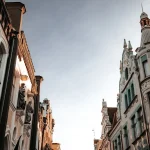
📷 Featured image by Jaanus Jagomägi on Unsplash.