On this page
- The Spiritual Heart of Estonian Wellness Culture
- Traditional Sauna Etiquette and Rituals You Should Know
- Where to Experience Authentic Estonian Saunas in April 2026
- Private vs Public Saunas: Making the Right Choice
- Essential Sauna Accessories and What to Bring
- Health Benefits and Safety Considerations
- Combining Sauna Sessions with Other Estonian April Activities
- 2026 Budget Expectations for Estonian Sauna Experiences
- Frequently Asked Questions
April’s crisp temperatures and longer daylight hours create the perfect backdrop for experiencing Estonia’s most cherished tradition: sauna culture. As snow melts and nature awakens, Estonian saunas offer visitors a unique way to connect with local customs while enjoying the therapeutic benefits of this centuries-old practice.
The Spiritual Heart of Estonian Wellness Culture
Estonian sauna culture runs deeper than simple relaxation. For centuries, the sauna served as a sacred space where children were born, bodies were healed, and communities gathered during the darkest months. Unlike the quick steam sessions common in hotel spas, Estonian sauna culture emphasizes slow, contemplative sessions that can last several hours.
The traditional Estonian sauna, known as “suitsusaun” (smoke sauna), burns wood without a chimney, filling the room with aromatic smoke before bathers enter. This UNESCO-recognized practice creates a unique atmosphere where the smoky scent of birch and pine permeates wooden walls that have absorbed decades of heat and steam.
Modern Estonian saunas maintain this reverent approach while adapting to contemporary needs. The experience typically involves multiple rounds of heating, cooling, and socializing, creating a rhythm that mirrors the natural cycles Estonians have respected for generations.
Traditional Sauna Etiquette and Rituals You Should Know
Understanding Estonian sauna etiquette ensures you’ll be welcomed warmly into this cultural practice. Always shower thoroughly before entering the sauna room, and bring a clean towel to sit on. Nudity is standard in single-gender saunas, while mixed saunas require swimwear or towel wrapping.
The ritual of “viht” or “vasta” involves gently beating yourself or others with birch branches soaked in warm water. This practice improves circulation and releases the fresh, forest-like aroma that defines the Estonian sauna experience. The gentle slapping motion should feel invigorating rather than painful.
Conversations in Estonian saunas tend to be quiet and respectful. The heat encourages introspection, and many Estonians view sauna time as sacred. Follow the lead of locals regarding cooling breaks – these might involve rolling in snow (still possible in April), jumping into cold water, or simply stepping outside to breathe cool air.
Where to Experience Authentic Estonian Saunas in April 2026
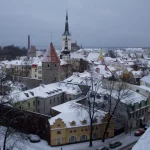
Tallinn’s Old Town houses several atmospheric sauna experiences perfect for April visitors. The salt sauna at Kalma Sauna combines traditional heat with Himalayan salt therapy, while the rooftop location offers views of medieval spires through steam-fogged windows. The warmth of heated wooden benches contrasts beautifully with April’s cool evening air drifting through ventilation systems.
For a more rustic experience, rural guesthouses throughout Estonia offer traditional smoke saunas. Lahemaa National Park’s accommodation options frequently include private saunas where you can listen to April birdsong between heating sessions. The scent of woodsmoke mixing with fresh spring air creates an unforgettable sensory experience.
Tartu provides excellent urban sauna options, particularly around the university district. Many establishments combine sauna sessions with craft beer or traditional Estonian herbal teas, creating social experiences that extend well into April evenings.
Coastal areas like Pärnu offer unique sauna experiences where Baltic Sea access provides natural cooling opportunities. April’s moderate temperatures make beach-adjacent saunas particularly appealing, as the contrast between heated rooms and cool sea air intensifies the health benefits.
Private vs Public Saunas: Making the Right Choice
Public saunas in Estonia operate more like community centers than commercial facilities. They typically offer larger spaces, multiple temperature zones, and opportunities to observe local sauna customs firsthand. Public saunas often include amenities like massage services, ice plunge pools, and traditional food options.

Private sauna rentals provide intimate experiences perfect for families or small groups. Many Estonian accommodations include private saunas, allowing you to experiment with timing and temperature without social pressure. Private saunas also let you fully embrace traditional nudity regardless of your comfort level with strangers.
Hotel saunas generally offer the most accessible introduction to Estonian sauna culture. While less traditional, they provide convenient scheduling and familiar amenities. Many Tallinn hotels have upgraded their sauna facilities significantly in recent years, incorporating traditional elements like birch branches and authentic wooden construction.
Rental houses throughout Estonia frequently include saunas as standard amenities. These provide excellent value for longer stays and let you integrate sauna sessions into your daily routine rather than treating them as special events.
Essential Sauna Accessories and What to Bring
Your sauna kit should include several clean towels, flip-flops or sauna slippers, and a water bottle for hydration. Most Estonian saunas provide basic amenities, but bringing your own ensures comfort and hygiene standards.
Birch branches can often be purchased at sauna locations, but some visitors prefer sourcing their own from Estonian forests (with landowner permission). Fresh branches provide superior aroma and effectiveness compared to dried alternatives commonly found in tourist areas.
Natural fiber clothing works best for post-sauna relaxation, as synthetic materials can feel uncomfortable against heat-sensitized skin. Pack loose, breathable garments that allow your body to continue cooling gradually after sessions.
Consider bringing natural oils or honey for skin treatments during sauna breaks. Estonian markets sell local honey varieties perfect for traditional sauna skincare rituals. These natural treatments complement the purifying effects of heat and steam.
Health Benefits and Safety Considerations
Estonian sauna sessions provide documented cardiovascular benefits, improved circulation, and stress reduction. The alternating heat and cooling cycles stimulate blood flow and may boost immune system function. April’s moderate temperatures make the cooling phases particularly comfortable for sauna newcomers.

Stay hydrated throughout your sauna experience, drinking water before, during, and after sessions. Avoid alcohol before sauna use, as it impairs your body’s ability to regulate temperature effectively. Listen to your body and exit immediately if you feel dizzy, nauseous, or uncomfortable.
People with certain medical conditions should consult physicians before sauna use. Pregnancy, heart conditions, and blood pressure medications can affect heat tolerance. When in doubt, start with shorter sessions at lower temperatures.
April’s unpredictable weather means outdoor cooling options may vary daily. Some days might offer snow patches for traditional rolling, while others provide only cool air. Embrace whatever cooling method feels appropriate for the conditions.
Combining Sauna Sessions with Other Estonian April Activities
April sauna visits pair excellently with hiking in Estonian national parks. The physical exertion of exploring forest trails makes evening sauna sessions particularly satisfying. Many park accommodations offer sauna access specifically for this combination.
Cultural tourism becomes more enjoyable when punctuated by regular sauna sessions. After spending days exploring Tallinn’s museums or Tartu’s historic sites, saunas provide perfect opportunities to process experiences while relaxing tired muscles.
Estonia’s emerging food scene complements sauna culture beautifully. Many restaurants now offer post-sauna dining experiences featuring traditional foods that support the body’s recovery from heat therapy. Local breweries have also begun crafting beers specifically designed to complement sauna sessions.
Photography enthusiasts find April saunas particularly photogenic, as steam against cool air creates dramatic visual effects. Many traditional saunas welcome respectful documentation of the experience, though always ask permission before photographing.
2026 Budget Expectations for Estonian Sauna Experiences
Budget Options (€10-25 per session): Public saunas in smaller towns, basic hotel sauna access, and simple rental house amenities. These provide authentic experiences without luxury amenities.

Mid-Range Experiences (€25-60 per session): Urban spa saunas, guided smoke sauna experiences, and premium hotel facilities. These typically include birch branches, cooling pools, and basic refreshments.
Comfortable Luxury (€60-150 per session): Private traditional saunas with full service, exclusive resort facilities, and comprehensive wellness packages. These often include massage services, gourmet refreshments, and personalized instruction.
Frequently Asked Questions
Do I need to book Estonian saunas in advance during April 2026?
Most public saunas accept walk-ins, but private facilities and popular tourist areas may require reservations. Booking 24-48 hours ahead ensures availability, especially on weekends when locals frequently use saunas.
What’s the ideal duration for a first-time Estonian sauna session?
Begin with 10-15 minute sessions followed by cooling breaks. Traditional Estonian sessions can last 2-3 hours total, but newcomers should build tolerance gradually over multiple visits.
Are Estonian saunas suitable for children and elderly visitors?
Yes, but with precautions. Children should use lower temperature areas and have constant supervision. Elderly visitors should consult physicians if they have health concerns and start with shorter sessions.
How does April weather affect outdoor cooling options after sauna sessions?
April in Estonia offers variable cooling opportunities – some days provide snow patches for traditional rolling, while others offer only cool air. Lakes and coastal areas remain cold enough for invigorating cooling swims.
What should I eat before and after Estonian sauna sessions?
Eat light meals 2-3 hours before sauna use. Afterward, traditional Estonian foods like rye bread, fish, and root vegetables help restore electrolytes. Avoid heavy meals immediately before sessions.
Explore more
Estonian Spring Flavors: A Culinary Guide for April 2026 Visitors
Estonia in April: Exploring Tallinn’s Medieval Old Town
April in Estonia: Where to Experience Spring’s Natural Beauty
📷 Featured image by Nordisch Info on Unsplash.