On this page
- Kilingi-Nõmme: Estonia’s Railway Heritage Town
- Vormsi Island: Sweden’s Forgotten Baltic Outpost
- Kihnu Island: Europe’s Last Matriarchal Society
- Otepää: The Winter Capital’s Year-Round Appeal
- Setomaa: Where Orthodox Culture Meets Estonian Wilderness
- Muhu Island: Saaremaa’s Quieter Neighbor
- Matsalu National Park: Estonia’s Birdwatching Capital
- Practical Planning: Transportation and Logistics
- Budget Breakdown for Regional Estonia
- Frequently Asked Questions
💰 Click here to see Estonia Budget Breakdown
💰 Prices updated: October, 2026. Budget figures are estimates — always verify before travel.
Exchange Rate: $1 USD = €0.88
Daily Budget (per person)
Shoestring: €40.00 – €70.00 ($45.45 – $79.55)
Mid-range: €120.00 – €250.00 ($136.36 – $284.09)
Comfortable: €300.00 – €900.00 ($340.91 – $1,022.73)
Accommodation (per night)
Hostel/guesthouse: €15.00 – €40.00 ($17.05 – $45.45)
Mid-range hotel: €60.00 – €150.00 ($68.18 – $170.45)
Food (per meal)
Budget meal: €15.00 ($17.05)
Mid-range meal: €35.00 ($39.77)
Upscale meal: €100.00 ($113.64)
Transport
Single metro/bus trip: €2.00 ($2.27)
Monthly transport pass: €30.00 ($34.09)
While most travelers circle Tallinn’s Old Town and call it a day, Estonia’s most rewarding experiences often lie beyond the capital’s cobblestones. In 2026, improved regional bus connections and the ongoing Rail Baltica construction have made exploring Estonia’s hidden corners easier than ever—yet these destinations remain refreshingly free of tour groups.
Kilingi-Nõmme: Estonia’s Railway Heritage Town
This unassuming town in southwestern Estonia holds a special place in Baltic railway history. Once a crucial junction on the narrow-gauge railway network that connected Estonia to Latvia, Kilingi-Nõmme today preserves this heritage through its meticulously restored railway museum and operational steam trains.
The Estonian Railway Museum here isn’t just static displays—you can ride authentic narrow-gauge trains through the surrounding Pärnu County countryside. The 750mm gauge railway, operational from May through September 2026, offers weekend journeys that reveal Estonia’s rural landscapes from a perspective impossible by road. The gentle clacking of wheels on narrow tracks and the sweet smell of coal smoke from the vintage locomotives create an almost meditative travel experience.
Beyond railways, Kilingi-Nõmme surprises with its thriving local food scene. Raudteekohvik (Railway Café) serves hearty Estonian comfort food in a converted train car, while the weekly farmers market showcases the region’s exceptional dairy products and seasonal vegetables.
Getting There and Around
Regular buses connect Kilingi-Nõmme to Pärnu (45 minutes) and Tallinn (2.5 hours). The town center is entirely walkable, and bicycle rentals are available at the railway museum for exploring the surrounding countryside.
Vormsi Island: Sweden’s Forgotten Baltic Outpost
For nearly 700 years, Vormsi Island maintained its Swedish character even as political boundaries shifted around it. Today, this 93-square-kilometer island off Estonia’s west coast offers visitors a glimpse into a unique Baltic Swedish heritage that survived until World War II.
The island’s most striking features are its distinctive wheel crosses in the Saxby cemetery—medieval limestone monuments unlike anything else in Estonia. These crosses, some dating to the 14th century, represent a fusion of Swedish and Estonian craftsmanship that tells the story of centuries of coexistence.
Vormsi’s landscape differs dramatically from mainland Estonia. Ancient coastal meadows, gnarled juniper groves, and traditional windmills create an almost otherworldly atmosphere. The morning mist rising from these meadows while cattle graze peacefully nearby feels like stepping into a Nordic fairy tale.
Accommodation options include the renovated Vormsi Guesthouse and several farm stays where hosts share stories of island life. The local tavern serves fresh Baltic herring prepared using traditional Swedish recipes passed down through generations.
Getting There
Ferries operate from Rohuküla (near Haapsalu) to Sviby harbor on Vormsi. The 25-minute crossing runs year-round, with increased frequency during summer months. Ferry tickets cost €3-5 for passengers, €15-20 for cars.
Kihnu Island: Europe’s Last Matriarchal Society
UNESCO recognizes Kihnu Island’s cultural space as a Masterpiece of Oral and Intangible Heritage, and spending time here reveals why. This 16-square-kilometer island maintains traditions that have vanished elsewhere in Europe, particularly its matriarchal social structure where women preserve and transmit cultural knowledge.
Kihnu women still wear traditional striped skirts daily—not as costume for tourists, but as living cultural expression. They run most island businesses, serve as cultural keepers, and maintain the distinctive Kihnu dialect. Visitors often feel privileged to witness this continuity rather than performance.
The island’s isolation has preserved not just social structures but also unique skills. Kihnu fishermen still build traditional wooden boats using techniques unchanged for centuries. The Museum of Kihnu displays these boats alongside traditional fishing equipment and examples of the intricate handicrafts that occupy island women during long winter months.

Cycling remains the best way to explore Kihnu’s compact landscape. The flat terrain and network of dirt roads make every corner accessible, from the lighthouse at the island’s northern tip to the peaceful beaches along the southern shore.
Cultural Experiences
Time visits to coincide with traditional celebrations. Kihnu Folk Music Festival in July showcases the island’s living musical traditions, while the Kihnu Wedding reconstructs traditional marriage ceremonies complete with authentic costumes and customs.
Otepää: The Winter Capital’s Year-Round Appeal
While Otepää earned fame as Estonia’s winter sports capital, limiting visits to snow season means missing the region’s full appeal. The rolling hills and pristine lakes that create perfect ski conditions in winter transform into hiking and cycling paradise during warmer months.
Summer 2026 brings expanded trail networks around Pühajärv (Holy Lake), where crystal-clear water maintains surprisingly warm temperatures by July and August. The lake’s sandy beaches rival those of Estonia’s coastal regions, while surrounding hills offer hiking with panoramic views across the Otepää Nature Park.
The town itself has evolved beyond its winter sports identity. New farm-to-table restaurants showcase South Estonian cuisine using ingredients from the surrounding agricultural region. Pühajärve Spa and Holiday Resort has expanded its wellness facilities, offering year-round relaxation in lakeside settings.
Adventure activities available from May through October include mountain biking on former ski trails, kayaking on interconnected lakes, and Nordic walking through extensive forest networks. The crisp mountain air carries the scent of pine and wildflowers, creating an invigorating outdoor experience.
Seasonal Considerations
Visit Otepää between June and September for hiking and water activities. Winter sports season typically runs December through March, though 2026’s mild winter may shorten this window. Shoulder seasons offer excellent value and fewer crowds.

Setomaa: Where Orthodox Culture Meets Estonian Wilderness
The Seto people maintain a distinct identity that bridges Estonian and Russian cultures, creating a unique regional character unlike anywhere else in the Baltic. Setomaa, spanning both Estonian and Russian sides of the border, offers cultural experiences unavailable elsewhere in Estonia.
Seto polyphonic singing, another UNESCO-recognized tradition, represents one of Europe’s most ancient musical forms. The improvisational nature of these performances means every experience differs, whether heard during traditional celebrations or intimate gatherings in village homes.
Traditional Seto cuisine blends Estonian ingredients with Orthodox culinary traditions. Local restaurants serve distinctive dishes like seto bread (a dense, slightly sweet rye), traditional barley porridge, and seasonal preparations using foraged mushrooms and berries from the surrounding forests.
The Seto Museum in Värska provides comprehensive context for understanding this unique culture, while the annual Seto Kingdom Day in August offers immersive cultural experiences including traditional crafts demonstrations and authentic musical performances.
Border Considerations
Since 2026, visiting the Russian side of Setomaa requires advance visa arrangements for most visitors. Focus on the Estonian Setomaa region around Värska and Obinitsa for the fullest cultural experience without border complications.
Muhu Island: Saaremaa’s Quieter Neighbor
Connected to Saaremaa by a causeway but maintaining its distinct character, Muhu Island offers a more intimate island experience. Traditional thatched-roof farmhouses, ancient churches, and working farms create an authentic rural Estonian atmosphere.
St. Catherine’s Church in Liiva houses some of Estonia’s finest medieval stone carvings, while Muhu Museum preserves traditional island architecture and crafts. The island’s compact size makes exploration manageable in a single day, yet its peaceful rhythm encourages longer stays.
Local artisans maintain traditional handicraft skills, particularly in textile work and woodcarving. Several workshops welcome visitors to observe or participate in these ancient crafts. The island’s farmers markets offer exceptional organic produce and traditional Estonian foods prepared using family recipes.

Accommodation ranges from farmhouse guesthouses to the renovated Pädaste Manor, one of Estonia’s most exclusive country hotels. The manor’s restaurant showcases innovative Estonian cuisine using hyper-local ingredients, many grown in the hotel’s own gardens.
Matsalu National Park: Estonia’s Birdwatching Capital
While Estonia offers excellent birdwatching throughout the country, Matsalu National Park stands apart for the sheer diversity and accessibility of its avian populations. The park’s position on the East Atlantic Flyway makes it a crucial stopover for millions of migrating birds.
Spring migration (April-May) brings dramatic concentrations of waterfowl, while autumn migration (August-October) offers the most diverse species variety. The park’s observation towers and marked trails provide excellent viewing opportunities without disturbing wildlife.
Beyond birding, Matsalu preserves traditional Estonian coastal landscapes including reed beds, water meadows, and ancient coastal forests. These diverse habitats support not just birds but also important populations of mammals, amphibians, and rare plant species.
The Matsalu Nature Centre provides equipment rental, guided tours, and detailed information about seasonal wildlife patterns. Local guides offer specialized tours for serious birders as well as general nature walks suitable for families.
Best Visiting Times
Peak birdwatching occurs during migration periods: April-May and August-October. Summer offers the most comfortable weather and longest daylight hours, while winter provides opportunities to see hardy northern species and dramatic ice formations.
Practical Planning: Transportation and Logistics
Regional Estonia exploration requires different transportation strategies than visiting major cities. While rental cars provide maximum flexibility, Estonia’s improving public transportation network makes car-free travel increasingly viable.
The 2026 bus network includes new express routes connecting regional destinations directly, reducing the need to transit through Tallinn. Real-time scheduling through the Peatus app helps navigate connections, while advance booking secures seats on popular routes.
Ferry schedules to islands remain weather-dependent, particularly during autumn and winter. Build flexibility into island itineraries and consider overnight stays to avoid being stranded by schedule changes.
Accommodation booking becomes essential during summer months and special events. Many regional guesthouses have limited rooms, and the personal service they provide fills up well in advance during peak season.
Budget Breakdown for Regional Estonia
Regional Estonia offers excellent value compared to Tallinn, with accommodation and dining costs significantly lower outside the capital.
Daily Budgets (per person)
Budget Level (€35-50/day): Hostel or guesthouse accommodation (€15-25), local restaurant meals (€8-12), public transportation, basic activities.
Mid-Range (€70-100/day): Private guesthouse rooms or rural hotels (€40-60), restaurant dining plus some specialties (€20-30), rental car or guided tours, cultural activities and museum entries.
Comfortable (€120-180/day): Boutique accommodations or manor hotels (€80-120), fine dining experiences (€35-50), private transportation, exclusive activities and tours.
Specific Costs
Ferry tickets to islands: €3-8 per person, €15-25 for cars. Regional bus fares: €2-12 depending on distance. Museum entries: €3-8. Guided tours: €15-35 per person for group tours, €80-120 for private guides.
Meal costs vary significantly by location, with island restaurants typically charging 20-30% more than mainland equivalents due to transportation costs for supplies.
Frequently Asked Questions
Do these destinations require advance planning or can I visit spontaneously? Islands require checking ferry schedules, and popular guesthouses fill up during summer. Most mainland destinations welcome spontaneous visits, though calling ahead for accommodation is wise.
How much Estonian language do I need for regional travel? English works in most tourist-facing businesses, but basic Estonian phrases help in rural areas. Many locals speak some Russian or German as alternatives to English.

Are these destinations accessible for travelers with mobility limitations? Accessibility varies significantly. Manor hotels and newer facilities generally accommodate mobility aids, while traditional farmhouses and island ferries may present challenges. Contact accommodations directly about specific needs.
What’s the best time of year to visit multiple regional destinations? Late spring through early autumn (May-September) offers the best weather and transportation options. July-August provides warmest temperatures but also highest prices and crowds.
Can I combine multiple regional destinations in one trip? Absolutely. Western islands combine well together, while southern destinations like Otepää and Setomaa pair naturally. Allow extra time for transportation between regions compared to city-to-city travel.
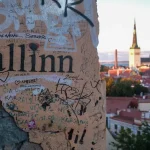
📷 Featured image by Jaanus Jagomägi on Unsplash.