On this page
- The Soviet Legacy Still Visible Today
- Getting to Sillamäe: Your Transport Options
- The Nuclear History and Museum Experience
- Baltic Sea Views and Beach Access
- Day Trip or Overnight? Planning Your Visit
- Where to Eat and Drink in Sillamäe
- Photography and Cultural Etiquette
- Current Costs and Budget Planning
- Frequently Asked Questions
💰 Click here to see Estonia Budget Breakdown
💰 Prices updated: October, 2026. Budget figures are estimates — always verify before travel.
Exchange Rate: $1 USD = €0.88
Daily Budget (per person)
Shoestring: €40.00 – €70.00 ($45.45 – $79.55)
Mid-range: €120.00 – €250.00 ($136.36 – $284.09)
Comfortable: €300.00 – €900.00 ($340.91 – $1,022.73)
Accommodation (per night)
Hostel/guesthouse: €15.00 – €40.00 ($17.05 – $45.45)
Mid-range hotel: €60.00 – €150.00 ($68.18 – $170.45)
Food (per meal)
Budget meal: €15.00 ($17.05)
Mid-range meal: €35.00 ($39.77)
Upscale meal: €100.00 ($113.64)
Transport
Single metro/bus trip: €2.00 ($2.27)
Monthly transport pass: €30.00 ($34.09)
Most travellers racing along Estonia’s northeast coast between Tallinn and Narva miss the turnoff to Sillamäe entirely. This former closed Soviet city, hidden behind forests just 3 kilometres from the main highway, remains one of Estonia’s most intriguing destinations in 2026. Built around a uranium processing plant in the 1940s and closed to outsiders until 1991, Sillamäe offers visitors something genuinely unique: a perfectly preserved Stalinist town frozen in amber, complete with Soviet monuments, neoclassical buildings, and stories that few Estonian destinations can match.
The Soviet Legacy Still Visible Today
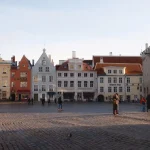
Walking through Sillamäe’s centre feels like stepping onto a film set. The town’s main boulevard, lined with imposing neoclassical buildings painted in soft yellows and greens, stretches towards the Baltic Sea in perfect Soviet symmetry. Unlike other Estonian cities where Soviet-era buildings have been renovated beyond recognition, Sillamäe’s architectural heritage remains largely intact.
The centrepiece is the Cultural Centre, a massive Stalinist structure with columns that wouldn’t look out of place in Moscow. Local pensioners still gather on its steps each afternoon, speaking Russian and sharing stories of the closed city years when special permits were required just to visit relatives. The building houses a small museum detailing the town’s nuclear past, though exhibits are primarily in Estonian and Russian.
At the northern end of Kesk tänav (Central Street), a bronze monument to the “Builders of Sillamäe” depicts heroic workers constructing the secret city. The nearby park retains its Soviet-era landscaping, with geometric flower beds and benches positioned at precise intervals. These details matter because Sillamäe was designed as a showcase city—a model Soviet community where nuclear workers could live in comfort while contributing to the USSR’s atomic programme.

Getting to Sillamäe: Your Transport Options
Reaching Sillamäe requires some planning since it sits off the main transport routes. From Tallinn, the most convenient option is the direct bus service operated by Lux Express, running three times daily with a journey time of 90 minutes. The morning departure at 8:15 AM connects perfectly with return services, making day trips feasible.
Regional bus company Elektriraudtee runs cheaper services via Jõhvi, though these take 2.5 hours due to multiple stops. The advantage is more frequent departures throughout the day. All buses arrive at Sillamäe’s small terminal on Kajaka tänav, a 5-minute walk from the town centre.
By car, take the E20 highway northeast from Tallinn towards Narva, then exit at junction 162 for Route 8 to Sillamäe. The drive takes 75 minutes in normal traffic. Parking is free throughout the town centre, though spaces near the beach fill up quickly during summer weekends.
The nearest railway connection is Jõhvi station, 15 kilometres inland, where trains from Tallinn arrive four times daily. Local bus route 114 connects Jõhvi to Sillamäe every two hours, adding 25 minutes to your journey but offering scenic views of the Ida-Viru countryside.
The Nuclear History and Museum Experience
Sillamäe’s extraordinary past centres on the uranium processing plant that gave the city its purpose. From 1946 to 1989, workers here refined uranium ore imported from across the Soviet Union, contributing to nuclear weapons and reactor programmes. The plant operated under complete secrecy—Sillamäe didn’t appear on maps, residents needed special documents to leave, and visitors were strictly forbidden.
Today, the Sillamäe Museum occupies the former Cultural Centre and tells this remarkable story through photographs, documents, and personal testimonies. The most compelling exhibit features a reconstructed 1950s apartment showing how nuclear workers lived: quality furniture, modern appliances, and food supplies that were luxurious by Soviet standards. Workers received special privileges because their labour was considered vital to state security.

The museum’s highlight is a 20-minute documentary featuring interviews with former plant workers and their families. Many describe the strange contradiction of living in a secret paradise—excellent schools, reliable food supplies, and cultural activities, but complete isolation from the outside world. Children born in Sillamäe couldn’t tell friends from other towns where they lived.
The museum opens Tuesday through Saturday from 10 AM to 5 PM. Admission costs €8 for adults, with English-language audio guides available for an additional €3. The documentary is shown in Estonian with English subtitles at 11 AM, 1 PM, and 3 PM.
Baltic Sea Views and Beach Access
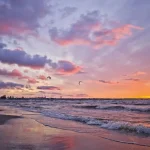
Sillamäe’s location on a limestone cliff 25 metres above the Baltic Sea provides some of Estonia’s most dramatic coastal views. The town’s northern edge overlooks a sweeping bay where the sea meets the horizon in an unbroken line. On clear days, you can spot ships heading to and from Russia’s Baltic ports.
A steep path leads down to the beach, though “beach” overstates things—it’s more of a rocky coastline with patches of sand between boulders. The water stays cold even in summer, reaching 18°C in July, but locals swim regularly. The area is popular with fossil hunters searching for 450-million-year-old trilobites in the limestone cliffs.
The clifftop promenade extends for nearly a kilometre, offering benches where you can watch sunset over the water while seagulls wheel overhead on the sea breeze. This is where many visitors experience Sillamäe’s most memorable moment—the surreal contrast between Soviet monuments and natural Baltic beauty.
During winter months, the sea often freezes near the shore, creating ice formations that locals photograph obsessively. The cliff path can be icy and requires proper footwear from December through March.
Day Trip or Overnight? Planning Your Visit
Most visitors treat Sillamäe as a day trip from Tallinn, and this works well if you’re focused on the architecture and museum. The town centre is compact enough to explore thoroughly in 4-5 hours, including time for lunch and a coastal walk.
However, staying overnight reveals a different side of Sillamäe. Evenings bring out local residents who were at work during the day—elderly Russians walking their dogs, teenagers gathering in the small park, families strolling to the clifftop for sunset views. The sound of Russian conversations echoes off the neoclassical buildings as streetlights illuminate the Soviet-era monuments.
Accommodation options remain limited. The Sillamäe Spa Hotel, a modern addition near the beach, offers comfortable rooms from €85 per night. For budget travellers, several guesthouses provide basic rooms from €35. The most atmospheric option is staying in a renovated Soviet-era apartment through local hosting services, giving you the chance to sleep where nuclear workers once lived.
If you choose a day trip, the 8:15 AM bus from Tallinn allows arrival by 9:45 AM, perfect for a full day before the 6:30 PM return service. This schedule provides enough time for the museum, architectural exploration, and a seaside lunch without feeling rushed.
Where to Eat and Drink in Sillamäe
Dining options reflect Sillamäe’s Russian heritage and working-class roots. Cafe Primorsk on Kesk tänav serves hearty Russian dishes in a setting that hasn’t changed much since the 1990s. Their borscht arrives steaming hot in heavy ceramic bowls, accompanied by thick slices of dark bread that carries the earthy aroma of caraway seeds. Main courses like beef stroganoff or chicken Kiev cost €8-12 and portions are substantial enough to satisfy nuclear plant workers.
For a more contemporary experience, Restaurant Sillamäe in the spa hotel offers Estonian cuisine with Baltic Sea views. Their fish dishes feature local catch prepared with modern techniques, though prices are significantly higher at €18-25 for mains.
The town’s most authentic experience comes from the small market near the bus terminal, where local babushkas sell home-made piroshki, pickled vegetables, and thick Russian pancakes called blini. These cost just €2-3 each and provide insight into how residents actually eat.
Evening drinking culture centres on Bar Nostalgia, a Soviet-themed establishment that could seem kitsch but feels genuine in this context. Local workers gather here after shifts, speaking Russian and drinking Estonian beer alongside vodka shots. The atmosphere is welcoming to curious visitors, though expect conversations to be primarily in Russian.
Photography and Cultural Etiquette
Sillamäe presents unique opportunities for photography, but sensitivity is essential. Many residents lived through the Soviet period and have complex feelings about their town’s fame as a “preserved Soviet city.” Some appreciate international interest, while others worry about becoming a tourist curiosity.
The safest approach is photographing buildings and monuments rather than people without permission. The architectural contrasts—classical Soviet buildings against Baltic Sea backdrops—provide compelling compositions without raising privacy concerns. The golden hour light between 7-9 AM creates particularly dramatic shadows on the neoclassical facades.
When photographing near residential areas, be discreet. Many elderly residents speak limited Estonian and no English, communicating primarily in Russian. A few phrases like “Spasibo” (thank you) and “Izvinite” (excuse me) help establish goodwill.
Avoid photographing the former nuclear plant area, now an industrial site east of town. While no longer classified, the operators prefer privacy and security guards may approach photographers.
Current Costs and Budget Planning
Sillamäe remains one of Estonia’s most affordable destinations, reflecting its working-class character and limited tourism infrastructure. Budget travellers can manage a day trip from Tallinn for under €40, including transport, museum admission, and meals.
Transport: Tallinn-Sillamäe bus tickets cost €8 each way with Lux Express, or €6 with regional operators. Fuel costs for driving are approximately €12 round-trip.
Accommodation: Budget guesthouses charge €35-45 per night for basic rooms. The spa hotel ranges from €85-120 depending on season and view. Private apartment rentals cost €40-60 per night.
Food: Market snacks cost €2-5. Cafe Primorsk mains are €8-12. Restaurant Sillamäe charges €18-25 for dinner. A beer costs €3-4 in local bars.
Activities: Museum admission is €8, audio guide €3. Walking tours aren’t regularly available, though the heritage app costs €5 for unlimited access.
Mid-range visitors should budget €80-100 for a day trip including meals and activities, or €150-200 for an overnight stay. Comfortable travellers staying at the spa hotel with restaurant meals should expect €250-300 for an overnight visit.
Frequently Asked Questions
Is it safe to visit the former nuclear site?
Yes, the area has been thoroughly decontaminated and poses no radiation risk. The former plant now operates as a conventional industrial facility producing fertilizers and other chemicals.
Do I need to speak Russian to visit Sillamäe?
Not necessarily, though it helps. Museum staff speak English, and younger service workers often know basic Estonian. Many signs remain in Russian alongside Estonian since 2024’s language law updates.
Can I access the beach year-round?
The clifftop path stays open all year, but the steep beach trail becomes dangerous when icy. Winter visits are possible but require proper footwear and caution near the cliff edge.
Are there guided tours available?
Regular guided tours aren’t offered, but the Sillamäe Heritage Trail app provides excellent self-guided options. Private guides can be arranged through the museum for groups of 6+ people.
How long should I plan for a visit?
A thorough exploration requires 4-6 hours for day trips, including the museum, architectural walk, and coastal views. Overnight stays allow for a more relaxed pace and evening atmosphere.
📷 Featured image by Jaanus Jagomägi on Unsplash.