On this page
- Planning Your First Estonia Adventure
- Essential Regions to Experience
- Must-See Historic Sites and Castles
- Natural Wonders and National Parks
- Cultural Experiences That Define Estonia
- Estonian Cuisine Beyond the Capital
- Transportation Across Estonia
- Island-Hopping Adventures
- Seasonal Activities and Festivals
- Digital Estonia Experiences
- Practical First-Timer Tips
- Frequently Asked Questions
💰 Click here to see Estonia Budget Breakdown
💰 Prices updated: October, 2026. Budget figures are estimates — always verify before travel.
Exchange Rate: $1 USD = €0.88
Daily Budget (per person)
Shoestring: €40.00 – €70.00 ($45.45 – $79.55)
Mid-range: €120.00 – €250.00 ($136.36 – $284.09)
Comfortable: €300.00 – €900.00 ($340.91 – $1,022.73)
Accommodation (per night)
Hostel/guesthouse: €15.00 – €40.00 ($17.05 – $45.45)
Mid-range hotel: €60.00 – €150.00 ($68.18 – $170.45)
Food (per meal)
Budget meal: €15.00 ($17.05)
Mid-range meal: €35.00 ($39.77)
Upscale meal: €100.00 ($113.64)
Transport
Single metro/bus trip: €2.00 ($2.27)
Monthly transport pass: €30.00 ($34.09)
Planning your first trip to Estonia in 2026? You’re in for a treat. This Baltic gem has evolved tremendously since joining the digital revolution, with Rail Baltica construction progressing rapidly and new flight connections making regional exploration easier than ever. Yet many first-timers still stick to Tallinn’s Old Town, missing Estonia’s incredible diversity—from pristine islands to ancient forests that smell of pine and moss after morning rain.
Planning Your First Estonia Adventure
Estonia’s compact size—roughly the same as Switzerland—makes it perfect for first-time visitors who want variety without constant travel fatigue. The entire country measures just 350 kilometers north to south, meaning you can wake up in Tallinn’s medieval streets and watch sunset over Saaremaa’s ancient meteorite crater the same day.
EU citizens need only a valid ID card, while most other visitors require a passport but no visa for stays under 90 days. Estonia uses the euro, which simplified transactions significantly when cash was still common—though in 2026, you’ll find contactless payments accepted even at remote forest visitor centers.
The sweet spot for a first visit spans 7-10 days. This gives you time for Tallinn (2-3 days), one major island (2-3 days), at least one national park (1-2 days), and either Tartu or Pärnu (1-2 days). Budget travelers can comfortably explore for €40-60 daily, while those seeking comfort should plan €80-120 per day.
Book accommodations early during summer months (June-August) and winter holidays. Estonia’s tourism infrastructure expanded significantly post-2024, but popular guesthouses on islands still fill quickly. The Rail Baltica connection to Tallinn, expected completion by 2030, has already improved bus connections as Estonia prepares for increased visitor numbers.
Essential Regions to Experience
Northern Estonia centers around Tallinn but extends to Lahemaa National Park, where wooden fishing villages dot the coastline like scenes from fairy tales. The morning mist rising from Viru bog creates an otherworldly atmosphere that photographers travel thousands of kilometers to capture.

Southern Estonia feels distinctly different—rolling hills replace coastal plains, and Tartu’s university town atmosphere contrasts sharply with Tallinn’s tourist energy. The Otepää region transforms into Estonia’s winter sports capital, while Võru County preserves Seto culture, a unique blend of Estonian and Orthodox traditions.
Western Estonia includes mainland Pärnu, Estonia’s summer capital with its white sand beach stretching 3 kilometers, plus the ferry gateway to Estonia’s two largest islands. Each region maintains distinct character—northerners joke about southern dialects, while islanders pride themselves on independence that dates back centuries.
Eastern Estonia borders Russia and remains less touristed, offering authentic experiences in places like Narva, where you can stand on medieval walls facing a Russian fortress across the river. The region’s Russian-speaking population creates fascinating cultural dynamics worth experiencing.
Must-See Historic Sites and Castles
Tallinn’s UNESCO-listed Old Town requires no introduction, but venture beyond the main squares to discover hidden courtyards where medieval merchants stored grain. The smell of centuries-old limestone walls mingles with coffee from modern cafés tucked into buildings that predate Columbus.
Kuressaare Castle on Saaremaa island stands as Northern Europe’s best-preserved medieval fortress. Unlike many European castles rebuilt for tourists, Kuressaare maintains authentic medieval grimness—thick walls, narrow windows, and chambers that echo with footsteps. The surrounding moat, filled during storms, reflects the fortress walls like a mirror.
Rakvere Castle offers interactive medieval experiences where actors demonstrate blacksmithing and archery. The castle’s torture chamber might seem touristy, but historical records confirm these methods were actually used here—a sobering reminder of medieval justice.

Estonia’s manor houses tell stories of Baltic German nobility who shaped Estonian culture for 700 years. Palmse Manor in Lahemaa showcases aristocratic life, while Sagadi Manor focuses on forestry traditions. These weren’t merely estates but self-contained communities with breweries, schools, and hospitals.
Tartu’s Old Observatory played crucial roles in 19th-century astronomy. The building itself is worth seeing, but guided tours reveal how Estonian scientists contributed to international research when the country didn’t even exist as an independent nation.
Natural Wonders and National Parks
Lahemaa National Park protects 725 square kilometers of Northern Estonia’s most pristine landscapes. The park’s four peninsulas each offer different experiences—Käsmu peninsula for maritime forests, Juminda for coastal meadows, and Pärispea for limestone cliffs that drop dramatically into the Baltic Sea.
Soomaa National Park transforms completely with seasons. Spring floods create Estonia’s “fifth season,” when forests become navigable waterways accessible only by canoe. The silence here is profound—no traffic noise, just water lapping against trees and occasional beaver splashes.
Vilsandi National Park encompasses over 160 islands, though most visitors explore just the main island connected by causeway during low tide. Grey seals bask on rocks, seemingly unbothered by photographers, while migratory birds use these islands as crucial Baltic flyway stops.
Estonia’s bogs deserve special mention. These wetlands, formed over 10,000 years, create ecosystems found nowhere else on Earth. Wooden walkways protect both visitors and fragile vegetation, but step onto the bog itself (where permitted) and feel sphagnum moss compress underfoot like a natural sponge.
The country’s forests cover over half of Estonia’s territory. In Alutaguse forests, you might spot brown bears, wolves, or lynx—though encounters remain rare. More commonly, you’ll hear woodpeckers echoing through pine groves and catch glimpses of flying squirrels gliding between trees at dusk.

Cultural Experiences That Define Estonia
Estonia’s digital society isn’t just government efficiency—it’s cultural identity. Visit Tallinn’s e-Residency building to understand how this nation of 1.3 million people created digital infrastructure that countries worldwide now study and copy. The pride Estonians take in their tech achievements rivals their love for ancient song traditions.
Song festivals reveal Estonia’s soul. The 2025 festival drew 100,000 participants, but smaller regional celebrations throughout 2026 offer more intimate experiences. Watch locals’ faces during “Mu isamaa” (My Fatherland)—this isn’t performance but genuine emotion connecting modern Estonia to independence struggles.
Estonian sauna culture differs significantly from Finnish traditions. Estonian saunas often include vihta (birch branch beating), but the social aspects matter more—conversations, shared meals, and community bonding that happens when people gather without pretense. Many guesthouses offer authentic sauna experiences where you’ll sweat alongside locals.
Visit working farms to understand Estonian rural life. Organic farms around Viljandi offer hands-on experiences—milking cows, gathering eggs, making traditional cheese. The earthy smell of cow barns and fresh hay creates powerful memories that connect visitors to Estonia’s agricultural heritage.
Craft workshops teach traditional skills still practiced today. Learn to weave baskets from birch bark, forge simple tools, or create pottery using techniques passed down through generations. These aren’t tourist demonstrations but actual skills many Estonian grandparents still possess.
Estonian Cuisine Beyond the Capital
Estonian food varies dramatically by region, shaped by geography, climate, and historical influences that created distinct culinary traditions worth exploring beyond Tallinn’s restaurant scene.
Saaremaa island specializes in juniper-flavored dishes—bread, cheese, even beer infused with berries from bushes that grow wild across the island. Local smokeries cure fish using traditional methods, creating salmon and eel with complex flavors impossible to replicate elsewhere.

Tartu’s student population supports surprisingly diverse dining options. The central market offers fresh produce from surrounding farms, while Soviet-era basement restaurants serve hearty Estonian classics. University cafeterias, open to visitors, provide authentic experiences where locals actually eat daily.
Pärnu’s summer restaurant scene focuses on fresh seafood and seasonal vegetables. Beach cafés serve simple but excellent grilled fish, while upscale establishments create modern interpretations of coastal Estonian cuisine. The contrast between casual seaside dining and formal restaurant culture reveals different aspects of Estonian food philosophy.
Rural guesthouses often serve family-style meals featuring ingredients grown on-site. These aren’t restaurant experiences but glimpses into how Estonian families actually eat—hearty, seasonal, and deeply connected to local landscapes. Expect abundant portions, especially during harvest seasons.
Estonian craft breweries, scattered across small towns, create beers using local ingredients like sea buckthorn, honey, and herbs. Many brewers speak English and enjoy explaining their processes, especially how Estonian ingredients create unique flavors unavailable elsewhere.
Transportation Across Estonia
Estonia’s public transportation network, significantly upgraded since 2024, connects even remote areas efficiently and affordably. The integrated ticketing system now works nationwide, allowing seamless transfers between buses, trains, and ferries using the same card or mobile app.
Buses form the transportation backbone, reaching virtually every settlement. Express buses connect major cities hourly, while regional services access smaller towns and villages. Bus stations provide real-time updates in multiple languages, and most buses offer free WiFi and USB charging.
Rail connections remain limited but useful for specific routes. The Tallinn-Tartu line runs efficiently with comfortable trains, while suburban services connect Tallinn to nearby towns. Rail Baltica construction causes occasional delays, but alternative bus services maintain schedules.
Rental cars offer maximum flexibility for exploring rural areas and national parks. Roads are excellent, traffic light, and parking generally free outside city centers. Winter driving requires experience with snow conditions, but major routes receive priority clearing.

Ferry services to islands run frequently and reliably. The Virtsu-Kuivastu route to Saaremaa operates year-round with regular departures, while smaller island connections require advance planning. Vehicle reservations are recommended during summer months and festivals.
Cycling infrastructure has expanded dramatically across Estonia. The Baltic Coastal Route offers 1,200 kilometers of marked cycling paths, while national parks maintain extensive trail networks. Bike rental shops in major towns provide quality equipment and route recommendations.
Island-Hopping Adventures
Saaremaa, Estonia’s largest island, deserves at least three days to explore properly. Kuressaare serves as the main base, but venture beyond to discover medieval churches, ancient sacrificial sites, and coastal cliffs where waves crash against limestone formations carved by millennia of Baltic storms.
Hiiumaa island attracts visitors seeking authenticity over convenience. The 1531 Kõpu lighthouse, among the world’s oldest, still guides ships through treacherous Baltic waters. Local guesthouses serve meals featuring island-grown vegetables and freshly caught fish, creating intimate dining experiences impossible in larger destinations.
Muhu island, connected to Saaremaa by causeway, maintains distinct traditions including intricate embroidery patterns and unique architecture. The island’s compact size makes cycling ideal for exploration—ride between windmills, churches, and coastal villages in a single afternoon.
Vormsi island, with its Swedish heritage, offers glimpses into Baltic German culture that once dominated Estonian islands. Abandoned manor houses dot the landscape, while traditional fishing villages preserve architecture styles found nowhere else in modern Estonia.
Smaller islands require more planning but reward adventurous travelers. Ruhnu island, accessible by small plane or summer ferry, maintains an isolated community where traditional ways persist by necessity rather than tourism performance.
Island Transportation Tips
Ferry schedules vary seasonally, with summer offering frequent connections and winter requiring careful planning. Vehicle space fills quickly during peak periods, so book advance reservations. Walk-on passengers rarely face capacity issues, making foot travel more flexible than driving.

Seasonal Activities and Festivals
Estonian seasons create dramatically different travel experiences, each offering unique activities and festivals that showcase different aspects of national culture and natural beauty.
Spring (March-May) brings bog walking season, when wooden boardwalks allow safe access to otherwise impassable wetlands. Cranberry picking traditions continue from generations past, while migratory birds return to fill forests with song. The smell of wild garlic carpets forest floors, and locals gather it for traditional spring dishes.
Summer (June-August) transforms Estonia into an outdoor playground. White nights provide 19 hours of daylight, making evening activities possible until nearly midnight. Beach season peaks in July, when Baltic water temperatures reach their warmest—though “warm” remains relative at 20°C maximum.
Autumn (September-November) offers mushroom foraging, a national obsession that brings families into forests searching for chanterelles, porcini, and other edible varieties. Local guesthouses organize guided foraging tours, teaching visitors to identify safe species while exploring Estonia’s extensive woodlands.
Winter (December-February) creates wonderland conditions perfect for cross-country skiing, ice fishing, and sledding. Estonian winters aren’t merely cold—they transform landscapes into something magical, where snow-laden pine branches create natural cathedrals and frozen lakes become highways for adventurous travelers.
Major festivals throughout 2026 include Jazzkaar (April), celebrating international jazz in intimate venues; Viljandi Folk Music Festival (July), showcasing traditional and world music; and Black Nights Film Festival (November-December), screening international cinema in Tallinn’s historic venues.
Digital Estonia Experiences
Estonia’s digital society offers unique tourism experiences unavailable elsewhere. The country’s e-governance systems aren’t just efficient—they represent a completely different relationship between citizens and government that visitors can explore and understand.
e-Residency programs allow visitors to establish digital identities and experience Estonian digital services firsthand. While primarily designed for entrepreneurs, curious travelers can participate in workshops explaining how Estonia created paperless government systems that other nations struggle to replicate.

Free public WiFi blankets the entire country, from remote bus stops to forest visitor centers. This isn’t tourism infrastructure but daily reality for Estonians who expect constant connectivity. The network quality rivals premium hotel WiFi, making Estonia ideal for digital nomads and remote workers.
Tech company tours in Tallinn reveal how small teams created global applications like Skype and Bolt. Many startups offer informal office visits, sharing insights about Estonian innovation culture that produced disproportionate technological success for such a small nation.
Digital art installations throughout Estonian cities showcase how traditional culture adapts to technological advancement. Interactive displays in museums respond to visitor movements, while AR applications overlay historical information onto medieval buildings, creating seamless blends of past and future.
Cybersecurity museums and experiences reflect Estonia’s unique position as both digital leader and target of international cyber attacks. Understanding Estonia’s digital resilience provides context for the country’s technological achievements and national security strategies.
Practical First-Timer Tips
Estonian culture blends Nordic efficiency with post-Soviet directness, creating social dynamics that sometimes surprise unprepared visitors but reward those who understand local customs and expectations.
Language barriers rarely cause problems—most Estonians under 50 speak excellent English, while older generations often know German or Russian. Learning basic Estonian phrases like “tänan” (thank you) and “vabandage” (excuse me) earns appreciative smiles from locals who respect efforts to engage with their challenging language.
Tipping isn’t expected but appreciated for exceptional service. Round up restaurant bills or add 5-10% for particularly good experiences. Taxi drivers don’t expect tips, while hotel staff appreciate small gestures for extra assistance.
Safety concerns are minimal—Estonia ranks among Europe’s safest countries. Standard precautions suffice: watch belongings in crowded areas, avoid excessive alcohol in unfamiliar neighborhoods, and respect nature’s dangers in forests and bogs where proper equipment and local advice prevent most problems.

Mobile connectivity is excellent nationwide. EU visitors use domestic plans without roaming charges, while others can purchase local SIM cards for €10-15 with generous data allowances. Free WiFi availability makes mobile data less critical than in many destinations.
Estonian directness in communication can seem abrupt to visitors from cultures emphasizing small talk and indirect communication. Don’t interpret brief responses as rudeness—Estonians value efficiency and assume others do too. Genuine questions receive helpful, detailed answers.
Banking and payments are almost entirely digital. Contactless cards work everywhere, while cash is increasingly rare. Some rural guesthouses and markets still prefer cash, so carry small amounts for emergencies.
Frequently Asked Questions
How many days do I need for a first visit to Estonia?
Seven to ten days allows comfortable exploration of Tallinn, one major island, a national park, and either Tartu or Pärnu. This timeline prevents rushing while covering Estonia’s main highlights and experiencing different regional characters.
Is it easy to travel around Estonia without speaking Estonian?
Yes, English is widely spoken, especially among younger people and tourism workers. Public transport apps, restaurant menus, and attraction information are available in English. Basic politeness phrases in Estonian are appreciated but not necessary.
What’s the best way to reach Estonian islands?
Regular ferries connect the mainland to Saaremaa and Hiiumaa islands year-round. Vehicle reservations are recommended in summer, but walk-on passengers rarely face capacity issues. Smaller islands require advance planning and seasonal ferry schedules.
Are Estonian national parks free to visit?
Yes, all Estonian national parks offer free entry. Visitor centers provide maps and information, while marked trails accommodate various fitness levels. Guided tours and special programs cost extra but aren’t necessary for independent exploration of parks.
Explore more
The Ultimate Guide to Shopping in Estonia: What to Buy & Where
How to Get Around Estonia: Your Ultimate Transport Guide
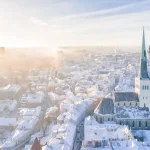
📷 Featured image by Genet Schneider on Unsplash.