On this page
- Discovering Tartu’s Character: Estonia’s Intellectual Heart
- Best Neighborhoods: Where to Base Yourself
- Top Attractions & Highlights: Beyond the University Gates
- Food & Drink Scene: Where Students and Gourmets Converge
- Getting Around: Navigating the Compact City
- Day Trips: Exploring Southern Estonia
- Nightlife & Entertainment: After Dark in the University City
- Shopping: From Academic Books to Artisan Crafts
- Accommodation Areas: Choosing Your Base
- Best Time to Visit: Timing Your Tartu Experience
- Practical Tips: Navigating Local Life
- Budget Breakdown: Daily Costs in Estonia’s University City
- Frequently Asked Questions
💰 Click here to see Estonia Budget Breakdown
💰 Prices updated: October, 2026. Budget figures are estimates — always verify before travel.
Exchange Rate: $1 USD = €0.88
Daily Budget (per person)
Shoestring: €40.00 – €70.00 ($45.45 – $79.55)
Mid-range: €120.00 – €250.00 ($136.36 – $284.09)
Comfortable: €300.00 – €900.00 ($340.91 – $1,022.73)
Accommodation (per night)
Hostel/guesthouse: €15.00 – €40.00 ($17.05 – $45.45)
Mid-range hotel: €60.00 – €150.00 ($68.18 – $170.45)
Food (per meal)
Budget meal: €15.00 ($17.05)
Mid-range meal: €35.00 ($39.77)
Upscale meal: €100.00 ($113.64)
Transport
Single metro/bus trip: €2.00 ($2.27)
Monthly transport pass: €30.00 ($34.09)
Tartu feels different from other Estonian cities the moment you arrive. Students cycle past 13th-century ruins while professors debate philosophy in cafés that have witnessed centuries of intellectual discourse. Estonia’s second-largest city pulses with an energy that’s both ancient and perpetually young, where cobblestone streets lead to cutting-edge research labs and medieval towers overlook modern art galleries.
Discovering Tartu’s Character: Estonia’s Intellectual Heart
Unlike Tallinn’s tourist crowds or Pärnu’s beach resort atmosphere, Tartu maintains an authentic Estonian rhythm shaped by university life and local pride. The University of Tartu, founded in 1632, doesn’t just exist in the city—it is the city. One in four residents is connected to the university, creating a unique blend of academic rigor and bohemian creativity that permeates every street corner.
The medieval Old Town wraps around Toome Hill like a protective embrace, while the Emajõgi River cuts through the heart of the city, offering riverside walks and summer boat trips. Soviet-era apartment blocks stand alongside restored merchant houses, creating a cityscape that tells Estonia’s complex history without pretense. The scent of coffee drifts from countless cafés where students huddle over laptops, mixing with the earthy aroma of rye bread from traditional bakeries that have fed generations of scholars.
Tartu’s intellectual reputation extends far beyond academia. The city birthed Estonian national literature, hosted the first Estonian-language university lectures, and remains the cultural conscience of the nation. This legacy creates a sophisticated cultural scene that punches well above its 100,000-person weight class, with world-class museums, innovative restaurants, and a nightlife that seamlessly blends student energy with refined tastes.
Best Neighborhoods: Where to Base Yourself
Tartu’s compact size means you can walk between neighborhoods in minutes, but each district offers a distinct personality that attracts different types of travelers and residents.
Kesklinn (City Center)

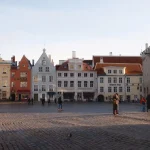
The historic heart surrounding Town Hall Square provides the quintessential Tartu experience. Medieval buildings house modern boutiques, while cobblestone streets lead to the university’s main building and central library. This area suits visitors who want to be steps away from major attractions, restaurants, and the train station. The architecture tells the story of Hanseatic merchants, Swedish rule, and Estonian independence in a compact area perfect for evening strolls.
Karlova
This bohemian quarter north of the center attracts artists, young professionals, and visitors seeking authentic local life. Wooden houses painted in cheerful colors line quiet streets, while corner cafés serve locally roasted coffee to a mix of locals and design students. Karlova offers a glimpse into residential Tartu without tourist crowds, perfect for travelers who prefer neighborhood exploration over monument ticking.
Supilinn
The “Soup Town” district showcases Tartu’s unique wooden architecture, with streets named after soup ingredients (Potato, Pea, Cabbage). This UNESCO-protected area feels like a village within the city, where artists’ studios occupy century-old houses and community gardens flourish between buildings. It’s ideal for photography enthusiasts and those seeking Instagram-worthy backdrops with historical depth.
Tähtvere
Modern Tartu spreads across the river in this newer district, home to shopping centers, chain hotels, and contemporary restaurants. While lacking old-world charm, Tähtvere offers practical amenities and easy parking, making it suitable for families or business travelers who prioritize convenience over atmosphere.
Top Attractions & Highlights: Beyond the University Gates
Tartu’s attractions blend intellectual curiosity with Estonian heritage, creating experiences that engage both mind and senses.
University of Tartu and Its Historic Buildings
The university’s main building dominates the city center with its classical columns and storied assembly hall where students have defended dissertations for nearly 400 years. The university museum displays everything from ancient Roman coins to modern research equipment, while the old anatomical theater offers macabre fascination with its preserved specimens. The student lock-up in the basement tells tales of academic rebellion through graffiti carved by confined students over two centuries.

Toome Hill Park
This green lung in the city center combines nature with history across 25 hectares of parkland. The ruins of Tartu Cathedral crown the hill, offering panoramic views over red-tiled roofs to the Emajõgi River. Ancient oak trees shade walking paths where locals jog, students read, and families picnic. The observatory provides stargazing opportunities on clear nights, while the botanical garden showcases plants from around the world in carefully tended plots.
AHHAA Science Centre
Estonia’s flagship science museum transforms learning into entertainment through interactive exhibits that make physics, biology, and technology accessible to all ages. The planetarium projects shows about Estonian folklore alongside cosmic journeys, while the hands-on experiments let visitors create lightning, explore the human body, and understand climate science. The building itself impresses with sustainable design and modern architecture that contrasts beautifully with the medieval surroundings.
Estonian National Museum
This architectural marvel, opened in 2016, tells the story of Estonian culture through innovative displays that combine traditional artifacts with multimedia presentations. The building, constructed on a former Soviet airfield, symbolizes Estonia’s journey from occupation to independence. Interactive exhibits let visitors experience traditional Estonian life, from ancient hunting techniques to modern digital innovations, while the roof provides stunning views across southern Estonia’s landscape.
Food & Drink Scene: Where Students and Gourmets Converge
Tartu’s dining scene reflects its academic character—intellectually curious, internationally influenced, yet proudly Estonian. The city supports an impressive range of restaurants despite its modest size, from student-budget eateries to establishments that could hold their own in any European capital.

Rüütli Street Dining District
This pedestrian street forms Tartu’s restaurant row, where establishments range from casual bistros to upscale dining rooms. Mediterranean flavors mix with Nordic techniques, while several restaurants showcase modern Estonian cuisine using local ingredients. The street buzzes with energy as students grab quick lunches between lectures and professors conduct informal meetings over extended dinners.
Town Hall Square Cafés
The historic square anchors Tartu’s café culture, where establishments spill onto outdoor terraces during warmer months. Traditional Estonian pastries share menu space with international coffee drinks, while the medieval backdrop provides atmosphere that chain cafés cannot replicate. Local bakeries supply fresh bread daily, filling the square with aromas that have attracted hungry students for generations.
Student Quarter Bars
The area around the university pulses with affordable bars and pubs that cater to student budgets without compromising on quality. Estonian craft beers flow alongside international options, while bar food ranges from traditional Estonian dishes to global comfort food. These establishments create the informal atmosphere where academic discussions continue long past closing time.
Craft Brewery Scene
Tartu’s craft beer movement rivals much larger cities, with local breweries experimenting with traditional Estonian ingredients like juniper, sea buckthorn, and wild herbs. Taprooms offer tastings and tours, while several restaurants feature locally brewed beers paired with Estonian dishes. The university connection ensures a knowledgeable clientele that appreciates both innovation and quality.
Getting Around: Navigating the Compact City
Tartu’s walkable size makes transportation more about convenience than necessity. The city center spans less than two kilometers in any direction, making most attractions accessible on foot within 15 minutes.

Walking and Cycling
The flat terrain and compact layout favor pedestrians and cyclists. Dedicated bike lanes connect major districts, while bike-sharing systems provide convenient rentals through smartphone apps. The riverside path offers scenic routes between neighborhoods, and most streets feature wide sidewalks that accommodate both pedestrians and the occasional cyclist.
Public Transportation
City buses connect outer districts to the center every 10-15 minutes during peak hours. A single ticket costs €1.50, while day passes offer unlimited rides for €3. The system uses contactless payment, and most buses feature real-time arrival information at stops. Routes radiate from the city center like spokes, making transfers rare for tourist destinations.
Airport Access
Tartu Airport serves primarily domestic flights and pilot training, with limited commercial service. Most international visitors arrive via Tallinn Airport (165 kilometers north) and take the comfortable Lux Express bus service, which runs every two hours and costs €8-12 for the 2.5-hour journey. The bus station sits within walking distance of the city center.
Day Trips: Exploring Southern Estonia
Tartu’s central location in southern Estonia provides access to diverse landscapes and attractions within easy reach for day trips.
Elva and Verevi Lake (30 minutes)
This small town offers swimming, hiking, and relaxation around one of Estonia’s most pristine lakes. Summer brings beach activities and water sports, while winter transforms the area into cross-country skiing terrain. Local restaurants serve fresh fish, and guesthouses provide overnight options for those wanting to extend their visit. Public buses run hourly from Tartu’s main station.
Otepää Winter Capital (45 minutes)
Estonia’s winter sports center provides year-round outdoor activities across rolling hills and pristine forests. Ski jumps and cross-country trails attract athletes and recreation seekers, while summer hiking and cycling routes traverse the same terrain. The town center features sports museums and equipment rental shops, plus restaurants specializing in hearty Estonian fare perfect for refueling after outdoor activities.

Vooremaa Landscape Protection Area (1 hour)
This protected region showcases southern Estonia’s geological diversity through ancient valleys, hilltop forests, and traditional villages. Hiking trails connect historic manor houses with panoramic viewpoints, while local artisans maintain traditional crafts in workshops open to visitors. The area requires a car for full exploration, though some locations connect by regional bus service.
Põlva County Manor Houses (1-1.5 hours)
Several restored Baltic German manor houses offer glimpses into pre-independence Estonian aristocratic life. Elaborate gardens, period furnishings, and architectural details transport visitors to the 18th and 19th centuries. Many manors host cultural events, serve traditional meals, and offer overnight accommodation in atmospheric rooms that blend historical charm with modern comfort.
Nightlife & Entertainment: After Dark in the University City
Tartu’s nightlife reflects its academic character—sophisticated yet unpretentious, with options ranging from intellectual discourse in wine bars to dancing until dawn in student clubs.
Cocktail Culture
Several establishments have elevated Tartu’s cocktail scene beyond typical university town offerings. Skilled bartenders craft drinks using Estonian spirits and locally foraged ingredients, while atmospheric venues provide intimate settings for conversation. The warmth of dimly lit interiors welcomes both locals and visitors seeking refined evening entertainment.
Live Music Venues
The university’s music programs ensure a steady supply of talented performers across genres from classical to experimental. Intimate venues host everything from jazz ensembles to indie rock bands, while the concert hall presents larger productions including touring international artists. The academic calendar influences programming, with the most dynamic events occurring during the semester.
Student Club Scene
University-affiliated clubs provide energetic nightlife that welcomes visitors alongside students. Cover charges remain modest, drinks cost less than in Tallinn, and the international student population ensures English-friendly environments. These venues often feature themed nights, guest DJs, and special events tied to academic milestones.

Seasonal Entertainment
Tartu’s cultural calendar peaks during the academic year, with festivals, theater productions, and special events concentrated between September and May. Summer brings outdoor concerts and riverside festivities, while winter features cozy indoor performances and holiday markets that transform the historic center into a festive wonderland.
Shopping: From Academic Books to Artisan Crafts
Tartu’s shopping scene caters to intellectual curiosities and practical needs rather than luxury consumption, with unique finds that reflect the city’s academic and artistic character.
Bookstores and Academic Shops
Several specialized bookstores stock academic titles, Estonian literature in translation, and rare volumes that attract bibliophiles from across the Baltics. University bookshops offer textbooks, research materials, and scholarly publications alongside general interest books. Antiquarian book dealers hidden in basement shops reward patient browsers with unexpected treasures.
Local Craft Boutiques
Artisan workshops throughout the historic center sell handmade pottery, textiles, jewelry, and woodwork created by local artists and university art students. These one-off pieces reflect Estonian design traditions updated with contemporary sensibilities, providing authentic souvenirs that support local creativity.
Weekend Markets
Saturday markets in Town Hall Square feature local producers selling everything from organic vegetables to handknitted woolens. The atmosphere combines practical shopping with social interaction as locals catch up on weekly news while selecting fresh ingredients. Seasonal specialties include wild mushrooms in autumn and handicrafts during holiday periods.
Vintage and Antique Finds
Several shops specialize in Soviet-era artifacts, vintage Estonian design, and antique furniture that survived multiple political upheavals. These establishments appeal to collectors and curious visitors seeking authentic pieces of Estonian material culture. Prices remain reasonable compared to similar items in Western European antique markets.
Accommodation Areas: Choosing Your Base

Tartu’s accommodation options cluster in distinct areas that cater to different budgets and preferences, from luxury hotels in restored historic buildings to budget hostels popular with international students.
Old Town Luxury
Historic buildings converted to boutique hotels provide atmospheric accommodation steps from major attractions. Rooms feature period details like exposed beams and original stone walls, combined with modern amenities including heated floors and high-speed internet. Expect to pay €80-150 per night for this central location and historical ambiance.
Karlova Character Stays
Guesthouses and small hotels in this artistic neighborhood offer more intimate experiences at moderate prices (€40-80 per night). Many occupy restored wooden houses with gardens and common areas that encourage interaction with other guests and local hosts. The location provides easy access to both city center attractions and authentic neighborhood life.
Student-Friendly Budget Options
Hostels and budget hotels near the university cater to young travelers and visiting academics with dormitory-style accommodation (€15-25 per night) and private rooms (€30-50). These establishments often provide kitchen facilities, study spaces, and social areas where guests share travel tips and academic experiences.
Modern Comfort Zone
Chain hotels and business-oriented properties in newer districts offer predictable comfort and amenities like fitness centers, conference rooms, and parking. While lacking historical charm, these options provide reliable service and modern facilities for travelers prioritizing convenience over atmosphere. Rates range from €50-120 depending on brand and season.
Best Time to Visit: Timing Your Tartu Experience
Tartu’s character shifts dramatically with the academic calendar and seasonal changes, making timing crucial for the type of experience you seek.
Academic Year Energy (September-May)
The university’s active period brings maximum energy to streets, bars, and cultural venues. Cool autumn weather (5-15°C) provides ideal walking conditions, while winter snow (often -5 to -15°C) creates postcard scenes around medieval buildings. Spring’s arrival (March-May, 0-15°C) brings renewed energy and outdoor activities as students emerge from winter hibernation.

Summer Respite (June-August)
Student departures create a quieter, more local atmosphere while warm weather (15-25°C) enables outdoor dining and riverside activities. Cultural venues reduce programming, but summer festivals and outdoor events compensate. Accommodation costs often drop, and restaurant reservations become easier to secure.
Festival Seasons
The annual Hanseatic Days (summer) celebrate medieval heritage with markets and performances, while various academic conferences throughout the year bring international visitors. Winter holiday markets (December) transform the town square, creating atmospheric shopping and dining opportunities despite cold temperatures.
Weather Considerations
Estonian weather can change rapidly regardless of season. Pack layers and waterproof clothing year-round. Summer daylight extends until nearly midnight, while winter days can be short with limited sunshine. Indoor cultural attractions provide excellent backup plans for unpredictable weather.
Practical Tips: Navigating Local Life
Understanding Tartu’s local customs and practical considerations enhances your visit and helps you blend into the academic community that defines city life.
Student Advantages
International student ID cards unlock significant discounts at museums, restaurants, and cultural venues. Many establishments offer student pricing without requiring university affiliation, particularly if you appear young or carry academic materials. The generous student culture extends beyond official programs.
Language and Communication
Estonian dominates daily conversation, but English proficiency runs high among university community members and younger locals. Russian serves as a backup language for older residents. Learning basic Estonian greetings (Tere – hello, Aitäh – thank you) earns appreciative smiles from locals.
Payment and Money
Estonia embraced cashless payments enthusiastically, with most establishments accepting contactless cards and mobile payments. Small cafés and market vendors may prefer cash, so carry €20-40 for contingencies. Tipping isn’t obligatory but rounding up bills shows appreciation for good service.

Safety and Local Customs
Tartu maintains very low crime rates typical of Estonian cities. University areas stay active late into the night, providing natural security through foot traffic. Estonians appreciate punctuality, direct communication, and respect for intellectual discourse. Avoid loud behavior in academic areas and libraries.
Budget Breakdown: Daily Costs in Estonia’s University City
Tartu’s costs generally run 20-30% lower than Tallinn, making it an attractive destination for budget-conscious travelers while still offering quality experiences across all price levels.
Budget Tier (€25-40 per day)
Hostel dormitory accommodation costs €15-25, while local cafeterias and student restaurants provide filling meals for €5-8. Public transport passes (€3) cover city exploration, and many attractions offer student discounts that bring museum entries to €3-5. Self-catering from markets and supermarkets can reduce food costs to €10-15 daily.
Mid-Range Comfort (€60-100 per day)
Guesthouses and small hotels charge €40-70 for double rooms, while restaurant meals range from €12-20 per person. Attraction entries cost €5-10 without discounts, and occasional taxi rides add €5-10 to transportation costs. This budget allows comfortable exploration without financial stress while supporting local businesses.
Comfortable Experience (€120-180 per day)
Boutique hotels and luxury accommodations charge €80-150 nightly, while fine dining establishments offer multi-course meals for €30-50 per person. Private guides, taxi transportation, and premium cultural experiences fill this budget level. Wine tastings, spa treatments, and day trip transportation add premium touches to the Tartu experience.
Additional Costs
Alcohol remains affordable with local beers costing €3-5 and wine glasses starting around €4-6. Souvenirs range from €5 postcards to €50 artisan crafts. Rail Baltica construction may cause temporary transportation surcharges, while major academic conferences can inflate accommodation rates during peak periods.
Frequently Asked Questions
How many days should I spend in Tartu?
Two to three days provides sufficient time to explore major attractions, experience the dining scene, and take a day trip to nearby natural areas. Academic visitors or those deeply interested in Estonian culture might extend their stay to a week for more thorough exploration.

Is Tartu worth visiting if I don’t speak Estonian?
Absolutely. English proficiency is high among university community members, restaurant staff, and younger locals. Tourist information is available in English, and the international student population creates a welcoming environment for English speakers.
What’s the best way to get from Tallinn to Tartu?
Lux Express buses run every two hours between the cities, taking 2.5 hours and costing €8-12. The service is comfortable, reliable, and drops you in central Tartu. Rental cars provide flexibility for exploring surrounding areas.
Are Tartu’s attractions suitable for families with children?
Yes, particularly the AHHAA Science Centre, which specifically caters to families with interactive exhibits. Parks, markets, and outdoor areas provide child-friendly spaces, while many restaurants welcome families with dedicated children’s menus and high chairs.
When do universities close and how does this affect visitors?
Summer break runs June-August, reducing student energy but not tourist services. Most restaurants, attractions, and accommodations operate normal schedules year-round. Cultural programming decreases during summer but outdoor festivals and events provide alternative entertainment options.
Explore more
The Ultimate Tartu Food Guide: Where to Eat, Drink, and Indulge
Which Tartu District is Right For Your Trip? A Traveler’s Guide
Best Restaurants in Tartu: Our Top Picks for Every Budget