On this page
- A City of Two Worlds
- Historic Quarters and Architectural Gems
- Exploring Narva’s Distinct Neighborhoods
- Must-See Attractions and Cultural Sites
- Local Culinary Discoveries
- Transportation and Getting Around
- Day Trip Destinations
- Nightlife and Evening Entertainment
- Shopping Districts and Local Markets
- Accommodation Options by Area
- Timing Your Visit Throughout the Year
- Essential Practical Information
- Daily Budget Planning
- Frequently Asked Questions
💰 Click here to see Estonia Budget Breakdown
💰 Prices updated: October, 2026. Budget figures are estimates — always verify before travel.
Exchange Rate: $1 USD = €0.88
Daily Budget (per person)
Shoestring: €40.00 – €70.00 ($45.45 – $79.55)
Mid-range: €120.00 – €250.00 ($136.36 – $284.09)
Comfortable: €300.00 – €900.00 ($340.91 – $1,022.73)
Accommodation (per night)
Hostel/guesthouse: €15.00 – €40.00 ($17.05 – $45.45)
Mid-range hotel: €60.00 – €150.00 ($68.18 – $170.45)
Food (per meal)
Budget meal: €15.00 ($17.05)
Mid-range meal: €35.00 ($39.77)
Upscale meal: €100.00 ($113.64)
Transport
Single metro/bus trip: €2.00 ($2.27)
Monthly transport pass: €30.00 ($34.09)
Planning a trip to Estonia’s easternmost city in 2026 means preparing for a journey unlike anywhere else in the Baltics. Narva sits directly on the Russian border, creating a fascinating cultural blend that many travelers find both intriguing and initially overwhelming. The language barrier feels more pronounced here than in Tallinn, and navigating the unique visa requirements for border crossings requires advance planning.
A City of Two Worlds
Narva pulses with an energy you won’t find anywhere else in Estonia. This border city of 55,000 residents offers visitors a rare glimpse into a place where Estonian and Russian cultures intersect daily. The medieval Narva Castle stands guard over the Narva River, directly facing Russia’s Ivangorod Fortress across the water—a view that captures the city’s strategic importance spanning seven centuries.
Walking through Narva feels like stepping between two worlds. You’ll hear Russian spoken as commonly as Estonian on the streets, smell the rich aroma of borscht drifting from family-run restaurants, and discover Orthodox churches alongside Lutheran heritage sites. The city’s industrial past as a major textile center during the Soviet era has evolved into a cultural renaissance, with art galleries occupying former factory spaces and local entrepreneurs breathing new life into historic neighborhoods.
What makes Narva particularly compelling for travelers is its authenticity. This isn’t a tourist-focused destination trying to recreate its past—it’s a living, working city where history continues to unfold. The 2026 tourism infrastructure improvements, including enhanced English signage and expanded visitor services, have made the city more accessible while preserving its distinctive character.
Historic Quarters and Architectural Gems
Narva’s Old Town may be smaller than Tallinn’s, but it packs remarkable diversity into its compact streets. The area centers around the imposing Narva Castle, a 13th-century fortress that houses the city’s main museum. The castle’s Tall Hermann tower offers panoramic views across the Narva River to Russia’s Ivangorod Fortress, creating one of Europe’s most dramatic border vistas.

The baroque Town Hall, reconstructed after World War II destruction, anchors the main square where local markets and cultural events take place. Unlike many European old towns, Narva’s historic center includes significant examples of Stalinist architecture alongside medieval structures, creating an unusual architectural timeline that tells the city’s complex story.
The Kreenholm district deserves special attention for its industrial heritage. This former textile manufacturing complex, once Europe’s largest cotton mill, now houses artists’ studios, cultural spaces, and small businesses. The red brick factory buildings and worker housing create an atmospheric backdrop for understanding Narva’s industrial transformation.
Russian Orthodox Heritage
Narva’s religious architecture reflects its diverse population. The Narva Alexander’s Cathedral, with its distinctive green domes, serves as the spiritual center for the city’s Orthodox community. The cathedral’s interior features elaborate iconostases and the lingering scent of incense that transports visitors into the heart of Eastern Orthodox tradition.
Exploring Narva’s Distinct Neighborhoods
Each of Narva’s neighborhoods tells a different chapter of the city’s story. The Joaorg district, north of the old town, showcases typical Soviet-era residential planning with its orderly apartment blocks and wide boulevards. While initially appearing monotonous, this area offers authentic glimpses into daily life for most Narva residents, plus several good local restaurants serving traditional Russian cuisine.
The Soldina neighborhood, south of the center, developed around the 19th-century fortress works and retains a more industrial character. Here you’ll find working-class pubs, automotive shops, and the kind of neighborhood bakeries where locals gather for morning coffee and fresh pastries.
Kreenholm, technically on an island in the Narva River, represents the city’s most ambitious urban renewal project. The former industrial complex now houses art galleries, design studios, and cultural venues. The cobblestone streets between the red brick buildings create an atmospheric setting for evening walks, particularly during the summer months when outdoor concerts take place in the courtyards.
Must-See Attractions and Cultural Sites
Narva Castle dominates any sightseeing itinerary, and rightfully so. The fortress complex includes multiple museums covering local history, medieval warfare, and the city’s industrial heritage. The Northern Yard houses rotating exhibitions featuring contemporary Baltic artists, while the castle courtyard hosts medieval festivals during summer months.
The Narva Museum, located within the castle walls, provides essential context for understanding the city’s role as a border town throughout different historical periods. Interactive displays explain the complex population changes, industrial development, and cultural evolution that shaped modern Narva.
Dark Tourism enthusiasts should visit the Narva Tank Monument, a Soviet-era T-34 tank commemorating World War II liberation. The monument sparks ongoing political debates, making it a powerful symbol of how historical memory remains contested in border regions.
Natural Attractions
Narva-Jõesuu, the city’s beach resort suburb 15 kilometers north, offers Baltic Sea coastline with sandy beaches and spa facilities. The area’s sanatorium architecture from the Soviet period creates a unique seaside atmosphere, while the Narva-Jõesuu Museum provides insight into the area’s development as a health resort.
The Narva River promenade, recently renovated in 2025, provides scenic walking paths along the border. The waterfront park includes observation points where you can watch border guards patrol and observe daily life in both Estonia and Russia simultaneously.
Local Culinary Discoveries
Narva’s food scene reflects its multicultural population in fascinating ways. Traditional Estonian cuisine appears alongside Russian specialties, often fusion-style dishes that exist nowhere else. Restaurant Rondeel, located near the castle, serves updated versions of both Estonian and Russian classics in a medieval-themed setting.

For authentic Russian cuisine, head to Narva Kuldne Lõvi, where the kitchen produces exceptional borscht, pelmeni, and beef stroganoff. The warm candlelit interior and traditional music create an immersive cultural experience beyond just dining.
The Central Market, open Thursday through Saturday, offers the best selection of local and imported foods. Vendors sell everything from Estonian black bread to Russian pickles, plus seasonal specialties like cloudberry preserves and smoked fish from Lake Peipus.
Cafe settings tend toward the cozy and intimate rather than trendy. Kohvik Stefani attracts local intellectuals and artists with its excellent coffee and homemade pastries, while maintaining a distinctly Russian cafe atmosphere with newspapers in multiple languages and chess sets available for patrons.
Local Specialties
Don’t miss trying narva leib, a local dark rye bread variation that’s denser and more sour than typical Estonian rye. Local bakeries also produce excellent syrniki (Russian cottage cheese pancakes) and kama, an Estonian superfood mixture perfect for breakfast.
Transportation and Getting Around
Narva’s public transportation system centers on bus routes connecting residential neighborhoods with the city center. The main bus station serves as the hub for both local and long-distance services, including the important Tallinn-Narva route that takes approximately 3 hours.
Walking remains the best way to explore central Narva, as most attractions lie within a compact area. The city center to Narva Castle takes about 10 minutes on foot, while reaching Kreenholm requires crossing the pedestrian bridge—a scenic 15-minute walk.
Taxi services operate reliably, with most drivers speaking basic English alongside Estonian and Russian. Ride-sharing apps function in Narva, though traditional taxis remain more common than in larger Estonian cities.

Border Crossing Considerations
The Narva-Ivangorod border crossing requires advance planning for most visitors. EU citizens need valid passports, while other nationalities should verify current visa requirements well before travel. Border processing can take 30 minutes to several hours depending on current political conditions and seasonal tourist flows.
Day Trip Destinations
Sillamäe, 30 kilometers east, offers Soviet-era architecture and uranium mining history in a compact seaside setting. The drive takes 45 minutes through rural Estonian countryside, passing traditional farmhouses and forest landscapes.
Lake Peipus, Estonia’s largest lake shared with Russia, provides excellent fishing, swimming, and old believer cultural experiences. The lakeside villages maintain traditional Russian Orthodox customs dating back centuries. Plan 4-5 hours for a proper lake visit including cultural sites.
Rakvere, 100 kilometers southwest, features a restored medieval castle and Estonia’s largest brewery. The journey takes 1.5 hours by car or bus, making it feasible as a long day trip for travelers interested in medieval history and craft beer.
Ontika cliff and waterfall, located 20 kilometers west along the coast, provide dramatic limestone cliff landscapes and Estonia’s highest waterfall. The area includes hiking trails and scenic viewpoints perfect for nature photography.
Ida-Viru County’s industrial heritage sites, including former Soviet military installations and mining operations, appeal to travelers interested in 20th-century history. Guided tours operate from Narva during summer months, covering locations not accessible independently.
Nightlife and Evening Entertainment
Narva’s nightlife scene caters primarily to local residents rather than tourists, creating authentic experiences for visitors willing to explore beyond their comfort zones. The city’s bars and clubs often feature Russian pop music alongside Estonian and international selections.
Club Versus attracts younger crowds with DJ sets and live music performances, while maintaining a relaxed atmosphere where visitors can easily join conversations with locals. The club’s location in a renovated Soviet-era building adds atmospheric appeal.

Traditional Estonian pubs like Põrgu offer quieter evening options with local beers, simple food, and the chance to practice basic Estonian phrases with friendly locals. These venues typically close earlier than big-city establishments but provide genuine cultural exchange opportunities.
Cultural Evening Programs
The Narva Cultural Centre hosts regular performances including Russian folk music, Estonian choir concerts, and contemporary theater productions. Check their schedule for evening events that showcase local artistic talent.
During summer months, outdoor concerts take place in castle courtyards and park settings, creating magical evening atmospheres enhanced by medieval architecture and riverside locations.
Shopping Districts and Local Markets
Narva’s shopping reflects its border city character, with goods from both Estonia and Russia available in local stores. The Astri Shopping Center provides standard international brands and Estonian products in a modern mall environment.
More interesting shopping happens at the weekend markets near the bus station, where vendors sell everything from Soviet-era collectibles to handmade crafts. These markets offer excellent opportunities to find unique souvenirs unavailable elsewhere in Estonia.
Antique shops scattered throughout the old town specialize in items from the Soviet period, including propaganda posters, military memorabilia, and household goods that tell stories of daily life under different political systems.
The Kreenholm area houses several artist studios and craft workshops where visitors can purchase locally made pottery, textiles, and artwork directly from creators. These purchases support the area’s cultural revival while providing authentic Estonian artisan products.
Accommodation Options by Area
Budget travelers gravitate toward the Narva Hostel, located walking distance from the castle and main attractions. The hostel provides clean, basic accommodation with shared facilities and helpful staff who can arrange local tours and transportation.
Mid-range options include Hotel Narva, a renovated Soviet-era hotel with updated rooms and reliable services. The hotel’s central location makes exploring on foot convenient, while the restaurant serves both Estonian and Russian cuisine.

For more comfort, Villa Tammsaare offers boutique-style accommodation in a restored 19th-century building. The property includes individually decorated rooms, a small spa, and personalized service that helps guests navigate local attractions and cultural sites.
Kreenholm district accommodation includes several guesthouses and small hotels in converted factory buildings. These properties provide unique industrial-heritage atmospheres while remaining budget-friendly and culturally immersive.
Timing Your Visit Throughout the Year
Summer months (June through August) provide the warmest weather and longest daylight hours, making outdoor exploration most comfortable. This season also brings the highest tourist numbers and potential border crossing delays, particularly during Russian holiday periods.
Spring (April-May) offers mild weather and fewer crowds, though some attractions may have limited hours. The season brings blooming parks and comfortable walking conditions without summer heat.
Autumn (September-October) features beautiful fall foliage along the Narva River and comfortable temperatures for sightseeing. Border crossings tend to be less crowded, and accommodation prices drop from summer peaks.
Winter visits require cold-weather preparation but provide atmospheric snow-covered castle views and cozy indoor cultural experiences. Some outdoor attractions close or reduce hours, but the season offers authentic local life experiences and festive Orthodox celebrations.
Essential Practical Information
Language barriers exist more prominently in Narva than elsewhere in Estonia. Russian serves as the primary language for most residents, while Estonian and limited English are also spoken. Learning basic Russian phrases enhances the travel experience significantly.
The Euro serves as official currency, though some businesses near the border also accept Russian rubles informally. ATMs are readily available throughout the city center and shopping areas.
Safety levels remain high typical of Estonian cities, though visitors should exercise normal urban precautions. Border area restrictions apply in certain zones—respect posted signs and avoid photography near checkpoints without permission.

Mobile phone coverage from Estonian networks works reliably throughout the city, though international roaming charges may apply for some visitors. Free WiFi is available in most cafes, hotels, and public buildings.
Tap water meets EU safety standards and tastes clean throughout Narva. Restaurants and cafes serve tap water freely upon request.
Daily Budget Planning
Budget Travel (€25-35 per day):
- Hostel accommodation: €12-18
- Meals at local cafes: €8-12
- Public transportation: €2-4
- Attraction entries: €3-8
Mid-Range Comfort (€50-70 per day):
- Hotel accommodation: €30-45
- Restaurant meals: €15-25
- Taxi transportation: €5-10
- Cultural activities: €10-15
Comfortable Travel (€80-120 per day):
- Boutique accommodation: €60-80
- Fine dining experiences: €25-40
- Private transportation: €15-25
- Guided tours and experiences: €20-30
Border crossing fees don’t typically apply for EU citizens, though visa costs for Russian side visits can add €35-70 depending on nationality and processing time requirements.
Frequently Asked Questions
Do I need a visa to visit Narva?
EU citizens need only a valid passport. Other nationalities should check current Estonian visa requirements. Crossing into Russia requires additional documentation and advance planning for most visitors.
How safe is Narva for tourists?
Narva maintains typical Estonian safety levels with low crime rates. Standard urban precautions apply, and border area restrictions should be respected. Local residents are generally helpful to confused visitors.
Can I use English in Narva?
Limited English is spoken, primarily in hotels and tourist sites. Russian dominates daily conversation, while Estonian is also widely understood. Learning basic phrases in either language helps significantly.
What’s the best way to get from Tallinn to Narva?
Regular bus service connects the cities in approximately 3 hours for €8-12. Car rental provides flexibility for exploring surrounding areas. No direct train service operates on this route.
Are there good day trips from Narva?
Lake Peipus, Sillamäe, and Ontika cliff offer excellent day trip options within 30-45 minutes. Each destination provides different experiences from cultural heritage to natural landscapes and Soviet history.
Explore more
Your Ultimate Narva Travel Guide: Essential Tips for First-Time Visitors
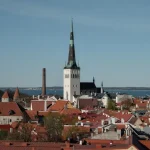
📷 Featured image by Artur Alexander Holmski on Unsplash.