On this page
- Estonia Doesn’t Announce Itself — It Reveals Itself Slowly
- Understanding Estonia’s Regions Before You Book
- Experiences That Define a Real Estonian Trip
- Where to Eat Across Estonia — Markets, Halls, and Food Streets
- Getting Around Estonia in 2026
- Day Trips and Regional Escapes Worth the Journey
- Estonia After Dark — Where the Country Actually Unwinds
- Shopping — What Estonia Actually Sells Well
- Where to Stay — Accommodation Across Estonia by Budget
- When to Visit — Seasons, Crowds, and Key Events
- Practical Tips for Traveling in Estonia
- What a Trip to Estonia Costs in 2026 — Real Budget Figures
- Frequently Asked Questions
💰 Click here to see Estonia Budget Breakdown
💰 Prices updated: October, 2026. Budget figures are estimates — always verify before travel.
Exchange Rate: $1 USD = €0.88
Daily Budget (per person)
Shoestring: €40.00 – €70.00 ($45.45 – $79.55)
Mid-range: €120.00 – €250.00 ($136.36 – $284.09)
Comfortable: €300.00 – €900.00 ($340.91 – $1,022.73)
Accommodation (per night)
Hostel/guesthouse: €15.00 – €40.00 ($17.05 – $45.45)
Mid-range hotel: €60.00 – €150.00 ($68.18 – $170.45)
Food (per meal)
Budget meal: €15.00 ($17.05)
Mid-range meal: €35.00 ($39.77)
Upscale meal: €100.00 ($113.64)
Transport
Single metro/bus trip: €2.00 ($2.27)
Monthly transport pass: €30.00 ($34.09)
Estonia Doesn’t Announce Itself — It Reveals Itself Slowly
In 2026, Estonia still confuses travelers who expect it to behave like a typical European destination. You won’t find aggressive tourist touts in Tallinn’s Old Town. You won’t get handed laminated menus on the street. What you will find is a country that rewards patience, curiosity, and a willingness to step off the main square. The biggest planning mistake visitors make is treating Estonia like a single city break. It isn’t. It’s a compact but genuinely diverse country — medieval coastlines, ancient forests, bog Landscapes, Baltic islands, and a tech-forward culture that feels unlike anywhere else in the region. This guide covers everything you need to plan a real trip, whether you have four days or three weeks.
Understanding Estonia’s Regions Before You Book
Estonia is roughly the size of Denmark, but the experience varies enormously by region. Knowing which areas match your travel style saves you time and bad surprises.
Tallinn and the North Coast
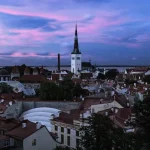
Tallinn is the obvious starting point — a UNESCO-listed medieval Old Town surrounded by a rapidly modernising city. The Kalamaja and Telliskivi neighbourhoods are where locals actually spend their weekends: converted factories, independent coffee shops, and street art alongside colourful wooden houses. First-time visitors should plan at least two full days in Tallinn before moving on.
Tartu and South Estonia
Tartu is Estonia’s university city and its intellectual heartbeat. It’s smaller, slower, and considerably cheaper than Tallinn. The Seto cultural region in the far southeast — a unique Orthodox Christian minority culture — and the ancient forest trails around Otepää make south Estonia genuinely rewarding for those willing to rent a car.
Western Estonia and Pärnu
Pärnu is Estonia’s summer capital: a beach town that fills with Scandinavian and Finnish visitors from June through August. Outside summer it’s quiet, affordable, and surprisingly atmospheric. The wooden villa architecture along Ranna puiestee boulevard is some of the most distinctive in the Baltics.

The Islands — Saaremaa, Hiiumaa, and Muhu
The western islands are where Estonia’s rural, unhurried identity is most intact. Saaremaa has the best infrastructure — the Kuressaare castle, windmill villages, and a growing number of farm-to-table restaurants. Hiiumaa is for those who genuinely want to slow down. Muhu, connected to Saaremaa by causeway, is known for its traditional handicrafts and the famous Pädaste Manor hotel.
Northeastern Estonia and Narva
Narva sits directly on the Russian border and has one of the most striking border landscapes in Europe — two fortresses facing each other across the Narva River. The region has changed significantly since 2022, and in 2026 it carries a particular historical weight that makes it a thoughtful destination for history-minded travellers. The nearby Lahemaa National Park is Estonia’s largest and most accessible protected area.
Experiences That Define a Real Estonian Trip
Skip the generic and focus on what Estonia does better than anywhere else.
- Bog walking: Soomaa National Park floods seasonally, and the ancient bog trails at Viru Bog near Lahemaa are genuinely otherworldly — a flat, open landscape of rust-coloured moss, black water pools, and absolute silence broken only by wind. The wooden boardwalk trails are accessible year-round.
- Smoke sauna culture: The UNESCO-listed smoke sauna tradition is centred in Võrumaa in south Estonia. Mooska Farm near Võru offers authentic sessions — the low heat, the scent of centuries-old wood smoke, and the ritual of birch whisks is an experience that genuinely doesn’t translate until you’re in the room.
- Old Town Tallinn at 6am: The medieval limestone streets, the smell of cool morning air drifting off the cobblestones, and the complete absence of crowds make the early hours here feel like stepping into another century. Most tourists sleep through it.
- Cycling the islands: Saaremaa and Hiiumaa are flat and have well-marked cycling routes. Renting a bike and cycling through juniper meadows to a lighthouse with no other tourist in sight is entirely achievable and costs almost nothing.
- Song Festival Grounds, Tallinn: Even outside festival years, the amphitheatre is open and free. Standing on the stage where 30,000 Estonians sang their way to independence gives the site a quiet, powerful atmosphere.

Where to Eat Across Estonia — Markets, Halls, and Food Streets
Estonia’s food scene has matured considerably by 2026, but it’s not evenly distributed. Here’s where to actually eat well by region.
Tallinn
Balti jaama turg — the market beside Tallinn’s Baltic Station — is the best single food destination in the country. Three floors of vendors selling smoked fish, fresh produce, Estonian cheeses, pickled everything, and street food from a dozen cuisines. The ground floor stalls near the fish counter are where locals shop; the upper food hall is where you eat. Telliskivi Creative City, a five-minute walk away, has a cluster of independent restaurants and the Flea Market on weekends. Ülemiste City near the airport has grown significantly as a dining destination in 2025–2026, catering to the tech worker crowd with higher-quality casual options.
Tartu
Tartu’s Kaubamaja food hall on Riia street and the covered Tartu Market on Vabaduse puiestee are both worth a morning. The streets around Rüütli and Küüni are dense with cafés and restaurants at every price point — this is where university life and food culture overlap most visibly.
Pärnu and the Islands
Pärnu’s central market on Koidula street is a classic Estonian provincial market — cheap, unpretentious, and excellent for smoked fish and seasonal produce. On Saaremaa, the area around Kuressaare’s central square has the best restaurant concentration on the islands, including several farm-focused kitchens that source directly from local producers.
Getting Around Estonia in 2026
Estonia’s internal transport has improved but still has real gaps outside the major corridors.
Buses
Lux Express and Ecolines run comfortable, punctual intercity coaches between Tallinn, Tartu, Pärnu, and Narva. Tickets booked online in advance are typically €5–€15. The national bus network (tpilet.ee) covers smaller towns and villages, though frequency drops sharply in rural areas.
Trains
Elron operates the national rail network. The Tallinn–Tartu line is reliable (roughly 2 hours), and the Tallinn–Pärnu service now runs more frequently following timetable upgrades in 2025. Rail Baltica — the high-speed rail project connecting Tallinn to Warsaw via Riga and Vilnius — is progressing, with major infrastructure work visible through 2026. Full service is not expected until 2030, but some sections are advancing faster than projected.
Ferries to the Islands
Praamid.ee operates state ferries to Saaremaa, Hiiumaa, Muhu, and smaller islands. Most ferries are free for foot passengers and cyclists; car ferry fees apply. Booking in advance during July and August is essential — vehicle spaces fill weeks ahead.
Car Hire
For south Estonia, the islands, and Lahemaa, a rental car is the single most useful travel investment you can make. Rates in 2026 start around €35–€50 per day for a compact car from Tallinn Airport. Estonian roads are generally well-maintained, and driving culture is calm compared to Western Europe.
Tallinn Airport and City Transport
Tallinn Airport is 4km from the city centre. Tram line 4, extended in 2024, now connects directly to the airport and runs to the Old Town and Ülemiste district. The fare is €1.50 with an app or €2 on board. Taxis from the airport to the city centre cost €8–€15 depending on the company — Bolt is the dominant app-based option.

Day Trips and Regional Escapes Worth the Journey
Lahemaa National Park (70km from Tallinn)
Estonia’s largest national park covers coastal forest, manor houses, fishing villages, and bog trails. Viru Bog is a 90-minute loop with boardwalks. Palmse and Sagadi manors are beautifully restored. A day trip by car from Tallinn takes 1.5 hours each way and gives you a full day in the park.
Tartu from Tallinn (185km)
A comfortable 2-hour bus or train journey. Spend the day around the university district, AHHAA Science Centre (excellent for families), and the riverfront. Stay overnight to experience the city’s distinct evening atmosphere around Aparaaditehas creative hub.
Pärnu from Tallinn (130km)
Two hours by bus or car. Best visited May through September for the beach and outdoor restaurant scene. The spa hotels here are well-priced by European standards and particularly popular with Finnish visitors seeking weekend retreats.
Saaremaa Island
Plan at least one overnight stay. The drive from Tallinn including the ferry crossing takes about 3.5 hours. Kuressaare castle, the Kaali meteor crater, and the Angla windmill complex are the main highlights. Cycling routes from Kuressaare take you through scenery that feels completely removed from modern Europe.
Narva (210km from Tallinn)
The border town is a full-day commitment — 2.5 hours by bus each way. The Narva Castle and the view across to the Russian fortress of Ivangorod are extraordinary. In 2026, the border itself remains closed to civilian crossings, but the town and castle are fully accessible and safe for tourists.

Estonia After Dark — Where the Country Actually Unwinds
Estonia doesn’t do loud nightlife as a national identity, but it does do it genuinely well in pockets.
In Tallinn, the Telliskivi and Kalamaja areas carry the most authentic after-dark energy — bar terraces on summer evenings, live music in converted warehouses, and a crowd that is overwhelmingly local rather than tourist. Kultuurikatel (the Cultural Cauldron) hosts regular live music events and club nights. The Old Town’s Müürivahe Street and Harju Street have traditional bars and a handful of late-closing venues, though these tend to attract a more tourist-heavy crowd. Club Prive and Studio remain the main large-format club venues in 2026.
In Tartu, the student population keeps the Ülikooli and Rüütli street areas busy on weekends year-round. Tartu operates on a different rhythm to Tallinn — evenings start and end earlier, the atmosphere is more relaxed, and prices are noticeably lower.
On Saaremaa in summer, the Kuressaare brewery and the outdoor terraces near the castle create a pleasant, unhurried evening scene that suits the island’s overall pace perfectly.
Shopping — What Estonia Actually Sells Well
Estonia is not a shopping destination in the conventional sense, but there are specific things worth buying and specific places to find them.
Handicrafts and textiles are the most distinctively Estonian purchases. The Nukufilm shop in Tallinn (near the Old Town) stocks handmade dolls and animation-related products. Katariina käik — a small alley behind the Old Town — has workshops where local artisans sell ceramics, leather goods, and jewellery directly. The Estonian Design House on Pikk street in Tallinn is the best single-stop shop for quality Estonian-made goods.
For food souvenirs, Balti jaama turg is the clear winner — smoked sprats in tins, Estonian honey varieties, and the sharp, dense rye bread called leib that is sold in vacuum-packed slabs and travels well. Kalev chocolate (the national brand) is available in every supermarket and makes an easy gift.

In Tartu, the Aparaaditehas market on weekends has local designers, vintage clothing, and independent food vendors. Tartu’s prices are 15–25% lower than Tallinn equivalents across most categories.
Where to Stay — Accommodation Across Estonia by Budget
Budget (Under €50/night)
Tallinn has a strong hostel scene centred in and around the Old Town — Monk’s Bunk and Red Emperor are reliable options with dorm beds from €18–€25. In Tartu, guesthouses along the Emajõgi riverfront regularly offer private rooms under €45. On Saaremaa, farmstay accommodation is both the cheapest and most atmospheric option — expect to pay €35–€50 for a private room with breakfast.
Mid-Range (€70–€150/night)
Tallinn’s Kalamaja district has the best mid-range boutique hotels — smaller properties in restored wooden houses with genuine character. Hotel Telegraaf and Von Stackelberg Hotel are consistently well-reviewed. In Pärnu, the spa hotels along Ranna puiestee offer mid-range rates with full spa access, particularly strong value outside July and August.
Comfortable (€150+/night)
The Three Sisters Hotel in Tallinn’s Old Town remains the benchmark for luxury in Estonia — five-star service in three connected medieval merchant houses. Pädaste Manor on Muhu Island is in a class of its own for rural luxury: a restored 16th-century manor with a Michelin-recognised restaurant, private beach, and spa. Rates start around €280 per night but the experience is unlike anything else in the Baltics.
When to Visit — Seasons, Crowds, and Key Events
Each season in Estonia is genuinely distinct, and the right choice depends entirely on what you want from the trip.
Summer (June–August) is peak season — long days, warm temperatures (18–25°C), outdoor events, and full ferry and tourist infrastructure. The Estonian Song and Dance Celebration returns in July 2026, a massive event that draws over 100,000 participants and spectators to Tallinn and is worth planning a trip around specifically.

Shoulder Season (May and September) is the most practical choice for most visitors — lower prices, manageable crowds, and weather that is still comfortable. May brings spring wildflowers across Lahemaa and the islands. September turns the forests gold and makes bog walks particularly atmospheric.
Winter (November–March) offers Tallinn’s Christmas market (one of the oldest in the region, running through December on Town Hall Square), frozen sea landscapes, and the real possibility of cross-country skiing in Otepää. Temperatures drop to -5°C to -15°C in January. Dark afternoons are offset by candlelit cafés and the distinctive cosiness Estonians call — and genuinely practice — a kind of northern domestic warmth.
Late Spring (April–May) is the hidden gem — prices are still low, daylight is rapidly increasing, and the countryside is waking up. Island ferry schedules are running but without the summer vehicle queues.
Practical Tips for Traveling in Estonia
- Language: Estonian is the official language — a Finno-Ugric language unrelated to Russian or any major Western European language. English is widely spoken by anyone under 50, especially in Tallinn and Tartu. Outside major towns, Russian is still commonly spoken in the northeast.
- Safety: Estonia is consistently one of the safest countries in Europe. Petty theft exists in crowded tourist areas of Tallinn Old Town, as in any city. The Russian border situation has no practical impact on tourist safety within Estonia.
- Tipping: Not mandatory but increasingly normal in Tallinn restaurants — 10% is appropriate for good service. In smaller towns and cafés, rounding up the bill is sufficient. Nobody expects tips in supermarkets or fast-casual settings.
- SIM Cards: Tele2 and Elisa both offer prepaid SIM cards from around €5–€10 with generous data packages, available at the airport and major supermarkets. EU roaming rules still apply for EU-issued SIMs in 2026.
- Drinking Water: Tap water is clean and safe across Estonia. Carry a reusable bottle.
- Cash vs Card: Estonia is highly card-friendly — contactless payment works almost everywhere, including small market stalls. Carrying €20–€30 in cash covers any edge case, but you may not need it.
- Opening Hours: Most shops and restaurants operate standard European hours. Sunday trading is normal in Tallinn. Rural areas and smaller towns may have reduced Sunday hours.

What a Trip to Estonia Costs in 2026 — Real Budget Figures
Estonia is noticeably more expensive than Lithuania and Latvia, particularly in Tallinn, but still well below Scandinavian or Western European prices.
Budget Traveller — €50–€70/day
Hostel dorm or budget guesthouse (€18–€35), meals from market stalls and supermarkets, public transport throughout, free attractions like the Song Festival Grounds, Old Town, and bog boardwalks. A bus pass in Tallinn is free with app registration for residents; tourists pay €1.50 per trip or buy a day pass for €3.
Mid-Range Traveller — €100–€160/day
Boutique hotel or comfortable guesthouse (€70–€120), two sit-down restaurant meals per day averaging €15–€30 per meal, occasional museum entry (€8–€15 per site), and car hire shared between two people if exploring rural areas.
Comfortable Traveller — €200–€350/day
Quality hotel or manor accommodation (€150–€280), fine dining (set menus at top Tallinn restaurants run €55–€90 per person), private transfers, spa access in Pärnu or on the islands, and guided experiences in Lahemaa or Saaremaa (typically €40–€80 per person for half-day tours).
Eating and drinking specifically: a coffee in Tallinn costs €3–€4, a beer in a bar €4–€6, a lunch main in a mid-range restaurant €12–€18. A full dinner with drinks at a well-regarded Tallinn restaurant typically lands at €40–€60 per person.
Frequently Asked Questions

Do I need a visa to visit Estonia in 2026?
Estonia is an EU and Schengen member. Citizens of EU countries, the UK, USA, Canada, Australia, and most Western nations can enter visa-free for up to 90 days within any 180-day period. The EU’s ETIAS travel authorisation system, which launched in 2025, applies to non-EU nationals from visa-exempt countries — it costs €7 and is valid for three years.
Is Estonia safe for solo travelers?
Estonia is one of the safest countries in Europe for solo travel, including for solo female travellers. The main precautions are standard urban ones — awareness in crowded tourist areas, avoiding poorly lit streets very late at night. Public transport is reliable, locals are helpful, and English is widely spoken among younger Estonians.
How many days do I need in Estonia?
A minimum of five days allows you to see Tallinn properly and reach one other region — Tartu, Pärnu, or Saaremaa. Ten to fourteen days gives you time to combine Tallinn, the islands, Lahemaa, and south Estonia without feeling rushed. Three weeks allows genuine depth across all regions including Narva and the Seto cultural area.
What is the best way to get from Tallinn Airport to the city centre?
Tram line 4 connects directly from the airport terminal to Ülemiste and onward to the city centre in approximately 15 minutes, costing €1.50 via the Tallinn app. Bolt taxis take 10–15 minutes and cost €8–€12 depending on time of day. The tram is the most cost-effective option for solo travellers; a taxi makes more sense for groups with luggage.
Can you visit Estonia and Latvia or Lithuania in the same trip?
Yes, and it’s a common itinerary. The Tallinn–Riga bus journey takes around 4.5 hours with Lux Express (from €15–€25 booked in advance). Riga to Vilnius is another 4 hours. Rail Baltica will eventually make this corridor faster, but in 2026 bus remains the most practical cross-border option. Allow at least three days per country to get beyond capital-city surface impressions.
Explore more
The Ultimate Guide to Shopping in Estonia: What to Buy & Where
10 Best Day Trips from Tallinn: Your Ultimate Guide to Regional Estonia
Lahemaa National Park Day Trip: Explore Estonia’s Wild Coast & Manors