On this page
- The Nightlife Zones: Which Part of Tallinn to Base Your Night
- Old Town After Dark: What’s Actually Worth Your Time
- Telliskivi Creative City: The Alternative Scene
- Ülemiste and the City District: Where Locals Actually Drink
- Club Culture in 2026: The Venues Setting the Pace
- Bar Hopping Routes: Two Proven Paths Through the City
- Live Music Nights: Where to Find Genuine Local Talent
- 2026 Budget Reality: What a Night Out Actually Costs
- Practical Nightlife Logistics: Getting In, Getting Around, Getting Home
💰 Click here to see Estonia Budget Breakdown
💰 Prices updated: October, 2026. Budget figures are estimates — always verify before travel.
Exchange Rate: $1 USD = €0.88
Daily Budget (per person)
Shoestring: €40.00 – €70.00 ($45.45 – $79.55)
Mid-range: €120.00 – €250.00 ($136.36 – $284.09)
Comfortable: €300.00 – €900.00 ($340.91 – $1,022.73)
Accommodation (per night)
Hostel/guesthouse: €15.00 – €40.00 ($17.05 – $45.45)
Mid-range hotel: €60.00 – €150.00 ($68.18 – $170.45)
Food (per meal)
Budget meal: €15.00 ($17.05)
Mid-range meal: €35.00 ($39.77)
Upscale meal: €100.00 ($113.64)
Transport
Single metro/bus trip: €2.00 ($2.27)
Monthly transport pass: €30.00 ($34.09)
The Nightlife Zones: Which Part of Tallinn to Base Your Night
Tallinn‘s party reputation took a serious hit during the early 2020s — the city leaned hard into “quiet luxury” tourism and a lot of the rowdier venues quietly closed. By 2026, something better replaced them. The nightlife scene has reorganised itself into distinct zones, each with a completely different energy. If you don’t know which area matches your mood before you head out, you’ll waste the first two hours of your night figuring it out the hard way.
There are three main areas worth understanding before you start: Old Town (Vanalinn), Telliskivi Creative City, and the broader Kalamaja district stretching toward the port. A fourth cluster has grown around Ülemiste City, which surprises most visitors because it looks like a business park by day and transforms completely after 9 p.m. Each zone has its own crowd, price point, and closing time culture.
The golden rule in Tallinn: things start late. Don’t arrive at a bar before 9 p.m. if you want company. Clubs don’t fill up before midnight. If you’re used to London or Berlin hours, you’ll feel right at home. If you’re coming from somewhere with 6 p.m. dinner-and-drinks culture, adjust your expectations.
Old Town After Dark: What’s Actually Worth Your Time
Old Town gets a bad reputation among locals, and some of it is deserved. The main drag around Raekoja plats (Town Hall Square) and Viru Street is loud, heavily touristed, and overpriced. On a Saturday night in summer, it feels more like a theme park than a city neighbourhood. That said, dismissing all of Old Town nightlife is a mistake — you just need to know where to look.
The streets that actually deliver are Rataskaevu, Müürivahe, and the alleys branching off Pikk Street toward the lower town. These are quieter, better lit in that warm amber way that medieval stone streets do naturally, and home to venues that have survived specifically because locals still use them.
- Clazz on Vana-Posti Street remains the best jazz bar in Old Town, with live sessions Thursday through Saturday starting around 9 p.m. The room holds maybe 60 people, the drinks are fairly priced for the location, and the musicians are consistently strong.
- Valli Baar near the Viru Gate is one of those improbable survivors — a no-frills Estonian pub that has refused to gentrify despite being surrounded by tourist traps. Dark wood, cold Saku on tap, and a crowd that’s roughly half Estonian, half visitors who stumbled in and stayed.
- Levist Väljas on Olevimägi is small, usually packed, and specialises in craft spirits. It’s where Tallinn bartenders go on their nights off, which tells you everything you need to know.
Avoid: the large themed “medieval” taverns on Viru Street. They’re expensive, the food is theatrical rather than good, and the atmosphere is manufactured. There’s nothing wrong with experiencing one for novelty, but don’t make it the anchor of your night.
Telliskivi Creative City: The Alternative Scene
Telliskivi is the part of Tallinn nightlife that gets written about in international travel magazines, and for once the hype is mostly accurate. The complex — a converted industrial yard off Telliskivi Street in Kalamaja — houses bars, music venues, a weekend market, artists’ studios, and a rotating cast of pop-up food stalls, all packed into a space that somehow never feels overcrowded.
The energy here is different from Old Town in a way that’s immediately physical. The music leaking out of multiple venues at once, the smell of wood-fired food from the outdoor stalls, the gravel underfoot in the courtyard — it’s genuinely atmospheric without trying to be. On a warm Friday evening, the outdoor areas fill up early and stay that way until well past midnight.
- Pudel Baar is the Telliskivi anchor — unpretentious, long on local craft beer, and reliably full of a mixed crowd of students, creatives, and curious visitors. The outdoor seating is heated in shoulder season, which extends it well into October.
- Fotografiska Tallinn on Telliskivi runs late-night events on the last Friday of each month in 2026, combining photography exhibitions with DJ sets and a bar on the upper floor. It’s ticketed (typically €12–18) and fills fast, so check their programme in advance.
- Sveta Baar in the same complex is the club end of Telliskivi — small dancefloor, serious about electronic music, and door policy that’s selective but not aggressive. Expect queues from midnight on weekends.
One thing that surprised a lot of visitors in 2025 and remains true in 2026: Telliskivi is not entirely cheap. The craft beer prices have crept up to €5–7 per pint, and cocktails start at €10. It’s still better value than Old Town, but the budget-bar days are largely behind it.
Ülemiste and the City District: Where Locals Actually Drink
This is the zone that nobody puts on a nightlife map, and that’s exactly why it’s worth knowing about. The area around Ülemiste City — the business and tech campus near the airport — has developed a genuine after-work and weekend bar scene, partly because thousands of people actually live and work nearby, and partly because rents are lower than in Kalamaja.
The bars here are newer, quieter, and extremely local. You will not be surrounded by other tourists. Staff are less likely to speak fluent English, which is actually useful context — bring Google Translate or just point confidently at the menu.
- Lendav Taldrik (“Flying Saucer”) is a Soviet-era canteen turned evening bar that has kept its original décor down to the laminate tabletops. The menu is Estonian pub food — blood sausage, pickled vegetables, cold cuts — and the beer selection is short but excellent. It fills up from 6 p.m. on Fridays with people straight from the Ülemiste offices.
- Craft Corner Ülemiste opened in late 2024 and has settled into the local scene well. Forty taps, knowledgeable staff, and a comfortable format that works both for solo drinkers and groups.
Getting here from the centre is straightforward — Bus 2 runs directly from Viru Keskus, and the ride takes about 12 minutes. By 2026, Rail Baltica construction has changed some road access near the Ülemiste interchange, but it hasn’t affected the bar district itself.
Club Culture in 2026: The Venues Setting the Pace
Tallinn’s club scene went through a genuine consolidation between 2022 and 2025. Several larger venues closed or rebranded, and what emerged is a smaller, more focused circuit of clubs that take music programming seriously. The days of huge Viru Street superclubs playing commercial EDM to stag parties are largely over, replaced by venues with proper sound systems, international bookings, and an audience that actually came for the music.
Club Privé
The most established club in the current scene, Privé on Harju Street sits near the edge of Old Town and has reinvented itself multiple times over the years. In 2026 it operates as a properly curated electronic music venue with separate rooms for different sounds — techno in the main hall, house and disco in the smaller side room. Capacity is around 800, entry is typically €10–15 depending on the booking, and the queue management is serious — expect 20–30 minutes on the busiest nights even with presale tickets.
Tempel
Tempel has emerged as the serious techno venue in Tallinn over the past two years. Located in a converted warehouse space in the port district near Põhja-Tallinn, the interior is uncompromising — concrete floors, industrial lighting, a sound system that demands your full attention. The crowd is younger and more local than at Privé. Opening hours run Friday and Saturday from 11 p.m. to 6 a.m., and the later it gets, the better the programming tends to be.
Hollywood
Hollywood on Vana-Posti Street is the more commercial counterpart — larger capacity, mainstream bookings, occasional live acts, and a crowd that skews toward celebrations and visitors. It’s not trying to be a credible techno venue and doesn’t pretend otherwise. Entry ranges from €5–12. If you’re in Tallinn for one night and want a guaranteed full dancefloor, this delivers.
Bar Hopping Routes: Two Proven Paths Through the City
Random wandering works in some cities. In Tallinn, where the main nightlife zones are 1–3 kilometres apart, a loose plan saves real time and money. Here are two routes that actually work.
Route 1: The Creative Quarter Loop (Telliskivi → Kalamaja → Port)
- Start at Pudel Baar in Telliskivi around 9 p.m. for craft beer and outdoor air.
- Walk 8 minutes north to Kalamaja’s residential streets, where F-hoone serves food and drinks in a converted factory until midnight.
- Continue toward the port district (15-minute walk or a short tram on Line 4) to reach Tempel or one of the smaller bars around Põhja-Tallinn’s waterfront.
Route 2: The Old Town Depth Charge (Levist Väljas → Clazz → Privé)
- Begin at Levist Väljas around 9:30 p.m. for a cocktail or craft spirit in a small setting.
- Move to Clazz for live music from 10 p.m. — stay for one or two sets.
- End the night at Club Privé, which doesn’t reach full energy until after midnight anyway.
Both routes keep you in walkable territory for most of the night, which matters because Tallinn’s taxi surge pricing between midnight and 3 a.m. is genuinely painful. The Bolt app remains the most reliable option if you do need a ride — Uber reduced its Tallinn operations in 2025 and coverage is patchy after midnight.
Live Music Nights: Where to Find Genuine Local Talent
Tallinn has a strong live music culture that sits completely separate from the club scene, and a lot of visitors miss it entirely. Estonian bands — particularly in jazz, indie folk, and experimental electronic — are worth going out of your way to hear. The venues that consistently showcase local acts in 2026:
- Vaba Lava on Telliskivi is primarily a theatre, but its bar area hosts late-night music sessions after main performances on weekends. The sound bleed from a live ensemble warming up while you wait for a Põhjala IPA is one of those genuinely Tallinn-specific experiences.
- Rock Café near Tartu Road has been hosting Estonian rock and metal acts for over 25 years. It’s not fashionable, the décor is firmly stuck in 2003, and the lineup is reliably great for anyone who wants to hear local bands rather than tribute acts.
- Philly Joe’s Jazz Bar on Müürivahe in Old Town hosts sessions every Thursday and Friday evening. The room is small enough that you’re always close to the musicians — there’s a warmth to the low ceilings and candlelight that recorded music simply can’t replicate.
- Kultuurikatel (the Cultural Cauldron) near the Seaplane Harbour runs an irregular programme of larger live events — check their calendar at the start of each month because the quality is high and tickets go fast.
2026 Budget Reality: What a Night Out Actually Costs
Tallinn is no longer the cheap-night-out capital of the Baltic region that it was in 2015. Prices have risen steadily, and 2025 saw another round of menu repricing across most venues. Here’s an honest breakdown of what you’ll spend in 2026.
Budget Night (under €30)
Possible, but it takes discipline. Stick to Valli Baar, Lendav Taldrik, or similar local pubs. Draft beer runs €3.50–4.50 per pint. Avoid cocktails entirely. Skip clubs with entry fees and look for free live music nights. A full evening of 4–5 drinks plus a late-night snack from a kebab stand on Viru Street lands around €25–30.
Mid-Range Night (€50–80)
Comfortable and realistic for most visitors. This covers 4–5 craft beers or cocktails at Telliskivi venues (€5–10 each), one club entry (€10–15), and a meal or late snack (€10–15). You won’t feel like you’re counting every euro, but you won’t be splashing either.
Comfortable Night (€100–150+)
Cocktail bars, premium club entry with table reservations, taxis rather than buses, and a proper sit-down meal before heading out. Club Privé and Tempel both offer table service in their VIP areas from around €80 for a bottle package. Cocktails at higher-end Old Town bars run €12–16 each. This is genuinely enjoyable and not extravagant by Western European standards.
One 2026-specific change: cashless-only venues have become the norm across Tallinn nightlife. Almost every bar and club no longer accepts cash. Make sure your card works for contactless payments before you leave your accommodation.
Practical Nightlife Logistics: Getting In, Getting Around, Getting Home
The parts of nightlife guides that actually save your evening are always the logistics. Here’s what you need to know for Tallinn in 2026.
ID and Entry
The legal drinking age in Estonia is 18. Clubs enforce this seriously — a passport or EU identity card is required at most venues. A phone photo of your passport is not accepted at Tempel or Privé. Carry the physical document.
Getting Around at Night
The extended Line 4 tram (Telliskivi → Kalamaja → Baltic Station) runs until 1 a.m. on weekends as of 2026, and this covers a significant chunk of the nightlife circuit. After 1 a.m., Bolt is your primary option. Standard ride from Telliskivi to Old Town is around €5–7 before surge; expect to pay €10–15 after 1 a.m. on weekends. Order your Bolt before you leave the venue — waiting outside in Estonian November air is its own experience, and not the good kind.
Dress Code
Tallinn clubs are less formal than comparable venues in London or Helsinki, but completely casual (sportswear, trainers) will get you turned away at Privé and Tempel. Smart casual is the safe standard: clean jeans, a decent shirt, shoes that aren’t trainers. In winter, everyone arrives in a heavy coat — cloakrooms are free or €1–2 at most venues.
Safety
Tallinn is genuinely safe by European capital standards. The main risks on a night out are standard pickpocket activity in the busiest Old Town areas and, occasionally, aggressive pricing at tourist-facing Old Town bars. Stick to the Bolt app for transport rather than unmarked cars that sometimes queue outside busy Old Town venues on weekends.
Explore more
Where to Find the Best Shopping in Tallinn: Markets, Malls, and Souvenirs
Tallinn Neighborhood Guide: Best Areas to Stay & Explore
Where to Eat in Tallinn: Best Restaurants, Traditional Food & Local Gems
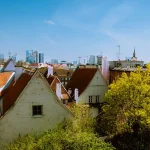
📷 Featured image by Margo Evardson on Unsplash.