On this page
- Why Tartu Beats Tallinn as a Day-Trip Base for Southern Estonia
- Otepää — Estonia’s Year-Round Outdoor Playground
- Võru and Seto Country — A Culture You Won’t Find Anywhere Else on Earth
- Viljandi — Hilltop Ruins, a Folk Festival, and One of Estonia’s Best Small-City Café Scenes
- Põlva and LakeÄhijärv — The Quiet Corner Most Visitors Skip
- Tartu’s Closest Nature Escape: Taevaskoda and the Ahja River Valley
- Getting Around Without a Car in 2026
- 2026 Budget Reality for Day Trips from Tartu
- Practical Timing — When to Go and How Long Each Trip Takes
- Frequently Asked Questions
💰 Click here to see Estonia Budget Breakdown
💰 Prices updated: October, 2026. Budget figures are estimates — always verify before travel.
Exchange Rate: $1 USD = €0.88
Daily Budget (per person)
Shoestring: €40.00 – €70.00 ($45.45 – $79.55)
Mid-range: €120.00 – €250.00 ($136.36 – $284.09)
Comfortable: €300.00 – €900.00 ($340.91 – $1,022.73)
Accommodation (per night)
Hostel/guesthouse: €15.00 – €40.00 ($17.05 – $45.45)
Mid-range hotel: €60.00 – €150.00 ($68.18 – $170.45)
Food (per meal)
Budget meal: €15.00 ($17.05)
Mid-range meal: €35.00 ($39.77)
Upscale meal: €100.00 ($113.64)
Transport
Single metro/bus trip: €2.00 ($2.27)
Monthly transport pass: €30.00 ($34.09)
Most visitors to Estonia still plan their day trips outward from Tallinn, which means the entire southern half of the country gets overlooked. If you’re based in Tartu in 2026, you’re actually sitting at the centre of Estonia’s most varied day-trip territory — ancient Seto villages, sandstone canyons, hilltop castle ruins, and two distinct lake districts are all within 90 kilometres. The problem has been that English-language information on these routes is scattered and often outdated. This guide puts it together in one place, with current transport options, realistic timing, and prices that reflect what you’ll actually pay this year.
Why Tartu Beats Tallinn as a Day-Trip Base for Southern Estonia
Tallinn gets the tourist infrastructure. Tartu gets the geography. From Tartu’s central bus station on Turu Street, you can reach Otepää in 45 minutes, Võru in about an hour, Viljandi in 90 minutes, and the Taevaskoda sandstone cliffs in under 40 minutes. Try doing any of those from Tallinn and you’re looking at two to three hours each way — which turns a relaxed day trip into an exhausting commute.
Southern Estonia is also structurally different from the north. The landscape is hillier, the forests are older, and the cultural identity is sharper. The Seto people in the southeast have their own language, their own polyphonic singing tradition, and a connection to the land that predates the Estonian nation-state. None of this is accessible from Tallinn without a full overnight stay. From Tartu, it’s an afternoon.
In 2026, the Tartu–Võru bus corridor has also been upgraded as part of the broader southeast Estonia mobility improvements tied to Rail Baltica preparation works. More on the specific options in the transport section below.
Otepää — Estonia’s Year-Round Outdoor Playground
Otepää is 47 kilometres south of Tartu and it functions as two completely different destinations depending on the season. In winter — roughly December through March — it becomes Estonia’s most serious cross-country skiing hub. The area around Tehvandi Sports Centre hosts international biathlon competitions, and the groomed trail network covers over 60 kilometres. The smell of pine resin and cold air on the Tehvandi trails on a clear January morning is one of those experiences that’s hard to communicate on a screen but stays with you for years.

In summer, the same hills around Lake Pühajärv turn into swimming, paddleboarding, and hiking territory. The lake is clean, relatively warm by late July (often 22–24°C), and surrounded by forest that buffers it from road noise. There are sandy beaches on the southern shore that fill up on weekends but stay manageable on weekdays.
The town itself is small — a single main street, a hilltop church, a handful of cafés. It’s not a destination for shopping or nightlife. What it offers is clean air, physical activity, and the kind of quietness that people come to Estonia specifically to find.
Getting there: Buses from Tartu bus station run frequently throughout the day — roughly every 1–2 hours. Journey time is 45–55 minutes. Return buses run until late evening, making this one of the easiest car-free day trips from Tartu.
Võru and Seto Country — A Culture You Won’t Find Anywhere Else on Earth
Võru is a small city, population around 12,000, sitting 75 kilometres southeast of Tartu. On its own it’s a pleasant enough stop — the town is built around Lake Tamula, which has a long waterfront promenade and good swimming in summer. But Võru’s real value as a day-trip destination is as a gateway into Seto country, which spreads southeast of the city toward the Russian border.

The Seto people are a Finno-Ugric group with their own distinct language (Võro-Seto, related to but clearly different from standard Estonian), their own Orthodox Christian traditions blended with indigenous folk belief, and a polyphonic choral tradition called leelo that UNESCO added to its intangible cultural heritage list. This isn’t a reconstructed heritage experience. Seto villages still have active cultural life, including the annual Seto Kingdom Day celebration held each August, where a king (the Ülemsootska) is symbolically elected and the community gathers in traditional silver-decorated dress.
The Seto Farm Museum at Värsska gives a grounded, unhurried look at how Seto families actually lived — the buildings are original, the explanations are available in English, and the staff know the culture from the inside. Värsska itself sits on the shore of Lake Peipus, which at over 3,500 square kilometres is one of the largest lakes in Europe. Standing at the lake’s edge on a grey autumn afternoon, with the water disappearing into fog and Russia somewhere on the far shore, has a particular weight to it that’s difficult to describe as anything other than genuinely affecting.
Getting there: Direct buses from Tartu to Võru run hourly and take about 70 minutes. Continuing to Värsska requires either a local bus (connections are limited) or a taxi from Võru — budget around €12–15 each way. A hire car makes this trip considerably more flexible.
Viljandi — Hilltop Ruins, a Folk Festival, and One of Estonia’s Best Small-City Café Scenes
Viljandi sits 90 kilometres northwest of Tartu and technically dips into central Estonia rather than the deep south, but it fits naturally into any day-trip itinerary from the city and deserves its own section rather than a footnote.

The town is built on steep hills around a medieval castle ruin overlooking Lake Viljandi. The ruins themselves are among the best-preserved Livonian Order fortifications in Estonia — not reconstructed, not turned into a theme park, just stone walls and arched doorways standing in a well-kept park that locals use daily for walking and picnicking. The suspension bridge crossing the castle moat is a genuinely enjoyable piece of engineering, and the view over the lake from the castle hill on a clear evening is striking.
In late July, Viljandi hosts the Viljandi Folk Music Festival, which since its founding in 1993 has grown into one of Northern Europe’s most respected world music events. The 2026 edition runs from July 23–27. The town’s population essentially doubles for the weekend, accommodation books out months in advance, and the festival spreads across outdoor stages, courtyards, and concert halls throughout the old town. If you’re in Tartu during late July, making the trip over for a single day of the festival is straightforward and well worth it.
Outside festival season, Viljandi’s café culture on and around Tartu Street punches well above the town’s size. Several specialty coffee spots have opened since 2023, and the atmosphere on a quiet weekday morning — warm light, the smell of fresh pastry, the unhurried pace of a town that isn’t trying to perform for tourists — is exactly what makes small Estonian cities worth visiting.
Getting there: Buses run from Tartu to Viljandi several times daily. Journey time is approximately 1 hour 40 minutes. Direct connections are available; check the Tpilet.ee or Elron apps for current schedules.
Põlva and LakeÄhijärv — The Quiet Corner Most Visitors Skip

Põlva is 50 kilometres south of Tartu, small (population around 5,500), and receives a fraction of the visitors that go to Otepää or Viljandi. This is, in many ways, the point. The Põlva region offers a concentrated version of what makes southern Estonia appealing — wooded hills, clean lakes, and no particular pressure to experience anything in a structured way.
Lake Ahijärv, a few kilometres from the town centre, is one of the cleaner swimming lakes in the region and has a proper sandy beach with facilities. The walking trails around the lake circuit the shore through mixed forest, and the whole loop takes about two hours at an easy pace. On a summer morning when the mist is still burning off the water and you’re the only person on the trail, this is what “off the beaten path” actually means rather than just being a phrase.
The town itself has a well-regarded open-air museum — the Põlva Farm Museum — which focuses on 19th-century southeastern Estonian rural life. It’s compact and can be covered in about 90 minutes, which makes it a sensible pairing with the lake for a full day out.
Getting there: Regular buses connect Tartu and Põlva in about 50–60 minutes. The lake is walkable from the town centre, making this one of the more car-free-friendly day trips in the region.
Tartu’s Closest Nature Escape: Taevaskoda and the Ahja River Valley
For the days when you want nature without logistics, Taevaskoda is the answer. Located 35 kilometres southeast of Tartu along the Ahja River, the Taevaskoda (“Sky Cathedral”) sandstone cliffs are the most striking geological feature in southern Estonia and require almost no planning to visit.
The cliffs rise up to 22 metres above the river bend, their orange-red sandstone carved over millennia into overhangs, caves, and smooth vertical faces. The Ahja River runs clear and cold below — you can hear it before you see it when you come down through the forest. The main viewpoint is about a 10-minute walk from the car park, but the proper experience is the 4-kilometre loop trail that follows the river bend, passes both the upper and lower cliff formations, and returns through old pine forest. Spring is particularly good here: the river is high, the forest smells of wet earth and pine needles, and the cliffs show their full colour without the summer crowds.

Taevaskoda is a popular local picnic spot and fills up on summer weekends. Arriving before 10:00 or visiting on a weekday keeps it manageable. There’s a small café at the main car park that serves coffee and basic snacks.
Getting there: The most convenient car-free option is the bus to Põlva, which stops at or near Ahja village — from there it’s a short walk or taxi to the trails. Alternatively, several Tartu-based tour operators run half-day nature trips to Taevaskoda, which is a sensible option if you want a guide.
Getting Around Without a Car in 2026
The honest answer is that a hire car significantly expands your options in southern Estonia. The bus network covers the main corridors reliably, but villages like Värsska or the remote parts of the Seto region require either a car, a taxi, or accepting that some things are out of reach on a given day.
That said, the car-free options are better in 2026 than they were two years ago. Key updates:
- Tartu–Otepää–Võru corridor: Upgraded timetabling since late 2025 means more frequent connections on weekdays, with the last return bus from Võru arriving in Tartu after 21:00.
- Elron regional trains: The Tartu–Viljandi rail connection remains indirect (requiring a change at Lelle), but the Elron app now handles combined rail-bus ticketing in a single booking, which simplifies planning considerably.
- Bolt in regional towns: Bolt taxis operate reliably in Võru, Põlva, and Viljandi. In smaller villages, pre-booking is essential — ride availability can be sparse if you turn up expecting an immediate pickup.
- Hire cars from Tartu: All major Estonian hire companies have desks at Tartu Airport and in the city centre. Rates in 2026 average €35–55 per day for a compact car, with unlimited mileage standard on most domestic rentals.

For Taevaskoda and Otepää, public transport works well enough that most travellers without a car won’t feel limited. For Seto country or any itinerary combining multiple small-village stops in a single day, a hire car is worth the cost.
2026 Budget Reality for Day Trips from Tartu
Prices across southern Estonia remain lower than Tallinn and significantly lower than comparable destinations in Finland or Latvia. The following covers a full day out including transport, entry fees, and food.
Budget (under €30 per person per day)
- Return bus to Otepää or Põlva: €6–9
- Packed lunch or supermarket stop in town: €5–8
- Most nature sites (Taevaskoda, Otepää trails, Põlva lake): free entry
- Coffee stop: €3–4
Mid-Range (€30–65 per person per day)
- Return bus or shared taxi to Võru/Viljandi: €10–16
- Museum entry (Seto Farm Museum, Põlva Farm Museum): €5–8 per site
- Lunch at a local restaurant: €12–18 per person
- Equipment rental in Otepää (ski or paddleboard): €15–25
Comfortable (€65–120 per person per day)
- Hire car for the day (split between 2 people): €18–28 per person
- Guided nature or cultural tour: €35–55 per person
- Dinner at a sit-down restaurant in Viljandi or Võru: €20–30 per person
- Festival tickets for Viljandi Folk (day pass, 2026): €45–55
Accommodation in the region — if you decide to extend a day trip into an overnight — runs €45–90 per night for a guesthouse and €90–160 for a better hotel or spa resort around Otepää.

Practical Timing — When to Go and How Long Each Trip Takes
Southern Estonia is genuinely a four-season destination, but each trip has an optimal window:
- Taevaskoda: April–May for high water and spring colour; avoid July weekends if you want solitude. Full day allows a relaxed visit; half-day is enough if you’re combining it with Põlva.
- Otepää: January–March for skiing; late June through August for lake swimming. Budget a full day for either season to justify the round trip.
- Võru and Seto country: August for the Seto Kingdom Day celebration; June–September for comfortable outdoor exploration. This is a full-day trip at minimum — don’t attempt it as a half-day.
- Viljandi: Late July for the folk festival; May–September otherwise for the best outdoor café and castle ruins experience. The 90-minute each-way journey means an early start is worth it.
- Põlva and Lake Ahijärv: June–August for swimming; autumn (September–October) for forest colour on the lake trail. Can be combined with Taevaskoda for a full day if you have a car.
A practical note on daylight: in June, southern Estonia has around 18 hours of usable daylight, which means you can comfortably do two stops in a single day. In December, you’re working with 6–7 hours of light, so plan accordingly and prioritise a single destination rather than trying to combine stops.
Frequently Asked Questions
What is the easiest day trip from Tartu for first-time visitors?
Otepää is the most straightforward. Buses run frequently, the journey takes under an hour, and the destination works in every season — skiing in winter, lake swimming in summer. No hire car is needed, entry to most outdoor areas is free, and the return journey is reliable throughout the day.

Can I do a day trip to Seto country from Tartu without a car?
Technically yes, but it’s limiting. Buses reach Võru easily, but getting further into the Seto villages around Värsska requires a local bus with infrequent service or a taxi. A hire car or joining a guided tour from Tartu gives you significantly more freedom and is strongly recommended if Seto culture is your main interest.
When is the Viljandi Folk Music Festival in 2026?
The 2026 Viljandi Folk Music Festival runs July 23–27. Day passes cost approximately €45–55. Accommodation in Viljandi books out months in advance during festival week, but day-tripping from Tartu on a single festival day is entirely practical — buses and private transport handle the 90-kilometre journey well.
Is it worth renting a car for day trips from Tartu?
For Otepää, Põlva, and Taevaskoda, public transport is sufficient. For Seto country, a combined Viljandi-plus-lake-district day, or any itinerary with multiple stops, a hire car is worth it. Tartu hire car rates in 2026 average €35–55 per day, which splits reasonably between two or more travellers.
What is the best time of year to visit southern Estonia from Tartu?
June through August offers the longest days and warmest lake temperatures. Late July adds the Viljandi Folk Festival. Winter (January–March) is excellent specifically for Otepää’s ski trails. Autumn — particularly September and October — brings forest colour and far smaller crowds at every destination in the region.
Explore more
The Ultimate Tartu Food Guide: Where to Eat, Drink, and Indulge
Where to Find the Best Shopping in Tartu: Souvenirs, Handicrafts & Local Gems
Your Guide to the Best Day Trips from Tartu: Otepää, Setomaa & Beyond
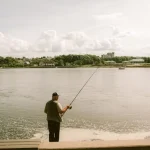
📷 Featured image by Jacques Bopp on Unsplash.