On this page
- Tartu Market Hall: The Heart of Local Shopping
- Outdoor Stalls and Seasonal Produce
- Christmas and Festival Markets
- Craft and Design Shopping: Aparaaditehas, Karlova and the Old Town
- Malls for Rainy Days: Tasku, Kvartal and Lõunakeskus
- 2026 Shopping Budget: What Things Cost
- Practical Shopping Tips for 2026
- Frequently Asked Questions
💰 Click here to see Estonia Budget Breakdown
💰 Prices updated: October, 2026. Budget figures are estimates — always verify before travel.
Exchange Rate: $1 USD = €0.88
Daily Budget (per person)
Shoestring: €40.00 – €70.00 ($45.45 – $79.55)
Mid-range: €120.00 – €250.00 ($136.36 – $284.09)
Comfortable: €300.00 – €900.00 ($340.91 – $1,022.73)
Accommodation (per night)
Hostel/guesthouse: €15.00 – €40.00 ($17.05 – $45.45)
Mid-range hotel: €60.00 – €150.00 ($68.18 – $170.45)
Food (per meal)
Budget meal: €15.00 ($17.05)
Mid-range meal: €35.00 ($39.77)
Upscale meal: €100.00 ($113.64)
Transport
Single metro/bus trip: €2.00 ($2.27)
Monthly transport pass: €30.00 ($34.09)
Prices in Estonian shops have climbed since the VAT increase in mid-2025, and many visitors now ask the same thing: where can I shop in Tartu without overpaying for things made in a factory far away? The answer is simple. Skip the souvenir racks, and head to the market stalls, the craft studios and a few local-only streets. Tartu is compact, so you can cover all of it on foot in two days.
Tartu Market Hall: The Heart of Local Shopping
The covered market hall, near the Emajõgi river and a short walk from Town Hall Square, is where Tartu residents do their real shopping. Go in the morning, when the stalls are full and the regulars are chatting with the sellers. The air smells of smoked fish, fresh dill and warm rye bread, and the floor is busy with shoppers pulling little wheeled trolleys.
Inside, the stalls fall into rough zones. Dairy sellers offer farm cottage cheese, sour cream and sweet curd snacks (kohuke). Butchers and fish sellers sell smoked sprats, smoked bream and cured meats you can eat the same day. Bakers sell dense dark rye bread, cardamom buns and sweet-sour kringel pastries.
Good things to buy here and carry home:
- Local honey: Estonian honey is usually mild and creamy, and sellers will let you taste it first.
- Dried mushrooms and herbs: light, cheap and easy to pack.
- Rye bread: it keeps for several days, so it is a good gift if you are not flying far.
- Homemade jams and pickles: look for sea buckthorn, blackcurrant and lingonberry.
Do not be shy about asking for a taste. Most sellers expect it and will cut you a slice of cheese or sausage without any pressure to buy.
Outdoor Stalls and Seasonal Produce
Around the market hall, open-air stalls change with the season, and this is where Tartu feels most Estonian. Estonia has short summers, so produce arrives in waves and sells fast.
- Late spring: rhubarb, radishes, young greens and potted herbs.
- June to July: strawberries, early potatoes with dill, and fresh peas.
- July to August: blueberries, raspberries, currants and cucumbers.
- August to October: wild chanterelles, porcini, cranberries and apples from small orchards.

Buy berries by the cup or litre and eat them while walking. Sun-warmed strawberries from a plastic tub, with juice running down your wrist, are one of the best cheap things you can do in Tartu in July. In autumn, ask sellers which forest the mushrooms came from. They usually answer with pride.
Out of season, the outdoor area also has stalls for knitted socks, mittens, wool hats and linen cloths. Handmade wool pieces are warmer and better made than anything in a tourist shop, so they are worth buying if you visit in winter.
Christmas and Festival Markets
From late November, Tartu Town Hall Square turns into a Christmas market. Wooden huts sell mulled wine (glögi), roasted nuts, sheepskin slippers, candles and ceramic mugs, and the smell of cinnamon and woodsmoke hangs over the cobblestones. On a snowy evening, the lights reflect on the wet stones and the whole square glows. It feels smaller and calmer than Tallinn’s Christmas market, and it is easier to move around in.
Summer brings its own events. Tartu hosts city festivals with craft stalls, and the open-air spaces near the river and in the old town sometimes host pop-up fairs. Dates change from year to year, so check the official Tartu city events page before you plan around one.
If you shop at a festival stall, look for the maker, not the reseller. A genuine crafter will tell you how the piece was made. A reseller usually cannot.
Craft and Design Shopping: Aparaaditehas, Karlova and the Old Town
Aparaaditehas
This former factory complex in the Karlova district is now a creative hub with studios, small shops, galleries and cafés. It is the place to find locally designed ceramics, prints, textiles and jewellery. Some studios open only on certain days, and pop-up markets appear from time to time, so check the schedule before you go. Allow at least two hours, and finish with coffee in one of the courtyard cafés.
Karlova
Karlova is a quiet neighbourhood of wooden houses and old gardens. There is little formal shopping here, but a walk through it between Aparaaditehas and the centre shows you a calmer side of Tartu.
Old town streets
Around Town Hall Square and the streets leading off it, small independent shops sell secondhand books, vinyl records, Estonian design clothing and handmade soaps. The University of Tartu is nearby, so bookshops here are especially good. Look for Estonian-language art books with strong photography, which are often very good value.

Malls for Rainy Days: Tasku, Kvartal and Lõunakeskus
Tartu weather can turn quickly, especially from October to March. When it does, the malls are practical rather than exciting, but each has a purpose.
- Tasku: in the city centre, with fashion chains, electronics, a supermarket and plenty of places to eat. It is the easiest to reach on foot.
- Kvartal: a modern centre near the river with shops, services and cafés. It is good for a short, easy stop if you are already in the centre.
- Lõunakeskus: the largest mall in southern Estonia, a little outside the centre. It has a bigger range of stores, a cinema and a wide food court. Take a bus or taxi, and use it when you need something specific like outdoor gear or winter boots.
For Estonian brands, look for wool, linen and outerwear made in the Baltics. They tend to cost more than imported high-street fashion, but they last much longer.
2026 Shopping Budget: What Things Cost
These are typical price ranges in EUR for 2026. Prices at stalls vary by season and by seller.
Budget (under €20 a day on shopping)
- Fresh berries (a cup or small tub): €3–€6
- Rye bread loaf: €2–€4
- Smoked fish snack: €4–€8
- Jar of local honey (around 500 g): €6–€9
- Secondhand book: €2–€8
Mid-range (€20–€60)
- Handmade wool socks or a hat: €15–€35
- Ceramic mug from a local studio: €15–€30
- Linen tea towel or small textile: €12–€25
- Jar of sea buckthorn or lingonberry preserve: €5–€9
- Printed art from a local designer: €15–€40
Comfortable (€60 and up)
- Hand-knitted wool mittens or a scarf: €35–€70
- Designer ceramics or a larger handmade piece: €50–€150
- Estonian-made outerwear or wool coat: €120–€300+
- Original artwork from a local gallery: €100 and up
Practical Shopping Tips for 2026
Most things have become easier since 2024, but a few details are still worth knowing.
- Payments: Almost every shop in Tartu takes contactless cards and phone payments. Some small market sellers still prefer cash, so carry €20–€30 in small notes and coins.
- VAT refunds: If you live outside the EU, you can claim a VAT refund on larger purchases, but only in shops that offer tax-free shopping. Ask at the till and keep your passport with you. The minimum spend is low, around €38.
- Opening hours: The market hall is busiest in the morning and often closes in the afternoon, with shorter hours on Sunday. Many small shops close early on Sunday, and some close fully. Check hours before a long walk.
- Getting around: The centre is flat and walkable. For Lõunakeskus, use a city bus or a ride-hailing app. In summer, the city bike scheme is a quick way to link the market hall, the old town and Aparaaditehas.
- Carrying food: Dairy and smoked fish need a cool bag if you are travelling for several hours. Ask the seller to pack them tightly, and do not leave them in a warm car.

Frequently Asked Questions
When is the best time to visit Tartu markets?
Saturday morning, before 10:00, is the best time. Stalls are full, the produce is freshest and locals are shopping. Summer and early autumn give the widest choice of berries and mushrooms, while late November to December brings the Christmas market on Town Hall Square.
What should I buy at Tartu Market Hall?
Buy local honey, rye bread, smoked fish, farm cheese, jams, dried mushrooms and herbs. These are fresh, good value and typically Estonian. For gifts, honey and preserves travel best, while handmade wool items from outdoor stalls are good for winter visitors.
Do Tartu market stalls accept cards?
Many do, especially inside the market hall and in the malls, but some small outdoor sellers still prefer cash. Carry €20–€30 in small notes and coins so you can buy berries, mushrooms or a jar of honey without trouble.
Is Tartu cheaper than Tallinn for shopping?
Often, yes, especially for food and everyday goods at the market. Handmade items and local crafts can also feel better value because there are fewer tourist-focused shops. Prices for mall brands are similar in both cities, as most chains charge the same everywhere.
Can I claim a VAT refund when shopping in Tartu?
Yes, if you live outside the EU and buy from a shop that offers tax-free shopping. Ask at the till, show your passport and keep the receipt and form. The minimum purchase is around €38. Market stalls rarely offer refunds, so this mainly applies to larger shops.
Explore more
Your Essential Tartu Travel Guide: Top Tips for a Memorable Trip
Navigating Tartu: A Local’s Guide to Public Transport
Where to Find the Best Shopping in Tartu: Souvenirs, Handicrafts & Local Gems
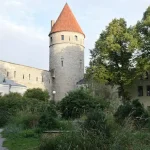
📷 Featured image by Margo Evardson on Unsplash.