On this page
- Viru Keskus and Ülemiste — Tallinn’s Main Malls Explained
- The Old Town Shopping Trap (and How to Navigate It)
- Balti Jaama Turg — The Market Worth Getting Up Early For
- Independent Boutiques and Estonian Design Shops
- What to Actually Buy in Tallinn (and What to Skip)
- 2026 Budget Reality — What Shopping Costs in Tallinn
- Practical Shopping Tips for 2026
- Frequently Asked Questions
💰 Click here to see Estonia Budget Breakdown
💰 Prices updated: October, 2026. Budget figures are estimates — always verify before travel.
Exchange Rate: $1 USD = €0.88
Daily Budget (per person)
Shoestring: €40.00 – €70.00 ($45.45 – $79.55)
Mid-range: €120.00 – €250.00 ($136.36 – $284.09)
Comfortable: €300.00 – €900.00 ($340.91 – $1,022.73)
Accommodation (per night)
Hostel/guesthouse: €15.00 – €40.00 ($17.05 – $45.45)
Mid-range hotel: €60.00 – €150.00 ($68.18 – $170.45)
Food (per meal)
Budget meal: €15.00 ($17.05)
Mid-range meal: €35.00 ($39.77)
Upscale meal: €100.00 ($113.64)
Transport
Single metro/bus trip: €2.00 ($2.27)
Monthly transport pass: €30.00 ($34.09)
Tallinn gets a lot of first-time visitors who waste half a day browsing overpriced amber jewellery in the Old Town before realising there’s a whole city of actual shops outside the medieval walls. In 2026, Tallinn’s shopping scene has matured — there are genuine Estonian design labels worth knowing, a market that locals treat as a weekly ritual, and malls that function as real neighbourhood anchors rather than tourist overflow zones. This guide cuts straight to where to go, what to buy, and what to leave on the shelf.
Viru Keskus and Ülemiste — Tallinn’s Main Malls Explained
Tallinn has two malls that actually matter for visitors, and they serve completely different purposes.
Viru Keskus sits directly above Viru tram and bus stop, connected to the Old Town by a short walk down Viru Street. It’s the most central shopping option in the city. The six-floor mall houses Zara, Reserved, COS, Sportland, and a well-stocked Rahva Raamat bookshop on the top floor — one of the best in the Baltics for English-language titles on Estonian culture, history, and fiction in translation. The basement food hall has improved significantly since 2024 with a rotation of local food vendors alongside the standard supermarket. Parking exists but is genuinely unnecessary — tram lines 1, 3, and 4 all stop outside.
Ülemiste Keskus, about 4 kilometres southeast near the airport, is the largest mall in Estonia. If you need IKEA-style home goods, a wide electronics selection from Euronics, or international sports brands under one roof, this is where to go. It’s also connected to the airport terminal by a covered walkway, which makes it useful on arrival or departure days. The Ülemiste City tech district nearby has brought a younger, more local crowd into this area, and the food court reflects that — less fast food chain dominance than a few years ago.
The Old Town Shopping Trap (and How to Navigate It)
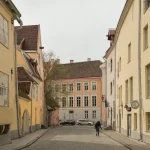
The Old Town is not a shopping destination — it’s a sightseeing destination that happens to have shops in it. That distinction matters. The majority of retail on Viru, Pikk, and Müürivahe streets sells things made nowhere near Estonia: mass-produced linen printed in Latvia, amber sourced from Lithuania or Poland, and wooden toys that come in on container ships. Prices run 30–50% higher than identical items sold elsewhere.

That said, there are genuine exceptions worth knowing.
- Müürivahe Street (the “Sweater Wall”) — local knitters, most of them elderly women, set up along the old city wall selling hand-knitted wool socks, mittens, and hats. Prices are honest (€8–€25 for most items), the work is genuinely handmade, and buying here directly supports individual makers. The stalls run roughly from April through October, weather depending.
- Reval Café and Maiasmokk — if you want traditional Estonian marzipan, Maiasmokk on Pikk Street has been making it since 1864. The marzipan figurines (€3–€12) make compact, non-fragile gifts that survive luggage.
- Katariina käik (St Catherine’s Passage) — a narrow medieval alley between Müürivahe and Vene streets, home to a handful of craft workshops where artists actually work on-site. You’ll find ceramics, bookbinding, glasswork, and textile art. Not cheap, but authentic.
The rule for Old Town shopping: if it has a rack of fridge magnets and a sign in four languages, walk past it.
Balti Jaama Turg — The Market Worth Getting Up Early For
Balti jaama turg (Baltic Station Market) sits directly next to Balti jaam, Tallinn’s main railway terminal. It’s a covered market that was renovated and expanded in the mid-2010s, and it remains one of the most honest, unpretentious places to shop in the entire city.
The market runs every day, but Saturday mornings between 8am and noon are when it’s at its best. Local farmers bring in seasonal produce — in summer, that means strawberries so ripe the smell hits you at the entrance, buckets of chanterelle mushrooms still carrying forest soil, and braided bunches of garlic. In autumn, it shifts to root vegetables, dried herbs, and wild berry preserves in unlabelled jars that taste nothing like anything you’ll find in a supermarket.
Beyond food, the market has a clothing and household goods section that functions more like an indoor flea market. Old Soviet-era enamelware, vintage Estonian linen, Soviet pins, and pre-owned winter coats are common finds. Prices are negotiable, and English is spoken patchily — bring patience and a pointing finger.
The covered hall also has a row of small food stalls where you can eat a full hot lunch for under €6. The Georgian khinkali dumplings and the local pea soup both hold up well as fast, filling options mid-shop.

Independent Boutiques and Estonian Design Shops
Estonian design has a genuine identity — rooted in natural materials, understated colour palettes, and functional craftsmanship. In 2026, several local labels have consolidated their presence in the city with proper retail space, not just online shops.
- Ivo Nikkolo — Estonia’s most established fashion label, with a flagship store on Viru Street. Clean, tailored clothing made to last. Not budget, but priced fairly for the quality (jackets €150–€350).
- Kalevipood — the retail outlet for Kalevipoeg, Estonia’s heritage knitwear brand. Wool sweaters, socks, and accessories in traditional patterns. Prices run €30–€90 for most garments. Located in Ülemiste Keskus and online.
- Tali — a women’s clothing brand with a studio-shop in the Telliskivi Creative City district. The silhouettes are architectural and distinctly Baltic. Expect €80–€200 for a piece.
- Nukupood — a small toy and design shop near Telliskivi that sells Estonian-made wooden toys, children’s books in Estonian and English, and locally designed stationery. A useful stop if you’re shopping for children.
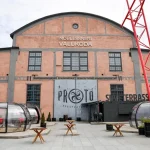
- Telliskivi Creative City (Telliskivi Loomelinnak) itself deserves a separate mention. The old factory complex on Telliskivi Street hosts around 20 small independent shops alongside cafés, studios, and a weekend flea market. The atmosphere is entirely different from the Old Town — relaxed, local, unhurried.
What to Actually Buy in Tallinn (and What to Skip)
Buy: hand-knitted wool items (Müürivahe wall sellers), Estonian marzipan, local craft spirits (Vana Tallinn liqueur, or the newer small-batch gins from producers like Kopli Distillery), natural linen made in Estonia or Latvia (check the label), ceramics from Katariina käik workshops, and dark rye bread from a local bakery if you’re driving home — the dense, slightly sour loaves from Leibur or Fazer are everyday grocery items here but difficult to find abroad.
Skip: “handmade” amber sold without provenance, generic Baltic linen from China, anything branded “Viking” (historically irrelevant to Estonians), and mass-market souvenirs in the Old Town’s main tourist corridors.
Estonian grocery items worth buying to take home include: Kalev chocolate (affordable, good quality), various berry jams, and the black rye crispbread (leib) that packs flat and keeps well.
2026 Budget Reality — What Shopping Costs in Tallinn
Tallinn is no longer a bargain destination in the way it was a decade ago. Prices have risen steadily, and in tourist-heavy zones they match or exceed Western European levels. That said, local markets and independent shops remain noticeably more reasonable than equivalent retail in Helsinki or Stockholm.

- Budget tier: Balti jaama turg produce (€1–€4 per item), Müürivahe knitted socks (€8–€15), supermarket chocolate and spirits (€4–€12), second-hand clothing at the flea market (€2–€20)
- Mid-range tier: Estonian design clothing at Telliskivi boutiques (€40–€150), Kalevipoed knitwear (€30–€90), ceramics from Katariina käik (€25–€80), quality linen items (€35–€120)
- Comfortable tier: Ivo Nikkolo tailored pieces (€150–€350), bespoke jewellery from Old Town craft studios (€100–€500+), premium Estonian spirits gift sets (€40–€80)
VAT in Estonia is 22% as of 2026, included in all displayed prices. Non-EU visitors can claim VAT refunds on purchases over €38 at participating shops — look for the “Tax Free” sign and ask for the form at the till. Tallinn Airport has a refund desk airside.
Practical Shopping Tips for 2026
Opening hours: Most Tallinn shops open at 10am and close between 7pm and 9pm on weekdays. Malls typically run until 9pm or 10pm. Balti jaama turg opens from around 7am. Sunday hours are generally shorter — 11am to 6pm is a common pattern for independent shops, and some boutiques in Telliskivi are closed Monday.
Payment: Card payment is accepted almost universally, including at market stalls and small vendors. Cash (euros) is still useful at Balti jaama turg, particularly with older sellers at the flea market section. Contactless payment via phone works everywhere cards do.
Language: English is spoken confidently by most retail staff under 40. In the market, English is patchier but not a barrier for basic transactions.
Bags: Estonia charges for plastic bags at checkout (€0.05–€0.10). Bring a reusable bag if you plan to shop at the market or supermarket — it’s a small thing, but locals notice.
Timing: The Telliskivi weekend flea market runs Saturday and Sunday mornings. The Old Town gets congested between 11am and 3pm in summer — if you plan to shop there, go before 10am or after 4pm for a calmer experience.
Frequently Asked Questions
What is the best souvenir to buy in Tallinn?
Hand-knitted wool items from the Müürivahe Street sellers are the most genuinely local option — made by hand, fairly priced, and useful. Estonian marzipan from Maiasmokk is compact and travels well. Both are far more representative of Tallinn than amber or generic Baltic linen sold in tourist shops.
Is shopping in Tallinn’s Old Town worth it?
For most retail, no — Old Town prices are inflated and many products are not locally made. The exceptions are the Müürivahe knitters, Maiasmokk marzipan, and the craft workshops in Katariina käik. For serious shopping, Telliskivi Creative City and Balti jaama turg deliver far better value and authenticity.

What are the best shopping malls in Tallinn?
Viru Keskus is the most convenient for visitors, sitting right next to the Old Town with good tram connections. Ülemiste Keskus is larger and better for electronics, home goods, and a wider range of international brands. It connects directly to the airport terminal, making it useful on travel days.
Can I get a VAT refund on shopping in Tallinn?
Yes, if you are a non-EU visitor. The minimum purchase threshold is €38 at a single participating shop. Ask for the Tax Free form at checkout. Tallinn Airport has a VAT refund desk in the departure hall airside. Keep receipts and have goods accessible for inspection if requested at the border.
When is Balti jaama turg at its best?
Saturday mornings between 8am and noon are the peak time — the widest selection of local farmers and seasonal produce, plus more activity in the flea market section. Weekday visits are quieter and still worthwhile for produce, but the atmosphere and range are noticeably reduced compared to Saturday.
Explore more
The Ultimate Guide to Shopping in Tallinn: Where to Find Everything You Need
Where to Find the Best Shopping in Tallinn: Markets, Malls, and Souvenirs
The Ultimate Guide to Tallinn Nightlife: Where to Party Until Dawn
📷 Featured image by Margo Evardson on Unsplash.