On this page
- The Estonian Song and Dance Festival: A Nation Singing as One
- Jaanipäev: Midsummer the Way Estonians Actually Celebrate It
- Viljandi Folk Music Festival: Estonia’s Most Beloved Summer Gathering
- Tallinn Music Week: Where Estonian Culture Meets the International Music World
- Pärnu Film Festival: Baltic Cinema on the Summer Coast
- Smaller Festivals That Reward the Curious
- 2026 Budget Reality: What Estonian Festivals Actually Cost
- Practical Realities: Getting the Most from Estonian Festivals
- Frequently Asked Questions
Most visitors to Estonia spend their time in Tallinn’s Old Town, and it’s genuinely beautiful — but it can also feel like a polished museum piece, optimised for tourists rather than Estonians. The real cultural pulse of this country beats loudest at its festivals and communal celebrations, events where locals actually show up, let their guard down, and share something they care about deeply. In 2026, with Rail Baltica construction reshaping transit routes and a bumper year for Estonian cultural anniversaries, planning around these events takes a little more thought than it used to. This guide gives you what you need.
The Estonian Song and Dance Festival: A Nation Singing as One
There are festivals, and then there is Laulupidu. The Estonian Song Festival is not simply a concert — it is the event that Estonians credit with keeping their national identity alive through Soviet occupation. The tradition began in 1869, and the modern version brings together up to 30,000 choir singers performing together on the Tallinn Song Festival Grounds, with an audience of 80,000 to 100,000. If you have never stood in that crowd and felt the ground vibrate with tens of thousands of voices singing “Mu isamaa, mu õnn ja rõõm” — you have not yet understood Estonia.
The festival runs in a cycle. The full Laulupidu and Tantsupidu (Dance Festival) combination happens every five years, with the next major combined event scheduled for 2025, and smaller or regional editions filling the years between. In 2026, several regional song festivals are planned across the country, which are actually more accessible and more intimate than the main Tallinn event. Regional festivals in places like Viljandi, Tartu, and Haapsalu let you stand within a few metres of the performers, rather than watching from a distant grandstand.
What the Song Festival represents culturally is hard to overstate. The “Singing Revolution” of 1987–1991, when Estonians peacefully sang their way toward independence, is not distant history for people here — it is living memory. Older Estonians will often tear up during the final songs. The air smells of pine resin from the decorated stages and the faint sweetness of linden trees that border the festival grounds in summer. Standing in that crowd, you are participating in something that has genuine weight.
For any regional 2026 editions, check the Eesti Laulupidu website (the official portal) for updated schedules. Tickets for the grandstand sections are typically €15–€35, but standing areas on the festival grounds are often free or low-cost.
Jaanipäev: Midsummer the Way Estonians Actually Celebrate It
June 23rd is Jaaniõhtu (Midsummer Eve) and June 24th is Jaanipäev, a public holiday. This is the most important celebration in the Estonian calendar that has nothing to do with Christianity or Soviet-era tradition — it is older than both. In 2026, the dates fall on a Monday and Tuesday, which means the weekend before will see Estonians loading cars and heading to the countryside, the islands, or lakeside properties from Friday afternoon onward.
What actually happens: a bonfire is lit. Not a bonfire in the park-approved, safety-railed sense, but a serious fire built from birch logs and garden brush that can reach three or four metres high. The smoke drifts through the white midsummer night — it barely gets dark in Estonia in late June — and people stand around it, drinking beer or homemade kali (a mildly fermented rye drink), grilling sausages on sticks, and talking until 2 or 3 in the morning when the sky is still a deep blue rather than black.

Regional differences matter here. On the islands of Saaremaa and Hiiumaa, Jaanipäev celebrations tend to be larger community events with traditional games, maypole-adjacent decorations, and longer musical traditions. On the mainland, it is more likely to be a private family or friend gathering at someone’s summer house (suvila). In Setomaa in southeastern Estonia, Jaanipäev intersects with distinct Seto cultural traditions that give the celebrations a different character entirely.
If you are a visitor without local connections, the best way to experience Jaanipäev authentically is to join one of the publicly organised celebrations in smaller towns rather than the Tallinn versions, which can feel curated for tourists. Towns like Otepää, Võru, and Haapsalu run community bonfires that are genuinely attended by locals.
Viljandi Folk Music Festival: Estonia’s Most Beloved Summer Gathering
Every July, the town of Viljandi — a compact, hilly place of about 17,000 people in central Estonia — fills up to three times its normal population for four days. The Viljandi Folk Music Festival, held since 1993, has become the festival that Estonians themselves are most likely to call their favourite. It is not the biggest event in the country, but it has a quality of atmosphere that is difficult to manufacture: relaxed, genuinely communal, and rooted in actual folk traditions rather than a staged version of them.
The music spans Estonian traditional song (regilaul — ancient runic singing), Baltic folk fusion, Nordic acoustic acts, and international performers who connect somehow with the broader folk world. What makes Viljandi different from a typical world music festival is that Estonian folk music is not presented as heritage on display. It is living, it is evolving, and the younger Estonian musicians here are doing things with it that would surprise anyone who assumes folk music means acoustic guitar and nostalgia.

The festival grounds spread across the old castle ruins and surrounding park areas. The physical sensation of the place is particular: you might be watching a performance on a candlelit indoor stage that smells of old wood and candle wax, then step outside to hear another act drifting from an open-air stage across the valley, while someone sells grilled elk sausages from a cart five metres away. Children run between adults. Nobody is particularly hurrying anywhere.
In 2026, the festival runs from late July (typically the last full weekend of the month — check viljandifestival.ee for confirmed dates). Day passes typically run €35–€55. Full four-day passes sell out early, often by March. Camping on-site is available and strongly recommended over commuting from Tartu or Tallinn, because the late-night sessions — informal jam sessions that run until dawn — are where the real magic happens.
Tallinn Music Week: Where Estonian Culture Meets the International Music World
While Viljandi looks inward and celebrates Estonian roots, Tallinn Music Week (TMW) deliberately faces outward. Held each spring — usually late March or early April — TMW has grown since its founding in 2009 into one of Northern Europe’s most respected music industry conferences and showcase festivals. In 2026, it takes on additional significance as Estonian acts continue to gain ground in Scandinavian and broader European markets.
What this means practically for a cultural visitor: TMW gives you access to Estonian bands you would never encounter otherwise, performing in Tallinn’s actual music venues rather than tourist-facing stages. The showcase programme runs across 20-plus venues throughout the city — basement clubs in Kalamaja, converted factory spaces in Ülemiste, and proper concert halls near the Old Town. A festival wristband gets you into most of them.

The conference side (industry panels, artist meetups) is less relevant unless you work in music, but the evening showcase programme is open to anyone. Estonian acts across jazz, indie rock, electronic music, and experimental genres all use TMW as a launch platform. Several artists who are now internationally recognised — including acts who have gone on to Eurovision and Eurosonic — had their first significant audiences at TMW.
The urban texture of TMW is different from the summer festivals. You are moving through Tallinn’s neighbourhoods on cold spring nights, ducking into warm venues that smell of spilled beer and stage cables, catching sets by artists you have never heard of and sometimes being genuinely astonished. That discovery element is the point.
Pärnu Film Festival: Baltic Cinema on the Summer Coast
Pärnu hosts Estonia’s most significant film festival each July, focused on documentary and anthropological film. The Pärnu International Documentary and Anthropology Film Festival has been running since 1987 — it began during the Soviet period, which gives it a particular history around documentary truth-telling and witness — and in 2026 continues to be the place where Baltic and Nordic documentary filmmaking gets serious attention.
This is not a celebrity-driven event. There are no red carpets aimed at international press. What there is: serious films, serious discussion, and an audience that is a mix of Estonian filmmakers, international documentary professionals, and culturally curious visitors who want more from a beach town than sand and ice cream. Pärnu in July combines genuine seaside charm with the intellectual energy of a focused film community.
Screenings happen in the town’s main cinema and in temporary outdoor venues when weather allows. Tickets for individual screenings are typically €5–€8. The festival also programmes Estonian short films and student work, which gives you a window into what the next generation of Estonian storytellers is thinking about — which is often surprisingly direct and political.

The cultural significance extends beyond cinema: Pärnu’s festival circuit in July also includes jazz events, outdoor concerts, and the broader summer festival season that makes the town worth visiting even if documentary film is not your primary interest.
Smaller Festivals That Reward the Curious
Estonia’s festival calendar in 2026 includes several events that get less international attention but offer more authentic access to specific corners of Estonian culture.
Setomaa Kingdom Day (Seto Kuningriigi Päev)
Held each August in the Setomaa region of southeastern Estonia, this one-day event is where the Seto people — an indigenous Estonian sub-group with their own language dialect, polyphonic singing tradition, and distinct folk costume — elect their symbolic king (ülemsootska) and celebrate their culture. The Seto leelo choral tradition is a UNESCO-listed intangible heritage. This is one of the few places in Estonia where you will hear it performed not as a concert but as a living communal practice. Entry is free. The region is roughly 300 kilometres from Tallinn, so plan to stay overnight in Võru or Värska.
Tallinn Beer Summer (Õllesummer)
Late June, the Song Festival Grounds again. This is Estonia’s largest music and food festival by attendance, and while it has a reputation as primarily a drinking event, it is also the place to hear Estonian mainstream pop and rock acts in an unpretentious outdoor setting. Craft beer from Estonian microbreweries sits alongside the mainstream brands. It is loud, it is cheerful, and it is very Estonian in its no-frills directness.
Haapsalu Horror and Fantasy Film Festival (HOFF)
Haapsalu is a quiet coastal town with a romantically ruined bishop’s castle, and every August it hosts a genre film festival that leans into the town’s slightly gothic character. HOFF is small but genuinely fun — screenings happen in the castle ruins and in the town’s cinema. Estonian horror and fantasy short films are programmed alongside international features. The combination of the medieval setting and the genre programme makes for an experience that is peculiar in the best possible way.

2026 Budget Reality: What Estonian Festivals Actually Cost
Festival costs in Estonia remain reasonable by Western European standards in 2026, though accommodation during major events requires planning months ahead.
- Budget tier (under €60/day): Festival camping passes for Viljandi run €20–€30 for the full festival period. Day passes for smaller regional events are often under €15 or free. Food on-site at Estonian festivals tends toward grilled meats, dark rye bread sandwiches, and simple soups at €4–€8 per meal. Camping gear and a day pass to one major festival can make for a genuinely affordable long weekend.
- Mid-range (€60–€150/day): A guesthouse or Airbnb near Viljandi during the folk festival runs €50–€90 per night. A full four-day Viljandi festival pass is €100–€130. Pärnu accommodation in July at a mid-range hotel runs €80–€120 per night. Budget €15–€25 per day for food if you mix festival catering with supermarket shopping.
- Comfortable (€150+/day): Tallinn hotels near TMW venues in Kalamaja run €120–€200 per night in April. Private saunas at festival-adjacent countryside rentals can add €50–€100 per evening. Dining at sit-down restaurants near festival venues costs €25–€45 for a full meal with drinks.
One 2026-specific change: Rail Baltica construction near Pärnu and Tallinn has affected some bus and transit routes. Check the Elron (Estonian national rail) and Lux Express websites for updated connections. Several festival organisers in 2026 have partnered with Elron to run dedicated festival trains on key dates — Viljandi in particular has historically had strong rail access from Tallinn and Tartu.
Practical Realities: Getting the Most from Estonian Festivals
A few things that genuinely matter when attending Estonian cultural festivals, particularly if you are coming from outside the country.
Language and communication
Festival signage at major events (Viljandi, TMW, Laulupidu) will have English translations. At smaller regional events like Setomaa Kingdom Day, you will encounter primarily Estonian and sometimes Russian. Having Google Translate with Estonian downloaded offline is genuinely useful. Estonians at festivals are not unfriendly — they are just quiet until they have a reason not to be. Showing genuine interest in what is being performed is usually enough to start a conversation.
Weather preparedness
Estonian summers are unpredictable. Viljandi in late July can be 28°C and sunny, or it can be 14°C with intermittent rain. Both have happened within the same festival week. Layers, a waterproof jacket, and footwear that handles wet grass are not optional. The grounds at Viljandi and the Tallinn Song Festival Grounds can get muddy quickly.
Timing your arrival
For any festival outside Tallinn, arriving the evening before main programming begins is strongly recommended. Roads into Viljandi and Pärnu during festival weekends slow considerably. Accommodation options at walking distance from venues book out months ahead. The Estonians who attend these festivals — particularly Viljandi — often arrive on Thursday evening for a Friday-to-Sunday event and treat the full extended weekend as the experience.
Respecting the communal atmosphere
Estonian festival culture values quiet attention during performances. Talking loudly through a concert or a choir performance is noticeably unwelcome. During the Song Festival, even in large outdoor settings, you will see the audience go genuinely still during the final songs. Follow the crowd’s energy rather than assuming the rules of a music festival elsewhere apply here.
Frequently Asked Questions
When is the next full Estonian Song and Dance Festival (Laulupidu)?
The full combined Song and Dance Festival happens every five years. The most recent major event was in 2025. In 2026, regional and youth editions are planned across Estonia. Check laulupidu.ee for confirmed 2026 regional festival dates and locations. These smaller editions are often more accessible and more intimate than the Tallinn main event.
Do I need to speak Estonian to enjoy Estonian festivals?
Not at all. Major festivals like Viljandi Folk, TMW, and Pärnu Film Festival all have English-language programming, signage, and staff. Smaller events like Setomaa Kingdom Day are primarily in Estonian and Seto dialect, but the cultural experience is largely non-verbal — the music, the costumes, the ritual of it all communicates clearly without translation.
How far in advance should I book accommodation for Viljandi Folk Music Festival?
For 2026, booking accommodation in or near Viljandi by January or February is realistic for getting a good option. The town has limited hotel beds. Most experienced festival-goers use the on-site camping, which is well-organised and significantly cheaper. Tartu (about 50 kilometres away) has more hotel options if you don’t mind the commute.
Is Jaanipäev accessible to tourists, or is it mainly a private celebration?
Both, depending on where you are. Private Jaanipäev celebrations require an invitation from Estonian friends or hosts. But many towns and villages hold public bonfires that anyone can attend. Smaller towns — Otepää, Haapsalu, Kärdla on Hiiumaa — tend to have more genuinely local public celebrations than Tallinn, where the public events can skew touristy.
What has changed about Estonian festival access in 2026 compared to previous years?
Rail Baltica construction has disrupted some road and transit connections near Pärnu and the Tallinn outskirts. Several festivals have added dedicated festival transport in response. Ticket prices have risen modestly — roughly 10–15% since 2023 — but remain affordable by Nordic standards. Some festivals have also expanded digital ticketing, reducing on-site box office queues considerably.
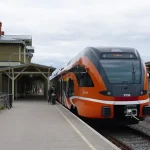
📷 Featured image by Margo Evardson on Unsplash.