On this page
- Why Lahemaa Catches Travelers Off Guard
- Free and Low-Cost Things to Do in the Park
- Getting to Lahemaa Without a Rental Car
- Where to Eat on a Budget in and Around Lahemaa
- Affordable Places to Stay: Campgrounds, Hostels, and Guesthouses
- Budget Breakdown: Daily Costs in Lahemaa for 2026
- Best Time to Visit for Fewer Crowds and Lower Prices
- Day Trips Within the Park: Manors, Boulders, and Coastline
- Practical Tips for Saving Money in Lahemaa
- Frequently Asked Questions
💰 Click here to see Estonia Budget Breakdown
💰 Prices updated: October, 2026. Budget figures are estimates — always verify before travel.
Exchange Rate: $1 USD = €0.88
Daily Budget (per person)
Shoestring: €40.00 – €70.00 ($45.45 – $79.55)
Mid-range: €120.00 – €250.00 ($136.36 – $284.09)
Comfortable: €300.00 – €900.00 ($340.91 – $1,022.73)
Accommodation (per night)
Hostel/guesthouse: €15.00 – €40.00 ($17.05 – $45.45)
Mid-range hotel: €60.00 – €150.00 ($68.18 – $170.45)
Food (per meal)
Budget meal: €15.00 ($17.05)
Mid-range meal: €35.00 ($39.77)
Upscale meal: €100.00 ($113.64)
Transport
Single metro/bus trip: €2.00 ($2.27)
Monthly transport pass: €30.00 ($34.09)
Most travelers heading to Estonia budget carefully for Tallinn and assume the national park is an expensive add-on that requires a rental car, a guided tour, and a lodge with a sauna package. In 2026, that assumption is costing people a genuinely great experience. Lahemaa National Park — the largest national park in Estonia — is actually one of the most affordable nature destinations in Northern Europe, if you know how to approach it. The problem is outdated information online that still treats the park as inaccessible without a car or a tour group. This guide fixes that.
Why Lahemaa Catches Travelers Off Guard
Lahemaa sits about 70 kilometres east of Tallinn, covering pine forests, bog landscapes, dramatic Baltic coastline, Soviet-era manor houses, and fishing villages that look almost exactly as they did a century ago. The name translates roughly to “land of bays,” and the coastline does live up to that — jagged peninsulas, grey stone beaches, and water so clear in summer that you can see the bottom in the shallows.
What surprises most visitors is the scale. Lahemaa covers roughly 725 square kilometres. You can spend four or five days here and not repeat a single trail or village. The park has no entrance fee. There are no turnstiles, no ticket booths, no paid parking at most trailheads. The infrastructure for independent travelers has improved steadily, and in 2026, the bus connections from Tallinn are more reliable than they were even two years ago.
The park’s character is quiet and unhurried. Walking a boardwalk trail over a raised bog at dawn, the only sounds are wind moving through the pines and the occasional call of a crane somewhere in the mist. It doesn’t feel like a managed tourist attraction. It feels like Estonia at its most itself.
Free and Low-Cost Things to Do in the Park
Entry to Lahemaa is completely free. Most of what makes the park exceptional costs nothing at all.
- Viru Bog (Viru raba): The most visited natural site in Estonia, and it’s free. A 3.5-kilometre wooden boardwalk loop takes you across an ancient raised bog with observation platforms. Come early morning or late evening to avoid the tour groups that arrive by the busload from Tallinn between 10:00 and 14:00.
- Käsmu Village: Often called the “Captain’s Village” because of its seafaring history, Käsmu is a free wander. The stone beach, the erratic boulders left by glaciers, and the old captain’s houses are all open to explore on foot. The Käsmu Peninsula Loop (3 km) follows the coastline with views over the bay — mostly flat with some rocky sections on the shore.
- Altja Village: A preserved fishing village with a net shed, old wooden swings by the shoreline, and a genuine sense of stillness. No cost to walk through. The Altja–Käsmu Coastal Path (approximately 8 km one way) is one of the park’s most rewarding walks, combining coastal scenery with forest sections — walk it one way and arrange transport back, or make it a two-day trip with a night in between.
- Oandu Forest Trail: A marked 4.7-kilometre loop through old-growth forest that passes beaver ponds and ancient pine stands. The forest floor is thick with moss and the canopy blocks most outside sound. Free, well-maintained, and rarely crowded on weekdays.
- Palmse Manor Grounds: The manor house itself charges a small entrance fee (around €5 in 2026), but the grounds, the swan pond, and the surrounding parkland are free to walk through.
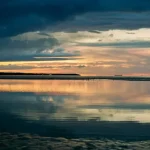
- Baltic Coastline: The beaches at Võsu and along the Pärispea Peninsula are free. The water is cold even in July — around 17–19°C on a warm summer day — but the light on the water in the evening is worth sitting with for an hour.

Getting to Lahemaa Without a Rental Car
This is where most budget guides fail people. The honest answer in 2026 is that public transport to Lahemaa works, but it requires a bit of planning.
By bus from Tallinn: Lux Express and Hansabuss run buses from Tallinn’s bus station (Tallinn Bussijaam) to Rakvere, which pass through or near several park entry points. More usefully, regional buses on routes 151, 152, and 153 connect Tallinn to villages like Võsu, Käsmu, and Viitna. Timetables are available on the Peatus.ee journey planner. Fares are typically €4–8 one way depending on your stop. Buses run more frequently in summer (June–August) than in the off-season.
By local bus within the park: Getting between villages inside the park on public transport is possible but limited. The buses that run through the park serve local commuters, not tourists, so schedules may require you to wait or walk between stops. This is workable if you plan your days around the timetable.

Cycling: Renting a bike in Tallinn or Rakvere and cycling into the park is realistic. The distance from Tallinn to Viitna (one of the park’s southern entry points) is about 75 kilometres via roads with marked cycling paths for much of the route. Bike rental in Tallinn runs around €15–25 per day. Several guesthouses in the park also rent bikes locally for €8–15 per day.
Rideshare and hitchhiking: The Bolt app works for rides from Tallinn toward the park, though it gets expensive over that distance (€40–60). Hitchhiking within the park between villages is common and generally safe — locals and other visitors frequently stop for walkers on the road between Käsmu, Altja, and Võsu.
Organized budget tours: Several Tallinn-based operators run day trips to Lahemaa for €25–45 per person that include transport and a guide. For solo travelers or couples, this can actually work out cheaper than renting a car for the day, and you don’t have to navigate the timetables yourself.
Where to Eat on a Budget in and Around Lahemaa
Dining options inside the park are limited, and that limitation is part of what keeps costs down if you’re prepared.
Altja Kõrts (Altja Tavern): This is the most well-known eating spot in the park — a traditional wooden tavern in Altja village that serves simple, filling food. Expect smoked fish, rye bread, pea soup, and seasonal specials. Prices are fair: a main course runs €10–16. It’s popular, so arrive early or late in the day to avoid the tour group rush at lunchtime.
Viitna Kõrts: On the main Tallinn–Narva highway at the southern edge of the park, Viitna Tavern has been feeding travelers for centuries. In 2026 it remains one of the better value stops in the area — hearty Estonian food, reasonable prices (€8–14 for mains), and a location that works well if you’re entering the park from the highway side.
Self-catering: The most budget-conscious approach. Buy supplies at the Rimi or Maxima supermarkets in Rakvere or in Tallinn before entering the park. Guesthouses and campsite kitchens are generally available for guest use. A self-catered day in the park — packed lunch, trail snacks, dinner at your accommodation’s kitchen — easily keeps food costs under €10.

Võsu village: The small shop in Võsu carries basics. There’s also a small café that operates in summer with sandwiches and coffee. Don’t rely on it as your main food source, but useful for a quick stop.
Affordable Places to Stay: Campgrounds, Hostels, and Guesthouses
Lahemaa has a genuine range of budget-friendly accommodation that most travel sites underreport.
RMK campsites: The State Forest Management Centre maintains free and low-cost campsites throughout the park. Many are completely free and include a firepit, firewood, a basic shelter, and a composting toilet. Others charge a small fee of €3–5 per night. These are the best option for hikers and anyone with a tent. Book through the RMK website, though walk-ins are often possible outside of midsummer weekends.
Guesthouses in Käsmu and Võsu: Small family-run guesthouses charge €30–55 per night for a double room in 2026. Breakfast is sometimes included. These are the sweet spot for budget travelers who want a bed, a shower, and often a sauna without paying lodge prices.
Sagadi Manor Hostel: One of the most unusual budget sleeps in Estonia — a hostel inside the grounds of Sagadi Manor, which is itself a functioning manor estate within the park. Dorm beds run around €18–24 per night. The setting is genuinely beautiful, and the manor’s café serves food on-site.
Glamping and eco-cabins: Several operators have added small wooden cabin rentals in the park at €50–90 per night — more expensive than a tent but significantly cheaper than full lodge packages, and they give you access to a kitchen and often a private sauna.
Budget Breakdown: Daily Costs in Lahemaa for 2026
These are realistic per-person daily costs based on 2026 prices in and around the park.
Budget traveler (tent camping, self-catering, bus transport):
- Accommodation: €0–5 (RMK campsite)
- Food: €8–12 (self-catered with one café coffee)
- Transport within park: €2–5 (local bus or cycling)
- Activities: €0–5 (free trails, optional manor entry)
- Daily total: €10–27 per person
Mid-range traveler (guesthouse, mix of eating out and self-catering, some transport costs):
- Accommodation: €30–55 (guesthouse, per person sharing)
- Food: €20–30 (two meals out, one self-catered)
- Transport: €5–15
- Activities: €5–15
- Daily total: €60–115 per person
Comfortable traveler (eco-cabin, all meals out, occasional taxi):
- Accommodation: €50–90 (cabin, per person sharing)
- Food: €35–50 (restaurant meals)
- Transport: €15–30
- Activities: €10–20
- Daily total: €110–190 per person
Best Time to Visit for Fewer Crowds and Lower Prices
Lahemaa in July and August is popular enough that the free campsites fill up on weekends and the Viru Bog boardwalk gets genuinely crowded around midday. That said, it never reaches the saturation level of more famous European parks.

Late May to mid-June: Arguably the best overall window. The days are extremely long (up to 18–19 hours of daylight near the solstice), the forest is bright with new growth, migrating birds are active, and prices at guesthouses are still at shoulder-season rates. Crowds are thin on weekdays.
September: The forest turns amber and rust, the light is softer, and the tour groups from Tallinn largely disappear after the school year starts. Temperatures drop to 10–15°C during the day but walking conditions are excellent. Guesthouse prices drop noticeably from August rates.
Winter (December–February): Snow in Lahemaa is genuinely beautiful and the park sees very few visitors. Cross-country ski tracks are maintained on some trails. RMK shelters are still accessible. Accommodation prices are at their lowest — guesthouses that charge €50 in August may ask €30 or less in January. The trade-off is short days (as few as 6–7 hours of daylight) and cold temperatures that can reach -15°C or lower.
Avoid: Midsummer weekend (late June, around June 23–24, Jaanipäev). Every Estonian who owns a car heads to the forest or coast. Campsites are full, roads are busy, and the quiet atmosphere that makes Lahemaa special largely vanishes for those few days.
Day Trips Within the Park: Manors, Boulders, and Coastline
Lahemaa is large enough that different areas of the park function almost like separate destinations. If you’re based in one village, these are the best excursions using local transport or cycling.
Palmse Manor: The most beautifully restored manor in Estonia. The main house costs €5 to enter in 2026 and covers the Baltic German noble family history through well-curated rooms. The grounds are free and include a distillery building, a bath house, and a large pond. Allow two to three hours.
Sagadi Manor: Smaller and quieter than Palmse, Sagadi houses the Estonian Forest Museum (€4 entry). The surrounding forest park is free and has old specimen trees worth walking among.
Juminda Peninsula: Less visited than the main park areas and worth the detour. A narrow peninsula jutting into the Gulf of Finland with a lighthouse, a war memorial to the 1941 Juminda naval tragedy, and a quiet coastline. Accessible by car or bicycle from Loksa.
Practical Tips for Saving Money in Lahemaa
- Book RMK campsites in advance for summer weekends. The booking system opened for 2026 in February. Weekend spots at popular sites like Oandu and Käsmu fill within days of opening.
- Carry cash. Several small guesthouses and the village shops in Altja and Võsu do not accept card payments reliably. ATMs exist in Loksa and Rakvere, not inside the park.
- Bring a reusable water bottle. Water from the tap is safe to drink throughout Estonia. You do not need to buy bottled water.
- Pack for rain. The coastal areas of Lahemaa receive significant rainfall and weather changes fast. A waterproof layer weighs almost nothing and saves you from a miserable day on the trail.
- Use the Bolt app for occasional longer distances rather than renting a car for an entire day when you only need one or two transfers. A Bolt from Loksa to Palmse, for example, costs around €8–12 and takes 15 minutes.
- Firewood at RMK shelters is free. You do not need to buy firewood. Bring matches or a lighter.
- Mobile coverage: Tele2 and Elisa have the best rural coverage in Lahemaa in 2026. Telia’s coverage has gaps in some forest areas. A local SIM costs €5–10 and includes data sufficient for a week of navigation and messaging.

Frequently Asked Questions
Is Lahemaa National Park free to enter?
Yes, entirely. There is no entrance fee for the park itself. Some specific attractions inside the park, like Palmse Manor house (€5) and Sagadi Forest Museum (€4), charge small admission fees. The trails, beaches, bog boardwalks, and most of the park’s outdoor experiences are completely free to access.
Can you visit Lahemaa without a car?
Yes, though it takes more planning than driving. Regional buses from Tallinn reach villages including Võsu, Käsmu, and Viitna. Within the park, cycling, walking, and occasional Bolt rides fill the gaps. Budget tour day trips from Tallinn (€25–45) are another practical option for those who prefer not to manage transport logistics themselves.
How many days do you need in Lahemaa?
Two full days covers the highlights — Viru Bog, a coastal village, and one manor. Three to four days lets you explore at a genuinely relaxed pace and reach the quieter areas like the Juminda Peninsula or the Altja–Käsmu coastal path. One day is possible as a day trip from Tallinn but leaves you feeling rushed.
What is the cheapest accommodation option in Lahemaa?
RMK free campsites are the cheapest option at €0–5 per night. They include fire pits, basic shelters, and composting toilets. Sagadi Manor hostel dorms at €18–24 per night are the cheapest indoor option. Guesthouses in Käsmu and Võsu start around €30–40 for a double room.
Is Lahemaa safe for solo travelers?
Lahemaa is safe. Estonia has low crime rates overall and the park attracts a mix of Estonian families, cyclists, and international hikers. Solo hiking on marked trails is common and the RMK app makes navigation reliable. The main practical concern for solo visitors is transport logistics between villages — plan your timetables in advance and you’ll have no issues.
📷 Featured image by Margo Evardson on Unsplash.