On this page
- Where Locals Actually Eat — The Streets and Spots That Matter
- Tartu’s Market Scene — Fresh Food and Ready-to-Eat Local Finds
- What to Order — The Estonian Dishes That Define Tartu’s Tables
- Student Food Culture — Honest, Cheap, and Genuinely Local
- Farm-to-Table Dining in Tartu in 2026
- 2026 Budget Reality — What a Meal Costs in Tartu
- Practical Tips for Eating Like a Local in Tartu
- Frequently Asked Questions
💰 Click here to see Estonia Budget Breakdown
💰 Prices updated: October, 2026. Budget figures are estimates — always verify before travel.
Exchange Rate: $1 USD = €0.88
Daily Budget (per person)
Shoestring: €40.00 – €70.00 ($45.45 – $79.55)
Mid-range: €120.00 – €250.00 ($136.36 – $284.09)
Comfortable: €300.00 – €900.00 ($340.91 – $1,022.73)
Accommodation (per night)
Hostel/guesthouse: €15.00 – €40.00 ($17.05 – $45.45)
Mid-range hotel: €60.00 – €150.00 ($68.18 – $170.45)
Food (per meal)
Budget meal: €15.00 ($17.05)
Mid-range meal: €35.00 ($39.77)
Upscale meal: €100.00 ($113.64)
Transport
Single metro/bus trip: €2.00 ($2.27)
Monthly transport pass: €30.00 ($34.09)
Tartu has a food scene that rewards the curious and punishes the passive. Wander onto Rüütli or Raekoja plats without a plan in 2026 and you’ll end up paying tourist prices for mediocre food that has nothing to do with how people in this city actually eat. The good news: Tartu’s locals eat extraordinarily well, and most of the best spots are a short walk from the main square. You just need to know which direction to walk.
Where Locals Actually Eat — The Streets and Spots That Matter
The restaurant geography of Tartu is more compact than visitors expect. Most of the genuinely local dining happens in a rough triangle between Küütri tänav, Gildi tänav, and the university buildings on Ülikooli tänav. This is not the tourist quarter — the menus here are often partly in Estonian, and the lunch specials fill up fast.
Püssirohukelder on Lossi tänav is the most atmospheric place in the city for Estonian food. It operates inside a former gunpowder cellar built into the hill below Toome Hill. The vaulted stone ceilings trap the warmth in winter, and the smell of roasting meat and dark bread reaches you before you open the door. Locals come here for the pork dishes and the house beer, not for Instagram content.
Antonius on Ülikooli tänav sits inside a medieval merchant’s house. The portions are generous and the menu leans heavily on seasonal Estonian produce. It skews slightly more formal than everyday local eating, but Tartu residents choose it for celebrations — which tells you something real about the quality.
Meat Market on Küütri tänav has built a loyal regular crowd since expanding its kitchen in 2025. The grilled meats are the focus, but the side dishes — fermented vegetables, rye bread with smoked butter — are what make it specifically Estonian rather than just a grill restaurant.
Tartu’s Market Scene — Fresh Food and Ready-to-Eat Local Finds
The Tartu Central Market (Keskturg) on Soola tänav runs every morning except Monday and is the single most honest window into how Tartu cooks and eats. Farmers drive in from Tartumaa and Põlvamaa counties with produce that isn’t available in any supermarket — small-batch sauerkraut in ceramic jars, dried mushrooms harvested from the forests east of the city, smoked cheese from farmhouses near Elva. The vendor stalls are arranged with dairy on one side, vegetables on the other, and a central row of home-cooked prepared foods.

The prepared food stalls are the hidden meal option most visitors miss entirely. For around €4–6 you can get a plate of blood sausage with lingonberries, pork belly with pearl barley, or potato salad made from scratch that morning. Eat at the long shared wooden tables inside the covered hall. The smell of dill and smoked pork hangs in the air all morning.
Lõunakeskus shopping centre on the southern edge of Tartu has a food market section on its ground floor that Tartu residents use for serious weekly shopping. The emphasis here is on Estonian-produced dairy — quark, sour cream, kefir from brands like Tere and Farmi — and local butchers who stock cuts you won’t find in the old town. It lacks the atmosphere of Keskturg, but it’s where locals actually shop.
What to Order — The Estonian Dishes That Define Tartu’s Tables
Forget reading the full menu. In Tartu’s local restaurants, four categories of food will tell you everything about whether you’re eating authentically.
- Päevapraad (lunch special): Every serious local restaurant offers a daily lunch special between 11:00 and 15:00. It’s typically two courses for €7–11. The main is usually a pork or fish dish built around whatever is seasonal. This is how Tartu office workers and university staff eat during the week.
- Mulgikapsad: Slow-cooked sauerkraut with pork and pearl barley. Warming, slightly sour, deeply satisfying. Püssirohukelder does a version that barely changes between summers and winters because it doesn’t need to.
- Verivorst with hapukoor: Blood sausage served with sour cream and lingonberry jam. It appears year-round in Tartu even though much of Estonia treats it as a winter dish.
- Leib: Dark rye bread. Not a side dish — a serious component of every meal. The rye bread at Tartu Mill (Tartu Veski), sold in the city’s grocery stores and at the market, has a dense, slightly sweet crumb and a crust that cracks when you press it. Order bread with your meal rather than expecting it automatically.
Student Food Culture — Honest, Cheap, and Genuinely Local
The University of Tartu is one of the oldest in Northern Europe, and the student population of around 13,000 shapes the city’s food economy in ways that benefit every visitor on a budget. The area around Kalevi tänav and the university library on W. Struve tänav has the highest concentration of affordable, no-pretension eating.

Ülikooli Kohvik, the university’s own café, is open to the public and serves simple Estonian-style hot lunches for €5–7. Students fill it from noon onward, and the weekly rotation of dishes follows the harvest calendar loosely — expect more cabbage and root vegetables in autumn and winter, lighter grain and fish dishes in warmer months.
Ristorant Truffe on Küütri serves pizza that Tartu students defend fiercely against any comparison to Italian original, which is exactly the kind of local pride that makes a place worth visiting. The basement seating fills with a mix of university staff and students most evenings, and the noise level is a reliable indicator of how alive the room is.
The Tartu Student Village area near Raatuse tänav has several small cafeterias and a cooperative food shop that stocks local produce at below-market prices. It’s not a tourist destination, but walking through at lunchtime and finding a seat at one of the canteen-style tables gives you a much clearer picture of Tartu’s daily life than any restaurant review can.
Farm-to-Table Dining in Tartu in 2026
The direct relationship between Tartu restaurants and local farms has strengthened noticeably since 2024. Two factors drove this: the expansion of the Tartumaa local food network (a regional cooperative linking farms directly to restaurants), and the opening of several new restaurant kitchens that built their identity around sourcing transparency.
Volga on Vanemuise tänav reopened in late 2025 after a kitchen renovation with a menu that changes weekly based on what partner farms deliver. The chef posts the current producers on a chalkboard near the entrance. In practice, this means the menu in October might centre on Põltsamaa apples and elk from the forests around Alam-Pedja nature reserve, while June produces menus heavy on fresh herbs, smoked trout from local fish farms, and early-season vegetables.
Hea Maa (Good Earth) on Gildi tänav is smaller and quieter, with a focus on fermented and preserved Estonian foods. The menu is short — four or five mains — and the fermented drinks list includes kvass, kefir, and a rotating selection of wild-herb sodas made in-house. The wooden interior, low lighting, and the faint sour-clean scent of active fermentation crocks near the kitchen make it feel like eating inside a working Estonian farmhouse.

2026 Budget Reality — What a Meal Costs in Tartu
Tartu is noticeably cheaper than Tallinn for food, and that gap has widened slightly in 2026 as Tallinn’s old town prices have continued rising with tourism demand. Here is what to expect across spending levels.
- Budget (under €10 per person): Market lunch at Keskturg, university canteen, or the päevapraad lunch special at any local restaurant outside the old town. You will eat well and feel full. Coffee is separate and typically €2.50–3.50 for a flat white at Tartu’s specialty coffee spots.
- Mid-range (€15–25 per person): A full sit-down dinner with a starter, main, and one drink at a restaurant like Meat Market, Hea Maa, or Antonius. This covers the majority of real local dining experiences in Tartu.
- Comfortable (€30–50 per person): A longer tasting-format dinner at Volga or Püssirohukelder with wine or local craft beer pairing. Still not expensive by Western European standards, and the quality at this price point in Tartu is genuinely high.
Tipping is not obligatory in Estonia. Rounding up to the nearest euro or leaving 10% at a sit-down restaurant is appreciated and is increasingly common in Tartu, but it remains a choice rather than a social expectation.
Practical Tips for Eating Like a Local in Tartu
- Eat lunch, not dinner, as your main meal. Tartu locals follow the Estonian pattern of eating the largest, hottest meal at midday. The päevapraad system means you get more food, better ingredients, and lower prices between 11:00 and 15:00 than at any other time of day.
- Avoid Raekoja plats restaurants for anything other than coffee. The town hall square restaurants are convenient but priced for visitors and not representative of how the city eats.
- Go to Keskturg on Saturday morning. Saturday is the biggest market day with the widest range of vendors. Arrive before 10:00 for the best selection of prepared foods.
- Ask what’s seasonal. Estonian restaurant staff in Tartu are generally happy to explain what’s local and current. A simple question — “what do you recommend this week?” — often unlocks information about what came in from partner farms that isn’t on the printed menu.
- Try the local craft beer. Põhjala and Tanker are the two Estonian craft breweries with the strongest presence in Tartu bars and restaurants. Tanker, based just outside Tartu, uses local grain and is the more local choice of the two.

Frequently Asked Questions
What is the most authentic Estonian restaurant in Tartu?
Püssirohukelder on Lossi tänav is consistently the most authentically Estonian dining experience in the city. It serves traditional dishes like mulgikapsad and verivorst in a genuinely historic setting — a stone gunpowder cellar — and is used by locals for celebrations as much as by visitors. Reservations are recommended on weekends in 2026.
How much should I budget for food per day in Tartu?
A realistic daily food budget in Tartu in 2026 is €20–35 per person if you follow local eating patterns — market breakfast or coffee, päevapraad lunch, and a mid-range dinner. You can eat extremely well on €25 per day. Spending over €50 per day on food in Tartu would require deliberate effort.
Is English widely spoken in Tartu restaurants?
Yes. University-town demographics mean English fluency is high across Tartu’s service industry. Even smaller local cafés and market vendors near the university district handle English without difficulty. Some menus in neighbourhood restaurants away from the centre are Estonian-only, but staff will translate without hesitation if asked.
When is Tartu’s Central Market open?
Keskturg operates Tuesday through Sunday, typically from around 08:00 until 15:00, with Saturday being the busiest and best-stocked day. The market is closed on Mondays. The covered indoor section runs year-round; outdoor stalls are seasonal and more limited in winter months from November through February.
Are there good vegetarian or vegan options in Tartu’s local restaurants?
Traditional Estonian food is meat-heavy, but Tartu’s student population has driven genuine vegetarian options into mainstream restaurant menus. Hea Maa on Gildi tänav and several university-area cafés offer strong plant-based choices. The Keskturg market has excellent seasonal vegetables and dairy. Pure vegan options exist but require more searching than in larger cities.
Explore more
Tartu’s Best Restaurants & Cafes: An Essential Dining Guide
Where to Find the Best Shopping in Tartu: Souvenirs, Handicrafts & Local Gems
Best Restaurants in Tartu: Our Top Picks for Every Budget
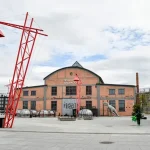
📷 Featured image by Marek Lumi on Unsplash.