On this page
- What Makes Setomaa Different From the Rest of Estonia
- The Living Culture: Seto Heritage and Traditions
- Essential Sights and Experiences in Setomaa
- Where to Experience Authentic Seto Cuisine
- Getting to and Around Setomaa
- Day Trip or Overnight? Planning Your Visit
- 2026 Budget Guide: What You’ll Pay in Setomaa
- Frequently Asked Questions
💰 Click here to see Estonia Budget Breakdown
💰 Prices updated: October, 2026. Budget figures are estimates — always verify before travel.
Exchange Rate: $1 USD = €0.88
Daily Budget (per person)
Shoestring: €40.00 – €70.00 ($45.45 – $79.55)
Mid-range: €120.00 – €250.00 ($136.36 – $284.09)
Comfortable: €300.00 – €900.00 ($340.91 – $1,022.73)
Accommodation (per night)
Hostel/guesthouse: €15.00 – €40.00 ($17.05 – $45.45)
Mid-range hotel: €60.00 – €150.00 ($68.18 – $170.45)
Food (per meal)
Budget meal: €15.00 ($17.05)
Mid-range meal: €35.00 ($39.77)
Upscale meal: €100.00 ($113.64)
Transport
Single metro/bus trip: €2.00 ($2.27)
Monthly transport pass: €30.00 ($34.09)
Straddling the Estonian-Russian border in the country’s southeastern corner, Setomaa remains one of Europe’s last authentic cultural frontiers. In 2026, while much of Estonia has embraced its Nordic identity, this ancient region preserves traditions that predate Christianity itself. The challenge isn’t finding authentic experiences here—it’s choosing which centuries-old customs to witness first.
What Makes Setomaa Different From the Rest of Estonia
Setomaa operates on its own cultural wavelength. The Seto people, an indigenous Finno-Ugric group, have maintained their distinct identity for over a thousand years. Unlike the rest of Estonia, which converted to Lutheranism, the Setos embraced Russian Orthodox Christianity while weaving it into their pre-Christian traditions.
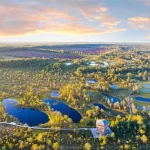
The landscape itself feels different. Rolling hills stretch toward Lake Pskov, dotted with traditional wooden farmsteads and onion-domed churches. The language shifts too—while Estonian dominates, you’ll hear the melodic Seto dialect, recognized by UNESCO as endangered. Road signs appear in three languages: Estonian, Russian, and Seto.
The border runs directly through Setomaa, creating a unique situation where some Seto villages lie in Russia, others in Estonia. This division, solidified after Estonia’s independence in 1991, split families and communities that had lived as one for centuries. Today, Estonian Setomaa comprises roughly half the historic region, centered around the town of Värska and extending to the shores of Lake Pskov.
What strikes visitors most is the pace. While Tallinn rushes toward its digital future, Setomaa moves to rhythms set by seasonal festivals, Orthodox calendar celebrations, and the ancient practice of leelo—polyphonic singing that echoes across hilltops during summer gatherings.
The Living Culture: Seto Heritage and Traditions
The heart of Seto culture beats strongest during the annual Kingdom Day celebration each August, when the community gathers to elect their ceremonial king. This tradition, dating back centuries, represents the Setos’ resistance to outside rule. The “king” serves as a cultural ambassador, preserving traditions and representing Seto interests.

Leelo singing forms the spiritual core of Seto identity. These polyphonic folk songs, performed exclusively by women, tell stories of daily life, love, and loss. The haunting harmonies, with their distinctive “killing” (drone) technique, earned UNESCO recognition in 2009. During summer festivals, the sound of leelo drifts across meadows as groups of women in traditional dress gather to sing songs passed down through generations.
The traditional Seto costume represents one of Europe’s most elaborate folk dress traditions. Women wear heavy silver jewelry—sometimes weighing several kilograms—including the distinctive sõlg (brooch) that can indicate marital status and family wealth. The intricate embroidery and beadwork require months to complete, with patterns carrying deep symbolic meaning.
Orthodox Christianity permeates daily life here more than anywhere else in Estonia. The region hosts several active monasteries and churches, including the revered Petseri Monastery just across the border in Russia. Many Estonian Setos make pilgrimages there during major Orthodox holidays, though border crossings require advance planning since 2022.
Traditional crafts survive through dedicated artisans. Seto pottery, distinguished by its reddish clay and geometric patterns, continues in workshops around Värska. Woodcarving, metalwork, and textile production maintain techniques unchanged for centuries. Several craftspeople offer workshops for visitors wanting hands-on cultural experiences.
Essential Sights and Experiences in Setomaa
The Seto Farm Museum in Värska provides the perfect introduction to the region. This open-air collection of traditional buildings showcases 19th and early 20th-century Seto life. The reconstructed farmstead includes a smoke sauna, grain storehouse, and the distinctive Seto dwelling with its large central room where extended families gathered around the stove during long winters.

Obinitsa Museum, housed in a former Orthodox church, holds Estonia’s largest collection of Seto artifacts. The exhibition spans centuries of cultural development, from ancient jewelry to traditional costumes. The museum’s crown jewel is its leelo recording collection—visitors can hear performances dating back to the early 1900s through audio stations.
Saatse village offers a surreal experience—the road to reach it passes through a narrow strip of Russian territory for about 800 meters. You cannot stop in this section, but the journey illustrates the complex border situation that defines modern Setomaa. The village itself, once nearly abandoned, has seen new life as younger Setos return to restore family properties.
Lake Pskov’s shoreline provides some of Estonia’s most pristine natural experiences. The lake, shared with Russia, supports diverse wildlife including white-tailed eagles and several rare fish species. Traditional fishing villages like Lahe still operate using methods passed down through generations. The morning mist rising from the lake creates ethereal scenes, especially when viewed from the hilltops around Mikitamäe.
The taste of traditional Seto rye bread baking in wood-fired ovens fills the air around family farms that still welcome visitors. These experiences, often arranged through local tourism offices, offer authentic glimpses into daily life. You might help milk cows, gather eggs, or learn to weave traditional patterns on century-old looms.
Meremäe Holy Trinity Church represents Orthodox architecture at its finest in Estonia. Built in 1903, the church’s colorful frescoes and ornate iconostasis create a dramatically different atmosphere from Estonia’s typical Lutheran churches. Services conducted in Church Slavonic transport visitors centuries back in time.
Hidden Gems Worth Seeking
The ancient burial grounds at Tõrva hill contain stone graves dating to the 5th century. These archaeological sites, scattered throughout Setomaa, represent some of Estonia’s oldest cultural artifacts. Local guides can explain the significance of burial patterns and artifact discoveries that illuminate pre-Christian Seto beliefs.

Traditional smoke saunas, called “tüü saun” in Seto dialect, operate in several villages. These windowless structures, heated by wood fires that fill the room with smoke before bathing, offer one of humanity’s oldest wellness traditions. The experience requires advance booking through local families who maintain these UNESCO-recognized cultural practices.
Where to Experience Authentic Seto Cuisine
Seto cuisine reflects the region’s agricultural traditions and Orthodox dietary customs. The food differs markedly from typical Estonian fare, incorporating more grains, dairy products, and seasonal vegetables while observing Orthodox fasting periods throughout the year.
Värska Sanatorium Restaurant serves traditional Seto dishes in an elegant setting overlooking the lake. Their menu features kalakukk—a traditional fish and pork pie baked in rye crust that represents Setomaa’s signature dish. The preparation takes hours, with layers of fish, meat, and vegetables slow-cooked until the flavors meld completely. The restaurant sources ingredients from local Seto farms, maintaining authenticity while elevating presentation.
Several Seto families open their homes for traditional meals by appointment. These experiences, coordinated through the Värska tourism office, provide intimate settings where visitors share tables with Seto families. Expect multiple courses featuring kama (roasted grain mixture), fresh cheese with caraway, pickled vegetables, and homemade kvass. The warm hospitality and storytelling that accompany these meals create lasting memories.
The annual Seto Food Festival in September showcases traditional cooking methods. Local women demonstrate bread baking in outdoor ovens, cheese making, and the complex process of preparing kalakukk. Visitors can taste dishes rarely found elsewhere, including traditional porridges, fermented dairy products, and seasonal preparations of wild berries and mushrooms.

Tsäimaja Guesthouse near Saatse offers cooking workshops where visitors learn to prepare Seto specialties. The multi-day programs include foraging for wild ingredients, traditional food preservation techniques, and the art of brewing traditional beverages. These hands-on experiences provide deep cultural immersion beyond simple dining.
Getting to and Around Setomaa
Reaching Setomaa requires planning, as public transportation options remain limited. The region lies approximately 300 kilometers southeast of Tallinn, with Värska serving as the main hub. Most visitors rent cars for maximum flexibility, though bus connections serve the primary destinations.
By car from Tallinn, take the A2 highway south through Tartu, then continue on Route 64 toward Võru before turning east on Route 65 to Värska. The journey takes roughly 3.5 hours, passing through some of Estonia’s most scenic countryside. The final stretch through Setomaa reveals the region’s distinctive landscape of rolling hills and traditional farmsteads.
Public buses operated by SEBE connect Värska to major Estonian cities. The Tallinn-Värska route runs twice daily, requiring approximately 4.5 hours with connections in Tartu or Võru. From Tartu, direct buses to Värska operate three times daily, taking about 2 hours. These services reduce frequency during winter months, so check current schedules before traveling.
Within Setomaa, distances are manageable but public transport is sparse. Villages spread across roughly 1,500 square kilometers, with many cultural sites located in remote areas. Bicycle rental, available in Värska, provides an excellent way to explore during warmer months. The relatively flat terrain and quiet roads make cycling pleasant for most fitness levels.
Day Trip or Overnight? Planning Your Visit
The distance from Tallinn makes Setomaa challenging as a day trip, though it’s feasible for dedicated travelers. The 7-hour round-trip drive leaves limited time for meaningful cultural experiences. Day trips work better from Tartu (4 hours driving) or Võru (2 hours), allowing several hours to explore Värska and nearby attractions.

Overnight stays unlock Setomaa’s true character. The region reveals its secrets gradually—morning mist over Lake Pskov, evening church services, and unhurried conversations with local residents. Two nights provide optimal balance, allowing visits to multiple villages and participation in cultural activities without rushing.
Accommodation options center around Värska, ranging from the historic Värska Sanatorium to family-run guesthouses in surrounding villages. The sanatorium, built around natural springs, offers spa treatments alongside cultural programs. Smaller properties provide more intimate experiences, often including home-cooked meals and personal tours guided by owners who grew up in Seto traditions.
Extended stays of 3-4 days suit visitors seeking deep cultural immersion. This duration allows participation in craft workshops, multiple village visits, and attendance at local events. Some travelers coordinate longer visits with seasonal celebrations—Kingdom Day in August or Orthodox holidays throughout the year.
Seasonal timing affects the experience significantly. Summer offers the fullest cultural calendar, with outdoor festivals and easier access to remote sites. Spring and autumn provide quieter encounters but may limit some activities. Winter visits can be magical, especially during Orthodox celebrations, though weather conditions may restrict transportation options.
2026 Budget Guide: What You’ll Pay in Setomaa
Setomaa offers excellent value compared to Tallinn or other Estonian tourist areas. The remote location and limited commercialization keep prices reasonable, though options may be more limited than in major destinations.
Accommodation (per night)
- Budget: €25-40 (guesthouses, farm stays)
- Mid-range: €45-70 (private rooms with breakfast)
- Comfortable: €75-120 (Värska Sanatorium, premium guesthouses)
Dining
- Traditional family meals: €15-25 per person
- Restaurant dining: €8-15 for main courses
- Cultural food experiences: €35-50 per person
- Cooking workshops: €45-80 per session

Transportation
- Tallinn-Värska bus: €12-18 one way
- Car rental: €25-45 per day (essential for full exploration)
- Fuel for Tallinn-Setomaa round trip: €35-50
- Bicycle rental: €10-15 per day
Cultural Activities
- Museum admission: €3-6 per site
- Guided cultural tours: €20-40 per person
- Craft workshops: €30-60 per session
- Traditional sauna experience: €15-25 per person
Daily Budget Estimates
- Budget traveler: €45-65 per day
- Mid-range comfort: €70-100 per day
- Comfortable experience: €110-160 per day
These estimates assume accommodation, meals, local transportation, and cultural activities. Add transportation costs from your starting point and any shopping for traditional crafts or foods.
Frequently Asked Questions
Do I need a visa to visit Setomaa?
No visa is required for Setomaa in Estonia. However, visiting historical Seto sites across the Russian border requires a Russian visa arranged in advance. Focus on Estonian Setomaa for visa-free cultural experiences.
What’s the best time to experience Seto culture?
August offers peak cultural activities including Kingdom Day celebrations and multiple festivals. Summer months (June-August) provide the fullest calendar of events, though spring and autumn offer quieter but equally authentic experiences.
Can I visit without speaking Estonian or Russian?
Yes, though language barriers may limit some interactions. Many younger locals speak English, and cultural sites offer information in English. Consider hiring local guides for deeper cultural understanding and smoother communication.
How different is Seto culture from mainstream Estonian culture?
Significantly different. Setos maintain distinct language, Orthodox religion, traditional dress, and customs that predate Estonian national identity. The cultural gap is more pronounced than regional differences found elsewhere in Estonia.
Is Setomaa suitable for families with children?
Yes, families often enjoy farm stays, traditional craft demonstrations, and outdoor activities around Lake Pskov. However, limited entertainment options and longer travel distances may challenge families with very young children.
📷 Featured image by Jaanus Jagomägi on Unsplash.