On this page
- Understanding Setomaa: Where Estonia Meets Russia and Tradition Lives
- The Seto People: Language, Religion, and Cultural Identity
- Põlva County Highlights: Villages and Cultural Landmarks
- Leelo Singing and Folk Traditions: Living Heritage in Action
- Seto Cuisine: Unique Flavors from the Borderlands
- Getting There and Getting Around Setomaa
- Day Trip or Overnight? Planning Your Setomaa Experience
- Budget Planning: Costs for Exploring Setomaa in 2026
- Frequently Asked Questions
💰 Click here to see Estonia Budget Breakdown
💰 Prices updated: October, 2026. Budget figures are estimates — always verify before travel.
Exchange Rate: $1 USD = €0.88
Daily Budget (per person)
Shoestring: €40.00 – €70.00 ($45.45 – $79.55)
Mid-range: €120.00 – €250.00 ($136.36 – $284.09)
Comfortable: €300.00 – €900.00 ($340.91 – $1,022.73)
Accommodation (per night)
Hostel/guesthouse: €15.00 – €40.00 ($17.05 – $45.45)
Mid-range hotel: €60.00 – €150.00 ($68.18 – $170.45)
Food (per meal)
Budget meal: €15.00 ($17.05)
Mid-range meal: €35.00 ($39.77)
Upscale meal: €100.00 ($113.64)
Transport
Single metro/bus trip: €2.00 ($2.27)
Monthly transport pass: €30.00 ($34.09)
Planning a trip to Estonia’s remote Setomaa region in 2026 means stepping into one of Europe’s most authentic indigenous cultures—but finding reliable information about this borderland area can be frustratingly difficult. Most Estonia guides barely mention the Seto people, leaving travelers unprepared for this remarkable corner of southeastern Estonia where centuries-old traditions still shape daily life.
Understanding Setomaa: Where Estonia Meets Russia and Tradition Lives
Setomaa spans both sides of the Estonian-Russian border in southeastern Estonia, centered in Põlva County around the towns of Värska and Obinitsa. This cultural region extends beyond political boundaries—many Seto communities exist on the Russian side of the border, though the 2026 geopolitical situation makes cross-border travel impossible for most visitors.
The Estonian side of Setomaa covers roughly 1,500 square kilometers, encompassing Lake Peipsi’s southern shores and the rolling hills toward the Latvian border. The landscape feels distinctly different from northern Estonia—more forested, with deeper valleys and a sense of remoteness that has helped preserve Seto culture for over a millennium.
What makes this region extraordinary isn’t just its location, but its people. The Setos are a Finno-Ugric indigenous group with their own language (Seto), Orthodox Christian faith, and cultural traditions that predate Estonia’s formation as a nation. They’ve maintained their identity through centuries of changing rulers—from medieval Novgorod to Soviet occupation to modern EU membership.
The earthy scent of woodsmoke drifts from traditional farmhouses as you drive through Seto villages, where older residents still wear distinctive folk costumes for daily tasks, not just special occasions.
The Seto People: Language, Religion, and Cultural Identity
The Seto language belongs to the Finno-Ugric family but differs significantly from standard Estonian. While related, Seto contains more Russian vocabulary and follows different grammatical patterns. In 2026, roughly 12,000 people identify as Seto, with about 3,000 living in Estonia and the remainder across the Russian border.

Orthodox Christianity defines much of Seto spiritual life. Unlike most Estonians, who are largely secular or Lutheran, Setos have belonged to the Russian Orthodox Church for centuries. Their faith blends Orthodox doctrine with pre-Christian traditions, creating a unique spiritual landscape visible in their festivals, funeral customs, and daily prayers.
Seto women traditionally hold significant cultural authority. The “Mother of Setos” (Setode Ema), currently Aira Kaal since 2022, serves as the cultural leader and spokesperson for Seto interests. This matriarchal element appears throughout Seto society—women lead the famous leelo singing groups and often make major family decisions.
Traditional Seto clothing remains part of everyday life for many older residents. Women wear distinctive silver jewelry called “sõlg” (large fibulae) that can weigh several kilograms. These intricate brooches, passed down through generations, represent family wealth and status. The sound of silver jewelry chiming as women work in their gardens creates a gentle musical backdrop in Seto villages.
Põlva County Highlights: Villages and Cultural Landmarks
Värska serves as Setomaa’s unofficial capital and your best base for exploration. The Seto Farm Museum here provides essential context before visiting smaller villages. The museum showcases traditional architecture, farming techniques, and household items from the 19th and early 20th centuries. Allow two hours for the full experience.
Obinitsa, 15 kilometers from Värska, holds deep spiritual significance as the location of several important Orthodox churches and the annual Seto Kingdom Day celebration each August. The village’s Saatse Church, built in 1801, exemplifies traditional Seto religious architecture with its simple wooden construction and distinctive onion dome.

Saatse village offers one of Estonia’s most unusual experiences—the road to Saatse passes through a small section of Russian territory called the Saatse Boot. While you cannot stop or leave your vehicle during the 800-meter transit, this corridor provides a unique glimpse of how artificial borders divide traditional Seto lands.
Mikitamäe features the Museum of Seto Life and Culture, housed in a 19th-century farmstead. This smaller, more intimate museum allows visitors to handle traditional tools and crafts. The resident curator, often a local Seto elder, provides personal insights unavailable in larger institutions.
Lake Peipsi’s shores near Raja village offer excellent opportunities for traditional Seto fishing experiences. Local families still use centuries-old fishing techniques and will demonstrate net-making and fish-smoking processes for interested visitors.
Leelo Singing and Folk Traditions: Living Heritage in Action
Leelo represents the heart of Seto culture—a multi-voiced singing tradition recognized by UNESCO as a Masterpiece of Oral and Intangible Heritage. These complex vocal arrangements, performed exclusively by women, tell stories of daily life, love, death, and spiritual beliefs through improvised verses and intricate harmonies.
Unlike formal choir performances, leelo happens spontaneously during work, celebrations, and gatherings. The lead singer (torrõ) improvises verses while other women provide harmonic support. The result creates an otherworldly sound that seems to emerge from the landscape itself.
The annual Seto Kingdom Day in Obinitsa (first Saturday in August 2026) showcases leelo at its finest. Multiple singing groups from different villages compete in traditional contests, creating hours of continuous music. The warmth of voices harmonizing under the afternoon sun, surrounded by silver-jewelry-wearing singers, creates an unforgettable sensory experience.
Traditional Seto dances accompany many leelo performances. These circle dances, often performed around bonfires during evening celebrations, maintain connections to pre-Christian rituals while celebrating Orthodox saints’ days.

The Seto Institute in Värska offers leelo workshops for visitors interested in learning basic techniques. These two-hour sessions, available by appointment, teach simple melodies and explain the cultural context behind different song types.
Seasonal Festivals and Celebrations
Seto cultural calendar follows Orthodox traditions mixed with agricultural cycles. Maslenitsa (late February/early March) marks winter’s end with pancake feasts and traditional games. Easter celebrations extend for weeks, with different villages holding processions and special leelo performances.
Midsummer in Setomaa blends Orthodox Kupala traditions with ancient fire rituals. Villages light massive bonfires while singers perform special summer leelo cycles that continue until dawn.
Seto Cuisine: Unique Flavors from the Borderlands
Seto cuisine reflects the region’s location between Estonian, Russian, and Latvian influences while maintaining distinct characteristics. Traditional Seto meals emphasize hearty soups, fermented vegetables, and preserved meats—foods developed for harsh winters and limited growing seasons.
Suur sool (big soup) represents the pinnacle of Seto cooking. This complex soup combines pork, sauerkraut, barley, and potatoes in a rich broth that simmers for hours. Each family guards their recipe, with subtle variations marking regional and generational differences.
Traditional Seto bread differs from Estonian varieties through the addition of caraway seeds and longer fermentation. The dense, dark loaves stay fresh for weeks and provide the foundation for most meals. The aroma of fresh bread cooling on wooden boards fills traditional farmhouse kitchens throughout Setomaa.
Mulgi kapsad (Seto cabbage) involves a unique fermentation process that creates a tangy, slightly fizzy vegetable side dish. Prepared in late autumn, these fermented cabbages sustain families through winter months.
Lake Peipsi provides excellent fish for traditional Seto preparations. Smoked vendace (väike rääbis), caught using centuries-old techniques, offers a delicate flavor impossible to find elsewhere in Estonia. Local families smoke fish in traditional wooden structures that impart distinctive flavors through specific wood combinations.

Where to Experience Authentic Seto Food
Värska Sanatorium’s restaurant serves modernized Seto dishes alongside traditional preparations. Their weekend Seto buffets (€18-22) provide excellent introductions to regional specialties.
Several Seto families offer authentic meal experiences in their homes. Contact the Värska Tourist Information Center to arrange these intimate dining opportunities. Expect to pay €25-35 per person for full traditional meals with leelo entertainment.
The annual Seto Food Festival in September showcases traditional cooking competitions and allows visitors to sample dishes from multiple villages. Local women demonstrate bread-making, soup preparation, and fermentation techniques.
Getting There and Getting Around Setomaa
Reaching Setomaa requires patience—this remote region lacks direct public transport connections from major Estonian cities. The journey becomes part of the authentic experience, taking you through rural landscapes that haven’t changed dramatically in decades.
Public Transportation
From Tallinn, take a bus to Tartu (2.5 hours, €8-12), then transfer to a Põlva-bound bus (1 hour, €4-6). From Põlva, local buses reach Värska twice daily (45 minutes, €3). Total journey time: 5-6 hours depending on connections.
Direct buses from Tartu to Värska run three times daily in summer 2026, reducing travel time to 2.5 hours (€7-9). This new service, introduced in late 2024, makes day trips from Tartu much more feasible.
The nearest train station is in Tartu—Estonia’s rail network doesn’t extend to Setomaa, though the planned Rail Baltica project may eventually improve regional connections by 2030.
Driving in Setomaa
Renting a car provides maximum flexibility for exploring scattered Seto villages. The drive from Tallinn takes 3.5 hours via the A2 and regional roads. GPS can be unreliable in some villages—download offline maps before departure.

Rural roads in Setomaa range from well-maintained asphalt to gravel tracks. Most attractions remain accessible to regular cars, but some remote farmsteads require higher clearance vehicles during spring thaw periods.
Fuel stations exist in Värska and Põlva, but plan carefully for longer explorations. The region’s remoteness means mechanical assistance can take hours to arrive.
Border Considerations
The Estonian-Russian border runs through traditional Seto territories, creating complications for cultural exploration. In 2026, crossing requires valid visas and faces significant restrictions due to ongoing geopolitical tensions. Focus your visit on the Estonian side while understanding that you’re experiencing only part of the complete Seto cultural landscape.
Day Trip or Overnight? Planning Your Setomaa Experience
Day trips from Tartu work for basic introductions to Seto culture, allowing visits to Värska’s museums and one village. However, Setomaa’s authentic character emerges during quieter moments—early morning village walks, evening leelo sessions, and unhurried conversations with local residents.
Day Trip Itinerary (from Tartu)
Depart Tartu on the 8:30 AM bus to arrive in Värska by 11:00 AM. Visit the Seto Farm Museum (11:00 AM – 1:00 PM), lunch at a traditional restaurant (1:00-2:00 PM), drive to Obinitsa for church visits (2:30-4:00 PM), return to Värska for the 5:15 PM bus to Tartu.
This compressed schedule provides basic cultural exposure but misses the region’s peaceful atmosphere and spontaneous cultural encounters.
Overnight Recommendations
Staying overnight allows deeper cultural immersion and participation in evening activities often invisible to day visitors. Local families offer authentic farmstay experiences where guests participate in daily activities like bread baking, garden work, and informal leelo sessions.
Two nights provide optimal balance—enough time for thorough exploration without overwhelming the region’s limited accommodation options. This schedule allows visits to multiple villages, participation in cultural activities, and relaxed conversations with local residents.

Book accommodations well in advance, especially during summer months and festival periods. Setomaa’s authentic character means limited tourist infrastructure—most stays involve family guesthouses rather than hotels.
Budget Planning: Costs for Exploring Setomaa in 2026
Setomaa offers excellent value compared to Tallinn or other popular Estonian destinations, though limited infrastructure means fewer budget accommodation options.
Transportation Costs
- Bus from Tallinn to Värska (via connections): €15-20
- Car rental for 2 days: €45-65 plus fuel (€25-35)
- Local bus between Seto villages: €2-4 per journey
Accommodation
- Budget: Farmstay guesthouses: €25-35 per person/night
- Mid-range: Värska Sanatorium: €45-65 per room/night
- Comfortable: Private guesthouse with meals: €60-80 per person/night
Food and Activities
- Traditional Seto meal in family home: €25-35
- Restaurant meals: €12-18
- Museum entries: €3-5 each
- Cultural workshop (leelo, crafts): €15-25
- Guided village tours: €20-30 per group
Daily Budget Estimates
- Budget traveler: €40-55 per day (farmstay, home meals, public transport)
- Mid-range traveler: €65-85 per day (guesthouse, mixed meals, some tours)
- Comfortable traveler: €90-120 per day (private accommodation, car rental, guided experiences)
Frequently Asked Questions
Do people in Setomaa speak English?
English is limited outside Värska’s tourist facilities. Most older Seto residents speak Russian and Estonian, with some German. Young people increasingly speak English, but learning basic Estonian phrases helps significantly with cultural connections.
Can I cross the border to visit Russian Setomaa?
Cross-border travel requires Russian visas and faces severe restrictions in 2026 due to geopolitical tensions. Focus your visit on Estonian Setomaa, which contains significant cultural sites and active Seto communities accessible to international visitors.
When is the best time to experience Seto culture?
August offers optimal weather and the major Seto Kingdom Day festival. However, winter visits provide authentic insights into traditional life when communities gather indoors for leelo sessions and craft work. Avoid March-April when rural roads become muddy.
How should I dress when visiting Seto villages?
Dress conservatively, especially when visiting Orthodox churches. Women should cover heads and shoulders; men should wear long pants. Comfortable walking shoes are essential for rural village exploration. Avoid bright colors that might seem disrespectful during religious observances.
Is it appropriate to photograph Seto people in traditional dress?
Always ask permission before photographing individuals, especially elderly residents in traditional clothing. Many Setos welcome respectful cultural documentation but appreciate being asked first. Avoid photographing during Orthodox services without explicit permission from church officials.
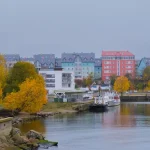
📷 Featured image by Stefan Hiienurm on Unsplash.