On this page
- Discovering Saaremaa’s Island Soul
- Where to Base Your Saaremaa Adventure
- Saaremaa’s Unmissable Experiences
- Saaremaa’s Culinary Island Paradise
- Getting Around Estonia’s Largest Island
- Island-Hopping Adventures from Saaremaa
- Saaremaa After Dark
- Shopping for Authentic Island Treasures
- Where to Rest Your Head on Saaremaa
- Timing Your Saaremaa Journey
- Essential Island Survival Guide
- Daily Budget Reality for 2026
- Frequently Asked Questions
💰 Click here to see Estonia Budget Breakdown
💰 Prices updated: October, 2026. Budget figures are estimates — always verify before travel.
Exchange Rate: $1 USD = €0.88
Daily Budget (per person)
Shoestring: €40.00 – €70.00 ($45.45 – $79.55)
Mid-range: €120.00 – €250.00 ($136.36 – $284.09)
Comfortable: €300.00 – €900.00 ($340.91 – $1,022.73)
Accommodation (per night)
Hostel/guesthouse: €15.00 – €40.00 ($17.05 – $45.45)
Mid-range hotel: €60.00 – €150.00 ($68.18 – $170.45)
Food (per meal)
Budget meal: €15.00 ($17.05)
Mid-range meal: €35.00 ($39.77)
Upscale meal: €100.00 ($113.64)
Transport
Single metro/bus trip: €2.00 ($2.27)
Monthly transport pass: €30.00 ($34.09)
Planning a trip to Saaremaa in 2026 means preparing for Estonia’s most enigmatic island experience, where ancient meteorite craters meet medieval fortresses and juniper-scented landscapes stretch to dramatic limestone cliffs. With the new express ferry service cutting travel time from Tallinn to just 3.5 hours and improved cycling infrastructure connecting remote villages, Estonia’s largest island has never been more accessible while retaining its wild, mystical character.
Discovering Saaremaa’s Island Soul
Saaremaa pulses with an energy completely distinct from mainland Estonia. This windswept island of 2,673 square kilometers feels like stepping into a Nordic fairy tale where time moves differently. Ancient juniper groves carpet the landscape between traditional thatched-roof farmhouses, while the scent of wild herbs drifts across meadows where sheep graze beneath slowly turning windmills.
The island’s 30,000 residents have cultivated a fierce independence over centuries, developing their own dialect, brewing traditions, and craft techniques that remain largely unchanged. Visitors quickly discover that Saaremaa isn’t just a destination—it’s a state of mind where rushing becomes impossible and every meal feels like a celebration of island bounty.
What sets Saaremaa apart is its remarkable diversity packed into a manageable area. You can explore a 700-year-old castle in the morning, swim in a meteorite crater lake after lunch, and watch the sunset from 50-meter limestone cliffs—all within a 30-minute drive. The island’s compact size makes it perfect for travelers who want maximum variety without constant packing and unpacking.
Where to Base Your Saaremaa Adventure
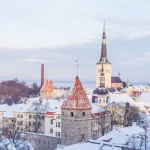
Kuressaare serves as Saaremaa’s undisputed heart, where most visitors establish their base. This charming town of 13,000 revolves around its spectacular 14th-century castle and offers the island’s widest selection of restaurants, hotels, and tour operators. The medieval Old Town comes alive during summer evenings when locals gather at outdoor cafés along Lossi Street, and the weekly market fills Raekoja Square with island-grown produce and handmade crafts.

For those seeking authentic rural immersion, the Kihelkonna peninsula on Saaremaa’s western tip provides unmatched access to the island’s most dramatic landscapes. Staying in traditional farmhouse accommodations here puts you within walking distance of the Panga Cliffs and ancient Kiipsaare Lighthouse, while evening silence is broken only by wind through juniper trees and distant ocean waves.
The island’s northern coast around Leisi offers a perfect middle ground—close enough to reach Kuressaare in 20 minutes, yet surrounded by pristine forests and hidden coves where you might not encounter another soul all day. Many of Saaremaa’s most authentic farm-to-table restaurants operate in this region, taking advantage of fertile soils and proximity to fishing villages.
Budget-conscious travelers increasingly choose camping or guesthouse stays in smaller villages like Valjala or Karja, both offering easy access to major attractions while providing genuine interactions with local families. These communities showcase traditional Saaremaa life, from ancient churches to working windmills that still grind grain for local bakeries.
Saaremaa’s Unmissable Experiences
Kuressaare Castle stands as Northern Europe’s best-preserved medieval fortress, its imposing walls rising directly from a water-filled moat. The 2026 renovation added interactive exhibits that bring 700 years of island history to life, including virtual reality experiences of medieval sieges and archaeological discoveries from recent excavations. Climbing the castle’s towers rewards visitors with panoramic views across Kuressaare Bay to the Estonian mainland.
The Kaali Meteorite Crater, formed 4,000 years ago when a massive space rock shattered into nine fragments, creates an otherworldly landscape just 15 minutes from Kuressaare. The main crater holds a mysterious circular lake where locals once made sacrificial offerings, while smaller craters dot the surrounding forest. The newly opened visitor center uses cutting-edge displays to explain the cosmic collision that created this unique geological site.

Angla Windmill Park preserves five historic windmills that once dotted Saaremaa’s landscape by the hundreds. These wooden giants, some dating to the 17th century, still operate during summer demonstrations when millers dress in traditional costumes and explain centuries-old grain processing techniques. The surrounding meadows burst with wildflowers during June and July, creating Instagram-worthy scenes of pastoral perfection.
Panga Cliffs deliver Saaremaa’s most spectacular coastal scenery, where limestone walls plunge 21 meters into the Baltic Sea. The clifftop walking trail extends for three kilometers, passing through juniper forests and offering multiple viewpoints where the crash of waves against rocks below mingles with birdsong from ancient trees. Spring migration brings thousands of seabirds to these cliffs, making it Estonia’s premier birdwatching destination.
Vilsandi National Park, accessible by guided boat tours from Kihelkonna, protects 150 islands and islets where gray seals bask on rocky shores and rare orchids bloom in coastal meadows. The park’s main island features a historic lighthouse and research station where visitors can learn about Baltic Sea conservation efforts while exploring some of Estonia’s most pristine wilderness.
Saaremaa’s Culinary Island Paradise
Kuressaare Market Hall transforms Saturday mornings into a celebration of island flavors where vendors offer everything from smoked fish caught that morning to preserves made from foraged berries. The warmth of fresh bread mingles with the sharp scent of aged island cheeses, while local honey drips golden from wooden spoons as beekeepers explain their craft to curious visitors.
Saaremaa Brewery has revolutionized Estonian craft beer since expanding their operations in 2025, specializing in brews flavored with indigenous juniper berries. Their tasting room in Kuressaare offers guided sessions where visitors sample limited editions like smoked porter aged in oak barrels and seasonal wheat beers infused with wild herbs gathered from island meadows.

Restaurant La Perla on Kuressaare’s harbor front elevates island ingredients to fine dining heights, where locally caught Baltic herring appears in delicate carpaccio and Saaremaa lamb is slow-roasted with foraged mushrooms and juniper. The restaurant’s wine cellar focuses on natural wines that complement rather than overpower the subtle flavors of island cuisine.
Traditional farm restaurants throughout rural Saaremaa operate on a reservation-only basis, offering multi-course meals prepared entirely from ingredients grown or raised on the property. Maasikas Farm near Karja serves legendary seven-course dinners where each dish tells the story of seasonal island life, from spring nettle soup to autumn game stewed with preserved berries.
For casual dining, seek out the food trucks that gather around Kuressaare Castle during summer evenings, serving everything from gourmet burgers made with island beef to traditional Estonian pancakes topped with local berries and cream. These mobile kitchens represent a new generation of island chefs putting modern twists on ancestral recipes.
Getting Around Estonia’s Largest Island
Ferry service from Virtsu on the Estonian mainland runs every 30 minutes during peak season, with the 25-minute crossing offering spectacular views of smaller islands scattered across Väinameri Sea. The 2026 introduction of hybrid ferries reduced both travel time and environmental impact, while advance online booking guarantees space for vehicles during busy summer weekends.
Renting a car provides maximum flexibility for exploring Saaremaa’s scattered attractions, with several agencies operating from Kuressaare and the Kuivastu ferry terminal. Island roads are generally excellent, though rural routes can be narrow and winding. GPS coverage is comprehensive, but downloading offline maps prevents connectivity issues in remote areas.
Cycling has exploded in popularity since the completion of the 250-kilometer Saaremaa Bicycle Route in 2025, connecting all major attractions via quiet country roads and dedicated bike paths. Electric bike rentals are available throughout Kuressaare, making the island’s gentle hills accessible to cyclists of all fitness levels. Many accommodations now offer secure bike storage and basic repair tools.

Local buses connect major towns and villages, but services are limited on weekends and practically nonexistent during winter months. The main Kuressaare-Kihelkonna route runs four times daily during summer, stopping at popular attractions like Angla Windmills and Kaali Crater. Bus stops often lack shelters, so checking weather forecasts is essential.
Organized tours solve transportation challenges for visitors without cars, with numerous operators offering full-day excursions covering multiple attractions. These tours range from large coach groups to intimate small-group experiences in vintage Soviet-era vehicles, each providing different perspectives on island culture and history.
Island-Hopping Adventures from Saaremaa
Muhu Island, connected to Saaremaa by a causeway, deserves a full day for exploring its ancient churches and traditional thatched-roof architecture. The island’s Koguva Village Museum preserves 14th-century farm buildings where costumed interpreters demonstrate traditional crafts like wool spinning and bread baking. The return journey takes just 45 minutes, making it perfect for morning departures with afternoon returns to Saaremaa.
Abruka Island boat trips from Roomassaare harbor reveal pristine wilderness where wild orchids bloom in coastal meadows and rare birds nest in undisturbed forests. These three-hour excursions include guided nature walks with marine biologists who explain Baltic Sea ecology while pointing out seals lounging on offshore rocks. The island’s isolation creates an almost prehistoric atmosphere where human footprints seem like recent intrusions.
Vilsandi Island expeditions combine wildlife watching with cultural history, visiting the lighthouse keeper’s museum and seal research station where scientists study Baltic Sea marine life. These full-day trips include picnic lunches eaten on rocky shores while seabirds wheel overhead and waves crash against limestone cliffs. Weather dependency makes advance booking essential, with backup dates recommended during shoulder seasons.

Ruhnu Island, accessible by seasonal flights from Kuressaare Airport, offers the ultimate remote island experience where Swedish fishing traditions survived centuries of political upheaval. The 90-minute flight reveals tiny islands scattered like emeralds across blue water, while the island itself features wooden churches, traditional fish-smoking houses, and beaches where visitors often walk for hours without encountering another soul.
Hiiumaa Island day trips via inter-island ferry showcase Estonia’s second-largest island, famous for its towering lighthouses and ancient meteorite craters. The two-hour ferry journey crosses the Soela Strait, arriving at Heltermaa harbor where rental cars wait for exploring Hiiumaa’s scattered attractions. Most visitors focus on Kõpu Lighthouse, one of the world’s oldest continuously operating beacons, and the mysterious Hiiumaa craters formed by prehistoric cosmic impacts.
Saaremaa After Dark
Traditional sauna culture reaches its peak on Saaremaa, where smoke saunas heated with juniper wood create intensely aromatic experiences followed by plunges into natural pools or the Baltic Sea. Many farm accommodations offer private sauna sessions where guests can experience authentic island traditions while watching stars appear over ancient forests.
Kuressaare’s bar scene centers around the medieval castle district, where centuries-old cellars have been converted into intimate drinking establishments. Pub London Underground, built in actual medieval tunnels, serves local beers while live acoustic music echoes off stone walls. The atmosphere becomes especially magical during winter months when candlelight flickers against ancient masonry.
Folk music thrives throughout Saaremaa, with traditional ensembles performing at restaurants, festivals, and impromptu village celebrations. The island’s isolation preserved musical traditions that disappeared elsewhere in Estonia, including ancient work songs and ceremonial melodies passed down through generations. Summer evenings often feature spontaneous performances in Kuressaare’s main square.

Saaremaa’s craft distillery scene has exploded since 2024, with several small-batch operations producing gin flavored with indigenous botanicals like sea buckthorn and wild juniper. Distillery tours typically include tastings paired with local cheeses and smoked fish, creating sophisticated evening experiences that showcase island flavors in concentrated form.
Beach bonfires represent the ultimate Saaremaa evening experience, where locals and visitors gather around driftwood fires while watching sunset paint the sky in brilliant oranges and purples. Many beaches provide designated fire pits and firewood, though bringing marshmallows or sausages for roasting enhances these spontaneous social gatherings that often continue well past midnight during white summer nights.
Shopping for Authentic Island Treasures
Kuressaare’s medieval streets house numerous artisan workshops where visitors can watch craftspeople create traditional Estonian goods using centuries-old techniques. The narrow alleyways between Lossi and Tallinna streets hide small studios where potters throw clay on foot-powered wheels and weavers create intricate patterns on wooden looms, often welcoming visitors to try their hand at ancient crafts.
Saaremaa’s wool tradition produces some of Estonia’s finest knitwear, with patterns unique to the island’s isolated culture. The Kuressaare Wool Shop stocks sweaters, mittens, and scarves made by island knitters using traditional techniques and locally raised sheep wool. Each piece carries subtle design elements that identify its origin to knowledgeable Estonians, making these items treasured souvenirs that tell stories of island heritage.
Juniper products showcase Saaremaa’s most distinctive natural resource, from essential oils and soaps to decorative items carved from the aromatic wood. Local workshops demonstrate how juniper berries become gin, while craftsmen carve the twisted wood into jewelry boxes and kitchen utensils. The sharp, clean scent of juniper permeates these shops, creating an instantly recognizable sensory memory of Saaremaa.

Weekend markets in village squares across the island feature farmers selling preserves, honey, and smoked fish alongside handicrafts made during long winter evenings. These informal gatherings operate on trust-based payment systems where customers leave money in wooden boxes while vendors chat with neighbors. The social aspect often proves as valuable as the purchases, providing genuine insights into island life.
Saaremaa Gin Distillery’s tasting room doubles as a boutique where visitors can purchase limited-edition spirits infused with foraged botanicals like sea buckthorn and wild rose hips. The distillery’s small-batch approach means some flavors remain available for only a few weeks, creating collector’s items that capture specific moments in Saaremaa’s seasonal cycle.
Where to Rest Your Head on Saaremaa
Budget accommodations center around Kuressaare’s hostel scene and rural camping opportunities that put visitors close to nature without breaking the bank. Hostel Kuressaare offers dormitory beds from €18 per night in a renovated 19th-century mansion, while numerous farms across the island provide camping spots from €8 per person, often including access to traditional saunas and home-cooked breakfast options.
Mid-range options include charming guesthouses in converted farmhouses where rooms range from €45-75 per night and include hearty breakfasts featuring island-grown ingredients. Pädaste Manor, despite its luxury reputation, offers standard rooms at reasonable rates during off-season, while smaller establishments like Veski Farm provide authentic rural experiences with modern comfort levels that satisfy most travelers’ expectations.
Luxury seekers gravitate toward boutique properties that blend historical architecture with contemporary amenities. Kuressaare Castle Hotel occupies a beautifully restored 18th-century building where rooms from €120-180 per night feature period furnishings and views of the medieval fortress. Pädaste Manor’s premium suites command €300+ per night but deliver world-class spa services and Michelin-level dining in an unparalleled island setting.

Farm stays represent Saaremaa’s most authentic accommodation option, where families open their homes to visitors seeking genuine cultural immersion. These experiences range from working farms where guests participate in daily activities to renovated historic properties that maintain traditional architecture while providing modern conveniences. Prices typically fall between €35-65 per night with breakfast included.
Unique accommodation options include restored windmills, lighthouse keeper’s cottages, and eco-lodges built from local materials using sustainable construction techniques. These specialty properties book quickly during summer months, but offer unforgettable experiences where guests sleep surrounded by island history and wake to sounds of wind through juniper trees or waves against rocky shores.
Timing Your Saaremaa Journey
Summer months from June through August deliver Saaremaa’s warmest weather and longest days, with temperatures reaching comfortable 20-25°C and daylight extending until nearly 11 PM. This peak season brings abundant wildflowers to coastal meadows, optimal conditions for swimming and cycling, and the full schedule of ferry services that make island-hopping most convenient. However, accommodation prices peak during these months, and popular attractions experience their heaviest crowds.
Late spring (May) and early autumn (September) provide Saaremaa’s sweet spot for weather, pricing, and crowd levels. Temperatures remain pleasant at 15-18°C, most attractions operate full schedules, and accommodation rates drop significantly from summer peaks. September offers the bonus of harvest season, when farms welcome visitors for apple picking and traditional preservation activities that showcase island self-sufficiency traditions.
Winter transforms Saaremaa into a stark, beautiful landscape where frozen coastlines and snow-covered juniper forests create dramatic Nordic scenery. Ferry services reduce to essential schedules, many rural restaurants close, and temperatures hover around freezing, but visitors willing to embrace winter solitude discover an island where traditional life continues largely unchanged by tourism. Accommodation rates plummet to their lowest levels, and northern lights occasionally illuminate the southern Estonian sky.

Festival timing can make or break a Saaremaa visit, with the Opera Festival in July transforming Kuressaare Castle into an outdoor concert venue where international performers stage productions against medieval backdrops. The Saaremaa Rally in October brings motorsports fans from across Europe, while traditional harvest festivals throughout September celebrate island agriculture with food tastings, craft demonstrations, and folk music performances.
Essential Island Survival Guide
Ferry schedules drive all Saaremaa travel planning, with services running every 30 minutes during summer but reducing to hourly departures during winter months. The last ferry typically departs around 10 PM, though exact times vary seasonally. Missing the final sailing means an expensive overnight stay on the mainland, so building buffer time into departure schedules prevents costly mistakes. Online booking systems allow advance reservations for vehicles, while foot passengers can usually board without reservations except during major festivals.
ATM availability concentrates in Kuressaare, with machines located at the main square, ferry terminal, and major hotels. Rural areas have limited banking services, and many small businesses operate on cash-only basis, particularly at farmers’ markets and craft workshops. Credit cards work at most restaurants and hotels, but carrying €50-100 in cash ensures smooth transactions throughout the island.
Mobile phone coverage reaches most inhabited areas through Estonia’s three major networks, though some remote coastal regions experience spotty signals. Purchasing a local SIM card at Kuressaare’s electronics stores provides better rates than international roaming, while many accommodations offer complimentary WiFi that often proves faster than mobile data in rural locations.
Medical services center around Kuressaare Hospital, which provides 24-hour emergency care and maintains a well-stocked pharmacy. Rural areas rely on small clinics with limited hours, making travel insurance essential for serious medical situations. Most medications require prescriptions, though basic pain relievers and first aid supplies are available at grocery stores throughout the island.

Language barriers rarely pose serious problems, as most tourism-related businesses employ English-speaking staff. However, learning basic Estonian phrases like “tere” (hello) and “tänan” (thank you) opens doors to genuine interactions with locals who appreciate visitors’ cultural efforts. Older residents often speak Russian or German better than English, while younger islanders typically handle multiple languages with impressive fluency.
Daily Budget Reality for 2026
Budget travelers can explore Saaremaa comfortably on €40-55 per day by staying in hostels or camping (€8-18 per night), eating at local markets and casual restaurants (€12-20 per day), and using public transportation or cycling for getting around (€5-10 per day). This budget level requires advance planning and flexibility but allows access to most major attractions, with entrance fees typically ranging from €3-8 per site.
Mid-range visitors spending €75-120 per day enjoy guesthouse accommodation (€45-75 per night), restaurant meals featuring local specialties (€25-40 per day), and occasional taxi rides or car rental costs (€20-35 per day). This budget comfortably covers guided tours, craft beer tastings, and souvenir shopping while maintaining good comfort levels throughout the stay.
Comfortable travel at €150-250 per day includes boutique hotel stays (€120-180 per night), fine dining experiences with wine pairings (€50-80 per meal), private transportation or rental cars (€40-60 per day), and premium experiences like spa treatments or private boat tours. This budget allows spontaneous activities and ensures access to Saaremaa’s best accommodation and dining options.
Luxury experiences exceeding €300 per day feature premium manor house stays, private guides, helicopter transfers, and exclusive access to normally closed attractions. While Saaremaa isn’t primarily a luxury destination, high-end options exist for travelers seeking exceptional service and unique experiences like private concerts in medieval castles or chartered sailing excursions to uninhabited islands.
Frequently Asked Questions
How long should I spend on Saaremaa?
Three to four days provides time to see major attractions, experience island culture, and take one day trip. Extended stays of a week or more allow for deeper exploration of remote areas and participation in seasonal activities like harvest festivals or traditional craft workshops.
Do I need a car to explore Saaremaa?
While a car offers maximum flexibility, buses connect major attractions during summer, and organized tours cover most highlights. Cycling works well for fit travelers, though distances between attractions can be significant. Many visitors combine methods, using buses for longer distances and walking or cycling locally.
Can I visit Saaremaa as a day trip?
Day trips are possible but rushed, allowing time for only 2-3 major attractions. Ferry travel alone consumes nearly two hours, leaving limited time for exploration. Most visitors find overnight stays necessary to truly appreciate the island’s relaxed pace and natural beauty.
What should I pack for Saaremaa?
Weather-appropriate layers are essential, as island conditions can change quickly. Waterproof jackets work year-round, while summer visits require swimwear and sun protection. Comfortable walking shoes handle most terrain, though hiking boots help for coastal cliff walks and forest trails.
Is Saaremaa family-friendly?
Saaremaa excels for families with children who enjoy nature and history. Castle explorations, beach activities, and farm visits engage young minds, while the island’s safety and compact size reduce parental stress. Many accommodations offer family rooms, and restaurants welcome children with enthusiasm typical of Estonian hospitality.
Explore more
Best Restaurants in Saaremaa: Your Ultimate Foodie Guide
Where to Eat in Kuressaare: Top Picks for Every Budget
📷 Featured image by Transly Translation Agency on Unsplash.