💰 Click here to see Estonia Budget Breakdown
💰 Prices updated: October, 2026. Budget figures are estimates — always verify before travel.
Exchange Rate: $1 USD = €0.88
Daily Budget (per person)
Shoestring: €40.00 – €70.00 ($45.45 – $79.55)
Mid-range: €120.00 – €250.00 ($136.36 – $284.09)
Comfortable: €300.00 – €900.00 ($340.91 – $1,022.73)
Accommodation (per night)
Hostel/guesthouse: €15.00 – €40.00 ($17.05 – $45.45)
Mid-range hotel: €60.00 – €150.00 ($68.18 – $170.45)
Food (per meal)
Budget meal: €15.00 ($17.05)
Mid-range meal: €35.00 ($39.77)
Upscale meal: €100.00 ($113.64)
Transport
Single metro/bus trip: €2.00 ($2.27)
Monthly transport pass: €30.00 ($34.09)
Getting from Tallinn to Lahemaa National Park
In 2026, more visitors are attempting Lahemaa as a self-guided day trip than ever before — and the biggest complaint online is arriving too late, spending an hour confused at a junction, and missing half the park. Lahemaa covers roughly 725 square kilometres. It is Estonia’s largest national park, and it rewards people who plan the logistics before they arrive, not in a car park at noon.
The most flexible way to reach Lahemaa is by rental car from Tallinn. The drive to the park’s western edge at Palmse Manor takes about 75 kilometres along the E20 motorway, then secondary roads — roughly 1 hour 15 minutes in normal traffic. Pick up your car the evening before if possible, so you can leave Tallinn by 8:00 AM and beat the summer coach groups to the manor houses.
If you are not driving, the practical option in 2026 is a shared minibus day tour departing from Tallinn’s Viru bus station or the Tallinn cruise terminal. Several local operators run these daily from May through September. They collect you, move you between sites, and return you by early evening. Solo travellers and couples consistently rate this the least stressful approach because parking inside the park — particularly at Altja and Käsmu — has become genuinely difficult on summer weekends.
Public bus connections exist but are designed for locals, not day-trippers. A bus to Viitna or Võsu runs from Tallinn’s Tallinn Bus Terminal (Bussijaam), but services are infrequent, and you cannot hop between park zones without a car or taxi. If you arrive by public bus, you are essentially committing to one village for the day.
How to Structure Your Day
Lahemaa does not have one centre. It has four peninsulas, two major river valleys, a bog, a coastline, and several manor estates. Trying to see everything in a day guarantees you see nothing properly. The solution is to pick a zone and commit to it.
The western loop suits first-time visitors best. Start at Palmse Manor when it opens at 10:00 AM, spend 90 minutes there, then drive 15 minutes north to Altja fishing village for lunch, then east to Viru Bog for a late-afternoon boardwalk walk. You are back in Tallinn by 19:00.

The Käsmu peninsula loop works well for people who want coastline over manor houses. Käsmu village is quiet in the early morning — the smell of pine resin warming in the sun and the faint creak of wooden boats at the small harbour make it worth arriving by 9:00 AM before the day warms up. From there, walk the coastal trail north to the boulder fields, return to the village for lunch at the local café, then drive to Sagadi Manor in the afternoon.
Whichever loop you choose, build in at least 30 minutes of unplanned time. Lahemaa has a habit of producing detours — a marked trail you did not see on the map, a wild beach with nobody on it, an unmarked farm selling smoked fish from a handwritten sign by the road.
The Manor Houses: Palmse, Sagadi, and Vihula
Lahemaa was the summer retreat of Baltic German noble families for centuries, and three manor houses survive in varying states of restoration. Each has a genuinely different character, so which you visit depends on what you want from the stop.
Palmse Manor is the flagship. Fully restored with a French-style garden, a distillery building, a carriage museum, and a swan pond, it is the most polished experience in the park. In 2026, the visitor centre here was expanded with a new interactive exhibition on the park’s ecosystems — well done, not gimmicky. Entry to the grounds is free; the manor house museum costs around €6 per adult.
Sagadi Manor is smaller and quieter. It houses the Forest Museum, which sounds dry but is actually one of the better nature interpretation spaces in Estonia. The grounds have a short marked trail into the surrounding forest. Families with children tend to prefer Sagadi over Palmse because there is more room to wander without crowds.
Vihula Manor has been converted into a hotel and spa. You can visit the courtyard and café without staying, and the grounds are attractive. If you want a proper lunch in a historic setting rather than a packed lunch by a bog, Vihula is the right stop.
Coastal Villages, Boulder Fields, and Viru Bog
The natural highlights of Lahemaa are just as compelling as the manor houses, and they are what most visitors underestimate when they plan on paper.

Altja is a restored 18th-century fishing village on the north coast. The wooden net sheds, the tavern (one of the best places in the park for traditional Estonian food), and the walking trail east along the coast are all within easy reach of the small car park. The trail leads to the Altja boulder field — a glacially deposited scatter of enormous granite boulders along the shoreline. Walking among them at low tide, with the Baltic wind coming off the water and the boulders still cold and slightly damp from the morning, is one of those moments that does not photograph well but stays with you.
Käsmu is known as the “Captain’s Village” because of its seafaring history. The village has a small maritime museum, a handful of guesthouses, and access to one of Estonia’s most scenic coastal walking trails. The water here is unusually clear for the Baltic, and in summer the sea temperature reaches around 20°C — warm enough to swim.
Viru Bog sits inland, south of Käsmu, and offers a completely different environment. A 3.5-kilometre wooden boardwalk loops through open bog landscape — low, treeless, with the horizon stretching flat in every direction. It takes about 90 minutes at a comfortable pace. The bog is at its most striking in early morning when low mist sits between the hummocks, or in late September when the heather turns deep purple. The car park at Viru Bog fills up fast on sunny weekends; arrive before 10:00 AM or after 16:00.
2026 Budget Reality
Lahemaa National Park itself charges no general admission fee. What you pay for are specific museums, activities, and getting there.
- Transport — Budget: Public bus to Viitna or Võsu costs around €5–€7 one way from Tallinn. Limits your mobility significantly.
- Transport — Mid-range: Shared minibus day tour from Tallinn runs €35–€55 per person in 2026, including transport and a guide. Lunch is usually not included.
- Transport — Comfortable: Renting a small car for the day from a Tallinn city centre office costs €45–€70 including fuel for the day trip. Gives you full freedom.
- Palmse Manor museum entry: ~€6 adults, ~€3 children. Grounds free.
- Sagadi Forest Museum: ~€5 adults.
- Viru Bog boardwalk: Free.
- Lunch at Altja Tavern: €12–€18 for a main course with a drink. Expect elk stew, smoked fish, dark rye bread, and local beer.
- Guided nature walks with a park ranger: €15–€25 per person, bookable via the Lahemaa Visitor Centre website.

A realistic full day budget for one person travelling independently by rental car (split between two people) sits around €60–€80 including transport, two museum entries, and lunch. A guided group tour keeps costs closer to €55–€70 all-in.
What to Wear and Pack
Lahemaa’s terrain shifts from groomed manor gardens to forest trails to coastal rocks to open bog within a single day. What you wear matters more here than on a standard city trip.
Spring (March–May): Trails are wet and sometimes muddy well into May. Waterproof boots are not optional — trail shoes will leave you with soaked feet by 11:00 AM on any bog walk. Temperatures range from 2°C to 14°C. Bring a mid-layer and a wind-resistant outer shell.
Summer (June–August): This is tick season in Estonian forests. Tuck trousers into socks or wear long socks when walking through undergrowth. Bring insect repellent — mosquitoes near the bog can be aggressive in July. Sunscreen matters on the open coastal trail. Temperatures range from 17°C to 25°C most days.
Autumn (September–October): The best season visually — amber forest, low light, empty trails. Layers are essential as mornings start cold (5°C–8°C) and afternoons can reach 15°C. Waterproof jacket always.
Winter (November–February): The park is open year-round. Snow transforms the bog and forest, and cross-country ski tracks are maintained on some trails. Pack serious cold-weather gear — temperatures regularly drop to -10°C or below. The bog boardwalk may be icy; poles help.
Regardless of season: bring a physical or downloaded map of the park. Mobile signal drops out in several areas, particularly on the Käsmu peninsula’s northern tip and in the forest sections between Sagadi and Palmse.
Frequently Asked Questions
Is Lahemaa National Park worth visiting as a day trip from Tallinn?
Yes, for most visitors it is the best day trip available from Tallinn. The combination of coastline, ancient forest, bog, and historic manor houses within 75 kilometres of the city is hard to match anywhere in the Baltic region. One full day is enough to see the highlights if you plan your route in advance.
Do I need to book anything in advance for Lahemaa?
In 2026, advance booking is recommended for the Käsmu parking permit (free, online), guided ranger walks, and any summer weekend visit to Palmse Manor museum. The Altja Tavern does not take reservations and fills up fast at lunch — arrive before 12:30 or after 14:00 to avoid a long wait.

Can I visit Lahemaa without a car?
Technically yes, but it is limiting. Public buses reach a few villages but do not connect the park zones. A shared minibus day tour from Tallinn is the practical alternative for non-drivers, covering the main sites and removing the logistics entirely.
What is the best time of year to visit Lahemaa National Park?
Late May through early June offers the best balance of green landscapes, manageable crowds, and reasonable weather. September is the most atmospheric month — the forest turns gold, the tourist volume drops sharply, and the light is exceptional. July and August are busiest, particularly on weekends at Käsmu and Viru Bog.
Are there places to eat inside Lahemaa National Park?
Yes, but options are limited. The Altja Tavern is the most reliable lunch stop and serves solid Estonian food. Vihula Manor has a café and restaurant. Käsmu has a small café that is open from June through September. Outside summer, food options shrink considerably — bringing your own lunch is always a sensible backup.
Explore more
15 Must-Visit Bars in Tallinn for Every Taste
Best Shopping in Tallinn: Top Malls, Markets & Independent Boutiques
Beyond Tallinn: The Best Day Trips to Explore Estonia & Helsinki
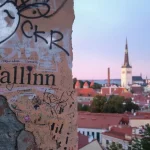
📷 Featured image by Frederic Köberl on Unsplash.