On this page
- Why Haapsalu Works So Well for Families
- The Beach Scene: Where Kids Actually Want to Spend Their Time
- Haapsalu Castle and the Bishop’s Manor: History That Holds a Child’s Attention
- The Estonian Railway Museum: Trains, Steam, and Hands-On Exploration
- Nature Walks and Cycling Routes Sized for Short Legs
- Where to Eat with Kids in Haapsalu
- Rainy Day Options and Indoor Attractions
- Day Trips Families Can Do from Haapsalu
- Best Time to Visit Haapsalu with Kids
- Where to Stay with a Family
- Getting to and Around Haapsalu with Children
- Family Budget Breakdown for Haapsalu in 2026
- Frequently Asked Questions
💰 Click here to see Estonia Budget Breakdown
💰 Prices updated: October, 2026. Budget figures are estimates — always verify before travel.
Exchange Rate: $1 USD = €0.88
Daily Budget (per person)
Shoestring: €40.00 – €70.00 ($45.45 – $79.55)
Mid-range: €120.00 – €250.00 ($136.36 – $284.09)
Comfortable: €300.00 – €900.00 ($340.91 – $1,022.73)
Accommodation (per night)
Hostel/guesthouse: €15.00 – €40.00 ($17.05 – $45.45)
Mid-range hotel: €60.00 – €150.00 ($68.18 – $170.45)
Food (per meal)
Budget meal: €15.00 ($17.05)
Mid-range meal: €35.00 ($39.77)
Upscale meal: €100.00 ($113.64)
Transport
Single metro/bus trip: €2.00 ($2.27)
Monthly transport pass: €30.00 ($34.09)
Family travel in Estonia in 2026 means navigating a country that has quietly become one of the most child-friendly destinations in Northern Europe — yet most parents still default to Tallinn and miss everything west of it. Haapsalu is exactly the kind of place that rewards families who look a little further. It is compact, calm, walkable, and sits on a shallow bay where the water warms up enough in summer for kids to actually swim. The challenge parents face right now is finding reliable, up-to-date information on what is genuinely good here for children versus what the tourist brochures oversell. This guide cuts straight to what works.
Why Haapsalu Works So Well for Families
Haapsalu is a small Estonian resort town of around 10,000 people on the west coast, about 100 kilometres from Tallinn. It has been a seaside retreat since the 19th century, when Russian nobility came for the therapeutic mud baths. What that history left behind is a town built around leisure — wide promenades, parks, a calm bay, and a pace of life that does not stress anyone out, least of all tired parents.
The town is genuinely walkable. The castle, the main beach, the railway museum, and the old town centre are all within 15 minutes on foot of each other. There are no busy multi-lane roads cutting through the middle of everything. Pushchairs and prams move easily on the smooth promenade paths. Children have room to run without parents constantly pulling them back.
In 2026, Haapsalu has also expanded its family infrastructure modestly but meaningfully. The promenade underwent a final phase of resurfacing in late 2025, making the full 3-kilometre coastal walk fully accessible. Several new family-friendly guesthouses opened in the 2025 season. The town is small enough that you never feel lost, and local people are patient with visitors who speak no Estonian.
The Beach Scene: Where Kids Actually Want to Spend Their Time
Haapsalu’s main draw for children is simple: the water. The Haapsalu Bay is shallow and sheltered, which means the sea temperature climbs to 20–22°C by mid-July and stays there into August. For a Baltic coast destination, that is genuinely warm. Children can wade out 30 or 40 metres before it reaches their waist, and there are no strong currents or waves to worry about.
The main family beach is at Paralepa, about 2 kilometres from the town centre. It has changing facilities, a café, and a grassy area behind the sand where parents can sit in the shade. The sand here is fine and pale, not rocky, and the bottom underfoot is smooth. On a July afternoon, the smell of sunscreen and grilled sausages from the beach café drifts across the whole area — it feels like a proper seaside summer.

Tagalaht is a smaller, quieter alternative closer to town. It suits families with very young children because it is even shallower and far less crowded than Paralepa on summer weekends. There are no facilities, so bring what you need.
The African Beach (Aafrika rand) is a local favourite — a strip of shore on the southern edge of town named for its unusually fine sand. It has a small playground right next to it, which means children can move between the water and the swings without anyone having to pack up and relocate.
Haapsalu Castle and the Bishop’s Manor: History That Holds a Child’s Attention
Medieval ruins can go either way with children. Haapsalu Castle manages to land on the right side of that equation, and the reason is straightforward: there is enough to climb on, enough space to run around inside, and enough theatrical storytelling layered into the site to keep even restless children engaged for a couple of hours.
The castle dates to the 13th century and is one of the best-preserved episcopal fortresses in the Baltic states. The outer walls are largely intact, which means children can walk along sections of the fortifications and look out over the town. The inner courtyard is open and grassy — a natural place for younger kids to burn energy while older ones explore the towers.
The White Lady legend is the castle’s most famous story, and it is genuinely well-suited to children. According to local tradition, the ghost of a young woman appears in the chapel window on August full moon nights. The castle leans into this — there are signage and storytelling elements around the site, and in summer, evening events centre on the legend. Even if you do not visit for the full moon, the story itself is the kind of thing children repeat for weeks after.

The Haapsalu Regional Museum is housed within the castle complex and covers local history in an accessible way. The exhibits are not overloaded with text, and there are some hands-on elements suited to older children. The combined ticket for the castle and museum costs around 8 EUR for adults and 4 EUR for children in 2026. Family tickets are available.
The castle also hosts the Medieval Days festival every July, with costumed knights, craft demonstrations, archery, and food stalls. It is one of the highlights of the summer calendar and absolutely worth timing a visit around if you can.
The Estonian Railway Museum: Trains, Steam, and Hands-On Exploration
This is the attraction that surprises most families. The Estonian Railway Museum in Haapsalu sits in the town’s beautifully restored 19th-century railway station — itself an architectural gem with a covered platform that was, at the time of its construction, one of the longest in the Russian Empire.
The museum has an outdoor collection of historic locomotives and carriages, several of which children can climb into. There is something about being allowed to sit in the driver’s cab of a Soviet-era diesel locomotive that genuinely thrills children in a way a glass cabinet of artefacts never does. The sheer scale of the machinery — close up, with rust textures you can touch and levers you can examine — creates a vivid impression.
Inside, the exhibits cover the history of Estonian railways with good English labelling. The station building itself is a draw: the long wooden platform, the wrought ironwork, and the old waiting rooms feel frozen in time. In summer, the museum sometimes operates short steam train rides on a restored section of track — check the museum’s schedule in advance as these run on specific dates rather than daily.
Entry is around 5 EUR for adults, 3 EUR for children in 2026, making it one of the most affordable attractions in town. Budget around 90 minutes to two hours.
Nature Walks and Cycling Routes Sized for Short Legs
Haapsalu sits at the edge of a remarkable natural landscape, and much of it is accessible to families without requiring serious hiking fitness. The Haapsalu–Roosta Cycling and Walking Route runs along the coast and through reed beds, with flat terrain and good surfaces for the majority of its length. The section between Haapsalu and the Paralepa Forest is ideal for families — about 4 kilometres one way, shaded by pines, with glimpses of the bay through the trees.

The Paralepa Park itself is a pine forest right next to the beach, with marked walking trails and picnic areas. The light filtering through the pine canopy on a warm afternoon, the soft crunch of dry needles underfoot — it is the kind of gentle natural setting that works well for families with younger children who want to explore without the challenge of rough terrain.
The Haapsalu Promenade is the easiest option of all. The full 3-kilometre route circles the bay and passes the castle, the beach areas, and the old wooden villas that give Haapsalu much of its character. Children can cycle, scooter, or walk without any traffic concern. Bicycle and scooter hire is available from several points in town; expect to pay around 8–12 EUR per bike per day.
For birdwatching families, the reed beds around Haapsalu Bay are exceptional. The Läänemaa coast is on a major migratory route, and in spring and early autumn, the variety of waterbirds is remarkable even to a casual observer. There are observation platforms along the promenade that bring you close to the reeds without disturbing the habitat.
Where to Eat with Kids in Haapsalu
Haapsalu’s food scene is not large, but what is here is practical and welcoming to families. Children are genuinely well-accommodated in most local restaurants — high chairs are standard, portions are generous, and nobody makes you feel rushed.
Restaurant Kuursaal on the promenade is the most atmospheric option for a family meal. It occupies a 19th-century wooden pavilion right on the water’s edge, and the terrace is excellent in good weather. The menu covers Estonian staples alongside more international-leaning dishes. Expect to pay around 12–18 EUR per main course for adults; children’s portions are available.
Krahviaed (the Count’s Garden) is a casual café-restaurant in a garden setting in the old town, popular with local families. The atmosphere is relaxed, the portions are large, and there is outdoor seating with space for children to move around. It is the kind of place where nobody tenses up if a toddler drops something.
For quick, affordable eating, the Haapsalu Market on Karja Street has stalls selling grilled meats, local pastries, and seasonal produce. In summer, this is a genuinely lively spot on weekend mornings. Pick up fresh strawberries, smoked fish, and dark rye bread still faintly warm from the oven — it makes an excellent and cheap lunch.

Ice cream is a serious business in Haapsalu in summer. Several kiosks along the promenade sell Estonian-made ice cream; the soft-serve versions tend to be the children’s choice, while the local fruit sorbet flavours are worth trying as an adult.
Rainy Day Options and Indoor Attractions
Western Estonia’s weather in summer includes its share of grey days, and having a plan for rain is practical rather than pessimistic. Haapsalu is small, so the indoor options are limited — but they are quality options.
The Ilon’s Wonderland (Iloni Imedemaa) is dedicated to the work of Ilon Wikland, the Estonian-born illustrator famous for her work on Astrid Lindgren’s Pippi Longstocking books. The museum is designed specifically for children, with interactive rooms, drawing activities, and illustrations covering every wall. It is genuinely charming and works well even for children who do not know the books. Entry is around 6 EUR for children, 7 EUR for adults in 2026.
The castle’s vaulted chapel is impressive even in bad light and provides a dry, sheltered space with real historical atmosphere. The town also has a small bowling alley and games centre near the main square — nothing sophisticated, but a useful fallback on a long wet afternoon with restless children.
Day Trips Families Can Do from Haapsalu
Noarootsi Peninsula is 20 kilometres from Haapsalu and takes about 30 minutes by car. It is a quiet area of coastal villages, old Swedish-heritage churches, and empty beaches. The drive through the peninsula is scenic and low-effort; children enjoy the ferry crossing at Klipsi, which takes about 10 minutes and is a small adventure in itself.
Matsalu National Park begins effectively on Haapsalu’s doorstep. The park covers a vast wetland and coastal zone and is one of Europe’s most important waterbird areas. Families with any interest in wildlife should make the short drive to the park’s visitor centre at Penijõe (around 25 kilometres). Rangers organise guided nature walks and there are excellent tower hides accessible on foot.
Vormsi Island requires a ferry from the village of Sviby, about 40 kilometres from Haapsalu. The ferry crossing takes around 45 minutes. Vormsi is Estonia’s fourth-largest island, almost entirely forested and car-free in spirit if not entirely by rule. It suits families looking for a genuine back-to-nature day. Cycling is the best way to explore; bike hire is available near the ferry terminal. Check the ferry schedule in advance — crossings are not continuous.

Lihula is a small inland town about 40 kilometres south of Haapsalu, worth a half-day visit for its castle ruins and the Läänemaa Open-Air Museum, which has traditional Estonian farmstead buildings in a natural setting. Children respond well to the animals and the hands-on farm demonstrations run in summer.
Best Time to Visit Haapsalu with Kids
July and August are the undisputed peak months for family visits. The sea is warm enough to swim, all attractions are open, and the town has a genuine holiday energy. The downside is that accommodation books up quickly — particularly in the first two weeks of July, which coincide with Estonian school holidays. Book at least two months ahead for summer travel in 2026.
Late June is excellent: the days are extremely long (sunset is around 22:30), the water is approaching swim temperature, and there are fewer crowds. Midsummer celebrations around June 23rd (Jaanipäev) are a cultural highlight — bonfires on the beach, local gatherings, and a festive atmosphere that children find genuinely exciting.
May and September are good for families who do not need beach swimming. The landscapes are beautiful, prices drop, and the castle and museum are far less crowded. The cycling routes are at their best in September when the light turns golden and the reed beds change colour.
Winter is quiet and atmospheric but offers limited family activities beyond the occasional Christmas market in December. The White Lady Days in August are worth specific timing for families with children who are into ghost stories and medieval drama.
Where to Stay with a Family
Budget families do best at the guesthouses and small B&Bs in the residential streets behind the promenade. These typically offer family rooms for 60–85 EUR per night in summer. Haapsalu Holiday House is a reliable option with self-catering facilities, which helps families control food costs.
Mid-range families have the most choice. Hotel Laine on the promenade is consistently well-reviewed for families — the location is excellent, the rooms are spacious enough for a family of four, and breakfast is included. Expect around 100–140 EUR per night in July and August.
Comfortable/premium families should look at the Fra Mare Thalasso Spa, which offers the full resort experience including a pool and spa facilities. It is the most family-complete option in Haapsalu. Summer rates run around 160–220 EUR per night for a family room. The spa’s pool access is a significant bonus on rainy days.

Self-catering apartments are increasingly available through the usual booking platforms and suit families staying three or more nights. Several new apartment rentals came onto the market in 2025 in the old town area.
Getting to and Around Haapsalu with Children
From Tallinn, Haapsalu is about 100 kilometres by road. The drive on the E265 takes around 90 minutes without traffic. This is the most practical option for families with luggage, pushchairs, or car seats.
Bus services from Tallinn’s Ülemiste bus terminal run several times daily and take around 1 hour 45 minutes. The fare is around 7–9 EUR per adult one way; children under 7 travel free. The bus is a viable option if you are not renting a car, but managing luggage and children on public transport requires planning.
Rail Baltica construction continues across Estonia in 2026, but this route does not directly serve Haapsalu — the railway line to Haapsalu was closed decades ago (hence the Railway Museum). No rail service to Haapsalu is planned in the near future.
Within Haapsalu, the town is small enough that walking handles everything centrally located. For Paralepa beach, a taxi costs around 4–6 EUR from the centre. Local taxis can be booked via the Bolt app, which works reliably in Haapsalu in 2026. There is no local bus network within the town itself.
Family Budget Breakdown for Haapsalu in 2026
Haapsalu is one of Estonia’s more affordable destinations for families, particularly compared to Tallinn prices in peak summer.
- Budget tier (per family of 4, per day): 80–120 EUR. Guesthouse accommodation at 60–80 EUR/night, self-catering or market lunches, free beach days, one paid attraction. Very achievable if you are flexible.
- Mid-range tier (per family of 4, per day): 150–220 EUR. Hotel with breakfast included, restaurant meals for dinner, castle entry, cycling hire, an ice cream stop. This covers a comfortable and varied day.
- Comfortable tier (per family of 4, per day): 250–350 EUR. Spa hotel accommodation, two restaurant meals, all attractions, day trip with car hire or taxi. No compromises.
Attraction costs in Haapsalu are low by any comparison. The castle, railway museum, and Ilon’s Wonderland together cost around 30 EUR for two adults and two children — a remarkably good value for half a day of genuine engagement.
Grocery stores in Haapsalu (there is a Rimi supermarket centrally located) allow families to stock up on Estonian essentials: rye bread, local dairy, smoked fish, and fresh produce. Self-catering for one meal per day cuts costs significantly without sacrificing quality.

Frequently Asked Questions
Is Haapsalu suitable for very young children, including toddlers?
Yes. The town’s flat, paved promenade is pushchair-friendly, the shallow bay is safe for toddlers to paddle in, and the pace of life is slow enough that nobody is rushing you anywhere. Ilon’s Wonderland is specifically designed for young children. Most restaurants are relaxed and accommodating for families with small children.
How many days should a family spend in Haapsalu?
Two to three days covers the town’s main attractions comfortably. Two days works if you are combining Haapsalu with a broader western Estonia itinerary. Three days is ideal if you want to include a day trip to Matsalu National Park or Vormsi Island alongside the town’s own highlights.
Is it safe for children to swim in Haapsalu Bay?
Yes, particularly at Paralepa and the African Beach. The bay is sheltered and shallow with no significant currents. Water temperatures reach 20–22°C in July and August. There are no jellyfish problems in this bay and no strong tidal movements. Standard water safety supervision is all that is needed.
Are there English-language services at Haapsalu’s family attractions?
Yes. The castle, railway museum, and Ilon’s Wonderland all have English signage and some English-speaking staff in 2026. English is widely understood by working-age Estonians in tourism roles. You will not encounter language barriers at any of the main family attractions.
What should families pack specifically for a Haapsalu trip?
Sun protection is essential in summer — the long Nordic days mean extended UV exposure even when it does not feel hot. Bring swimwear, insect repellent for evening walks near the reed beds, a light rain layer (western Estonia gets weather that shifts quickly), and comfortable walking shoes. Cycling helmets for children are worth bringing if you plan to cycle; rental shops do not always stock small sizes reliably.
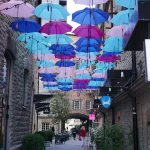
📷 Featured image by Margo Evardson on Unsplash.