On this page
- What Makes Kihnu Different From Every Other Estonian Island
- The Matriarchal Society — How It Actually Works in 2026
- UNESCO Intangible Heritage — What That Title Really Means on the Ground
- What to See and Do on Kihnu
- Where to Eat and What to Taste
- Getting to Kihnu — Ferry and Small Plane Options
- Day Trip or Overnight?
- 2026 Budget Reality
- Practical Tips Before You Go
- Frequently Asked Questions
💰 Click here to see Estonia Budget Breakdown
💰 Prices updated: October, 2026. Budget figures are estimates — always verify before travel.
Exchange Rate: $1 USD = €0.88
Daily Budget (per person)
Shoestring: €40.00 – €70.00 ($45.45 – $79.55)
Mid-range: €120.00 – €250.00 ($136.36 – $284.09)
Comfortable: €300.00 – €900.00 ($340.91 – $1,022.73)
Accommodation (per night)
Hostel/guesthouse: €15.00 – €40.00 ($17.05 – $45.45)
Mid-range hotel: €60.00 – €150.00 ($68.18 – $170.45)
Food (per meal)
Budget meal: €15.00 ($17.05)
Mid-range meal: €35.00 ($39.77)
Upscale meal: €100.00 ($113.64)
Transport
Single metro/bus trip: €2.00 ($2.27)
Monthly transport pass: €30.00 ($34.09)
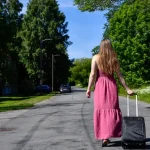
Kihnu has been on Estonia’s tourism radar for years, but in 2026 it still gets misread. Visitors sometimes arrive expecting a folk museum — a curated display of old customs kept alive for cameras. What they find is different: women in striped wool skirts riding motorbikes across a flat island, running the shops, leading the church choir, and making decisions that keep the community functioning. The men are historically out at sea. That is not a metaphor. This is still how life works on Kihnu, and it is the reason UNESCO listed the island’s cultural space in 2003. If you are booking a trip, one new development matters: the ferry operator TS Laevad updated its Kihnu booking system in early 2026, integrating it into the main Estonian ferry app alongside Saaremaa and Hiiumaa routes. Bookings are smoother now, but summer slots still fill fast.
What Makes Kihnu Different From Every Other Estonian Island
Estonia has over 2,000 islands. Most of them are quiet, forested, and empty for most of the year. Kihnu is quiet too — roughly 16 square kilometres, reachable only by water or a small propeller plane — but it is not empty. About 500 people live here year-round, which gives it one of the highest permanent population densities of any small Estonian island. That community density is the key. On Saaremaa or Hiiumaa, you visit nature and historic sites. On Kihnu, you are observing and briefly entering a living social structure.
The island sits in the Gulf of Riga, about 40 kilometres southwest of Pärnu. It is flat and mostly forested, with four small villages running along its perimeter road. That road is about 12 kilometres long in total. You can circle the entire island on a bicycle in under two hours. The scale forces closeness — with the landscape and with the people who live in it.
The Matriarchal Society — How It Actually Works in 2026
The word “matriarchal” gets used loosely, so it is worth being specific about Kihnu. This is not a theoretical or political matriarchy. It developed for a practical reason: Kihnu men have worked as fishermen and seal hunters for centuries, spending long stretches away from the island. Women ran everything in their absence — property, children, trade, religious life, community decisions. That pattern calcified into culture over generations.
Today, in 2026, the structure persists even as the fishing economy has changed. Women still lead the main cultural institutions. The Kihnu Cultural Space Foundation, which coordinates UNESCO-related activities and heritage preservation, is run by women. The handicraft cooperatives — producing the island’s famous striped wool skirts, called kört, and patterned mittens — are run by women. The island’s guesthouse and tourism infrastructure is largely managed by women. This is not performance. It is simply how the administrative weight is distributed.
Visitors should approach this with respect rather than curiosity-seeking. The women of Kihnu are not exhibits. If you are staying overnight or attending a local event, behave as you would as a guest in someone’s functioning community — because that is exactly what you are.
UNESCO Intangible Heritage — What That Title Really Means on the Ground
UNESCO’s Intangible Cultural Heritage list covers things like craftsmanship, ritual, music, and oral traditions — not buildings or landscapes. Kihnu’s listing in 2003 recognized the island’s specific combination of music, dance, handicraft traditions, and games as a cultural space that is genuinely endangered and genuinely alive at the same time.
What that translates to on the ground: you will hear Kihnu women singing in polyphonic harmonies at church on Sunday mornings. The sound carries through the open wooden doors of the small St. Nicholas Church, built in the 18th century, out across the gravel path outside. It is not a concert. It is a service. You can stand outside and listen without disrupting anything. Inside, the painted wooden interior smells faintly of old timber and candle wax — a smell that has not changed in a long time.
The handicraft tradition is equally specific. The kört skirts are woven on traditional looms in colours and stripe patterns that vary by occasion — different combinations for weddings, funerals, and everyday wear. Learning to read those patterns takes years. Several women on the island offer short workshops for visitors, usually lasting two to three hours, where you can try basic weaving techniques. These workshops cost around 20–30 EUR per person and must be booked directly with the hosting family, not through a tour operator.
What to See and Do on Kihnu

The island’s main sights are small in scale but genuinely worth time. The Kihnu Museum, located in the village of Lemsi, covers the island’s maritime history and folk culture. Entry costs 5 EUR. The museum holds an impressive collection of historical kört skirts and sailing equipment, and the staff can explain what you are looking at — which matters more here than in larger, less specialised museums.
The Kihnu Lighthouse, built in 1864, stands at the island’s northern tip. It is still operational. The walk to it from the nearest village takes about 20 minutes along a flat gravel track through pine forest. The air carries resin in the summer heat. The lighthouse itself is not open for climbing, but the surrounding area is a good spot to watch the Baltic light change in the late afternoon.
Cycling the perimeter road is the standard way to cover the island in a single day. Bike rental is available at the ferry dock and at several guesthouses for around 8–12 EUR per day. The road surface is mostly compacted gravel — functional but not smooth. A basic bicycle is fine. You do not need anything more.
Where to Eat and What to Taste
Kihnu is not a destination for restaurant dining. There is one main café-restaurant on the island, Kihnu Tuulik, which serves traditional food — fish soup, smoked fish platters, dark rye bread, and local dairy. The smoked sprat here is caught and processed locally; the flesh pulls apart easily and has a clean, salt-forward flavour with none of the bitterness you sometimes get from industrial smoking. A full meal costs around 12–18 EUR per person.
Several guesthouses offer dinner as part of their accommodation package, usually home-cooked meals prepared by the family running the property. This is worth arranging in advance if you are staying overnight — it is a better meal and a better experience than eating alone at the café. Expect dishes built around fish, root vegetables, and preserved foods that reflect the island’s historically self-sufficient diet.
Getting to Kihnu — Ferry and Small Plane Options
The ferry runs from Munalaiu harbour, about 35 kilometres from Pärnu. The crossing takes approximately one hour and 15 minutes. In 2026, TS Laevad operates the route with seasonal frequency — daily in summer, reduced to a few times per week in autumn and winter. Book through the national ferry app or the TS Laevad website. A return ticket costs approximately 8–10 EUR per person, with additional charges for bicycles.

Getting to Munalaiu from Pärnu requires a car or taxi — there is no direct public bus connection to the harbour. A taxi from Pärnu city centre costs around 30–40 EUR one way. If you are coming from Tallinn, the drive to Munalaiu takes about two and a half hours.
The small plane option operates from Pärnu Airport via Avies Air Company. The flight takes about 15 minutes and runs on a limited schedule — primarily useful for residents and those with return time constraints. Prices vary but typically run 40–60 EUR one way. Seat capacity is extremely limited; book well in advance.
Day Trip or Overnight?
A day trip to Kihnu is possible, but it sells the island short. The ferry schedule means you arrive mid-morning and need to board the return crossing by late afternoon. That gives you four to five hours — enough to cycle the island, visit the museum, and eat lunch, but not enough to feel the rhythm of the place.
An overnight stay changes the experience significantly. Mornings on Kihnu are quiet in a way that is hard to describe without being there — no traffic noise, roosters and wind, the smell of damp grass. If you can arrange to be on the island for a Sunday morning, the church singing alone justifies the extra night. Most guesthouses accommodate one or two night stays. The island’s pace slows considerably after 7pm, so arrive expecting evenings to be genuinely quiet.
2026 Budget Reality
- Budget: 60–85 EUR per person per day. This covers the ferry return, bike rental, museum entry, lunch at the café, and a basic guesthouse bed in a shared or simple private room.
- Mid-range: 90–130 EUR per person per day. Adds a private guesthouse room with dinner included, a handicraft workshop, and flexibility with the plane return.
- Comfortable: 150+ EUR per person per day. A private accommodation rental for two, dinner with a local family, guided island tour, and the small plane both ways.
Kihnu is not expensive by Estonian standards. The limiting factor is not cost — it is capacity. The island has a small number of accommodation options, and in summer they fill up. The experience does not scale. That is part of what makes it work.
Practical Tips Before You Go
- There is no ATM on Kihnu. Bring cash. Most guesthouses and the museum accept card, but the workshop fees and some smaller sellers do not.
- Mobile coverage on the island is adequate for calls and basic data, but do not rely on streaming or large downloads.
- Bring layers. The Gulf of Riga creates its own wind patterns, and even warm summer days can turn cold by evening at the lighthouse or along the shore.
- Respect the community’s privacy. Do not photograph people without asking, and do not enter private property to observe domestic life. The island is small enough that intrusive behaviour is noticed and remembered.
- If you want to buy a kört skirt or handmade textiles, ask at the museum or guesthouse for current sellers. Prices range from 50 EUR for smaller items to several hundred euros for a full hand-woven skirt. These are not souvenirs — they are working garments made over many hours.

Frequently Asked Questions
Is Kihnu Island open to tourists year-round?
Yes, but the ferry schedule reduces significantly outside of summer. From October to April, crossings run only a few times per week and are subject to weather cancellations. The museum may have limited opening hours in winter. Most visitors come between May and September when the schedule is reliable and outdoor exploration is practical.
Do I need to speak Estonian to visit Kihnu?
No, English is understood at the main guesthouse, the museum, and the café. However, the Kihnu dialect is distinct even from standard Estonian, and older residents may not speak much English. Basic courtesy phrases in Estonian are appreciated. German is also understood by some older islanders.
Is Kihnu suitable for children?
Yes, and genuinely so. The flat cycling roads are safe, the scale of the island keeps everything manageable, and the museum is engaging for older children. There are no crowds, no theme park attractions, and no obvious child-specific activities — but children who enjoy outdoor exploration and cultural curiosity do well here.
Can I attend local cultural events as a visitor?
Most public events, including song days and craft markets organised through the Kihnu Cultural Space Foundation, are open to visitors. Church services are also open, though visitors should enter quietly and dress respectfully. Private family celebrations are not tourist events — do not attend unless you have a genuine personal invitation.
What is the best time of year to visit Kihnu?
Late June through early August offers the best combination of weather, ferry frequency, and cultural activity. July is peak season — ferries are most frequent but accommodation books out fastest. Late August is a good compromise: summer warmth remains, crowds thin out, and the island’s harvest-season rhythm gives the visit a slightly different texture than midsummer.
📷 Featured image by Oskar Kadaksoo on Unsplash.