💰 Click here to see Estonia Budget Breakdown
💰 Prices updated: October, 2026. Budget figures are estimates — always verify before travel.
Exchange Rate: $1 USD = €0.89
Daily Budget (per person)
Shoestring: €45.00 – €70.00 ($50.56 – $78.65)
Mid-range: €120.00 – €170.00 ($134.83 – $191.01)
Comfortable: €250.00 – €420.00 ($280.90 – $471.91)
Accommodation (per night)
Hostel/guesthouse: €10.00 – €60.00 ($11.24 – $67.42)
Mid-range hotel: €50.00 – €120.00 ($56.18 – $134.83)
Food (per meal)
Budget meal: €8.00 ($8.99)
Mid-range meal: €25.00 ($28.09)
Upscale meal: €60.00 ($67.42)
Transport
Single metro/bus trip: €2.00 ($2.25)
Monthly transport pass: €30.00 ($33.71)
Saaremaa and Hiiumaa get busier every summer, and by 2026 the ferry queues and full guesthouses are a real planning headache. Vormsi, Estonia’s fourth-largest island, sits just off the west coast and gets a fraction of those crowds. About 400 people live here, there are no big hotels, and the whole island runs at the speed of a bicycle. So is it worth the trip? For the right traveller, yes. Here is how to decide.
Why Vormsi Feels Different
Vormsi was home to Estonian Swedes for roughly 700 years. Before World War II, they made up most of the island’s population. Most fled to Sweden in 1944, but their mark is still everywhere. Villages have Swedish names like Hullo, Rumpo and Sviby. Old farms are painted in muted colours. Some graveyards have distinctive iron and stone crosses.
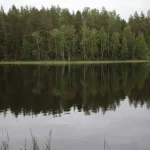
The island is about 20 km long and mostly flat, covered in pine forest, juniper meadows and reed-fringed shores. You will see more deer, storks and sheep than people. Signs of a small revival are visible: young families moving in, small guesthouses, and local producers selling honey, fish and handicrafts. It still feels like a place where everyone knows everyone.
What to See and Do
Vormsi is not about ticking off sights. It is about slow days with a few good stops.
- St Olaf’s Church in Hullo: This medieval stone church is the island’s main landmark. Walk around the old graveyard and read the Swedish names on the stones.
- Saxby Lighthouse: On the western tip, this lighthouse is a good cycling goal. Come in the evening for the sunset over the sea.
- Coastal meadows and forest paths: Marked nature trails cross the island. Spring brings migrating birds, and summer brings wildflowers. The ground is soft and springy underfoot.
- Boulders and shoreline: Glacial erratics lie along the beaches. Swimming spots are quiet, shallow and often empty, even in July.
- Village shops and craft stops: Look for local honey, wool goods and smoked fish. Small farm stalls often use honesty boxes.
Come in late afternoon and the pine forest smells warm and resinous. In the evening the only sounds are the wind in the trees and the occasional bicycle bell.
Where to Eat and Drink
Vormsi’s food scene is small, so plan your meals. Many places are seasonal and open mainly from late May to early September. Outside summer, opening hours can be short or by arrangement.
- Sviby harbour area: Near the ferry, you will find simple summer food and a place to wait for your boat with a coffee.
- Hullo village: This is the island’s centre. It has a shop for supplies and a pub-style place for a proper meal. Expect fish, potatoes, rye bread and hearty soups.
- Rumpo: The village shop is useful for picnic food. Pack local cheese, bread and fruit, then eat by the sea.
- Guesthouse dinners: Many farm stays serve meals if you ask ahead. This is often the best food on the island, using smoked fish, garden vegetables and fresh dark rye.

Bring snacks and water. Distances between food stops are short on paper but feel long on a hot day.
Getting to Vormsi: Bus and Ferry
There is no bridge and no airport. The only way in is by ferry from Rohuküla on the mainland to Sviby on Vormsi. The crossing takes around 45 to 50 minutes.
From Tallinn, take a long-distance bus towards Haapsalu or Rohuküla. The ride is about 1.5 to 2 hours and costs roughly €8 to €12. There is no passenger train to Haapsalu, so do not plan around one. Rail Baltica is still being built and will not help with this route in 2026. If you drive, Rohuküla is about 100 km from Tallinn, around 1 hour 30 minutes on the main road.
Ferries run several times a day in summer, with fewer sailings in winter. Foot passengers usually pay a few euros each way, and cars cost noticeably more. Prices and timetables change by season, so check the operator’s current schedule before you travel. If you take the bus, check that it reaches Rohuküla in time for your chosen sailing, because the connection is tight.
Getting Around the Island
Vormsi has no public transport worth relying on. You have three realistic choices.
- Bicycle: This is the best option. The island is flat, and rentals cost around €10 to €20 per day. Reserve ahead in July.
- Your own car: This is useful if you carry luggage or have limited mobility. Some roads are gravel, so drive slowly.
- Walking: Good for short hops around Hullo or Sviby, but the island is too long to cover on foot in one day.

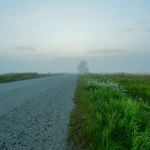
Cycling from Sviby to Hullo and then out to Saxby Lighthouse and back makes a full, relaxed day. Expect about 40 km in total if you add detours. Gravel stretches are rideable on a normal bike, but a wider tyre feels better. An e-bike helps if there is a headwind off the sea.
Day Trip or Overnight?
A day trip from Tallinn is possible but tight. You need an early bus, then the morning ferry, and you must catch the last return sailing and bus. That leaves about five or six hours on the island, enough for a bike ride and one meal, but you will feel rushed.
Staying one night is much better. You get the evening light, a quiet breakfast and a real sense of the place. Two nights is ideal if you want to hike, swim and do very little. From Haapsalu, a day trip is easier because Rohuküla is close.
Bring a light jacket even in summer. The sea breeze cools quickly, and ferry decks are cold at any time of year.
Vormsi on a Budget in 2026
Vormsi is not a luxury island, and prices are fair. The main extra cost is the ferry. These are approximate daily costs per person, excluding transport from Tallinn:
- Budget (€35 to €55): Camping at about €10 to €15, self-catered meals from village shops, your own bike or a rental at €10 to €15, and the ferry as foot passenger.
- Mid-range (€90 to €130): A guesthouse double room at €70 to €110 shared between two, one restaurant or guesthouse meal at €15 to €25, bike hire and small extras.
- Comfortable (€150 to €220): A private cottage or higher-end farm stay, two prepared meals, e-bike rental, and a car on the ferry.
Vormsi is cheaper than the busiest parts of Saaremaa in July, mainly because there are fewer spa hotels and fewer organised tours. Always check a guesthouse’s minimum stay on weekends. Some ask for two nights in peak summer.
Is It Right for You?
Vormsi is worth visiting if you enjoy cycling, walking, birdwatching, quiet evenings and small local history. It suits couples, solo travellers and families with older children who like bikes.
It is not worth the effort if you want nightlife, big museums, shopping or a packed itinerary. Rain can also make gravel roads muddy, and with few indoor attractions, a grey day can feel long. Visit from late May to September for the best weather and the widest choice of open places. September is especially pleasant, with fewer visitors and soft golden light on the meadows.

Frequently Asked Questions
How do I get to Vormsi from Tallinn?
Take a bus from Tallinn to Rohuküla, which takes roughly 1.5 to 2 hours. Then take the ferry to Sviby on Vormsi, about 45 to 50 minutes. You can also drive to Rohuküla and take your car on board, but book ahead in summer.
Is Vormsi worth visiting for one day?
Yes, but it is rushed. With early transport you get about five or six hours on the island, enough to cycle to a few highlights. An overnight stay is far better, because you can enjoy the evening light and avoid worrying about the last ferry.
Can I cycle around Vormsi?
Yes, cycling is the best way to see the island. It is flat and about 20 km long. Some roads are gravel, so a sturdy bike helps. Rentals are available locally, usually for about €10 to €20 per day, but book ahead in July and August.
What is special about Vormsi’s history?
Vormsi was home to Estonian Swedes for about 700 years. Most left in 1944 during World War II. Their heritage remains in Swedish village names, old farms, church history and graveyard monuments, which makes the island culturally distinct from the mainland.
When is the best time to visit Vormsi?
Late May to September is best, when ferries run more often and cafés and guesthouses are open. June and July offer the longest days. September is quieter, with comfortable temperatures and colourful meadows. Winter visits are possible but offer limited services and fewer sailings.
📷 Featured image by Margo Evardson on Unsplash.