💰 Click here to see Estonia Budget Breakdown
💰 Prices updated: October, 2026. Budget figures are estimates — always verify before travel.
Exchange Rate: $1 USD = €0.89
Daily Budget (per person)
Shoestring: €45.00 – €70.00 ($50.56 – $78.65)
Mid-range: €120.00 – €170.00 ($134.83 – $191.01)
Comfortable: €250.00 – €420.00 ($280.90 – $471.91)
Accommodation (per night)
Hostel/guesthouse: €10.00 – €60.00 ($11.24 – $67.42)
Mid-range hotel: €50.00 – €120.00 ($56.18 – $134.83)
Food (per meal)
Budget meal: €8.00 ($8.99)
Mid-range meal: €25.00 ($28.09)
Upscale meal: €60.00 ($67.42)
Transport
Single metro/bus trip: €2.00 ($2.25)
Monthly transport pass: €30.00 ($33.71)
Kihnu is small, ferry spaces are limited, and in July and August the best guesthouses and car spots fill weeks ahead. Many visitors in 2026 still arrive without a booking, hoping to “see the UNESCO island” in a few hours. That approach misses the point. Kihnu is not an open-air museum. It is a working island of around 600 people, and its heritage only makes sense when you slow down and see it as daily life.
What UNESCO Actually Protects on Kihnu
The listing is the Cultural Space of the Kihnu Island. UNESCO proclaimed it in 2003 and inscribed it on the Representative List of the Intangible Cultural Heritage of Humanity in 2008. “Intangible” is the key word. There is no single monument to visit. What is protected is a way of living: songs, dances, games, handicrafts, wedding customs, and religious traditions passed from one generation to the next.
Women are at the centre of it. For generations, Kihnu men went to sea for fishing and sealing, so women ran the farms, the households, and the community’s cultural life. Today you still see women wearing the striped, brightly coloured wool skirts (kört) in everyday life, not as a costume for visitors. The colours and patterns can reflect a woman’s age and status. Knitted mittens, woven belts, and shawls carry patterns that locals can often read like a language.
What to See and Do
The island is about 7 km long and 3 km wide, so you can cover the main sights in a day, but each one rewards time.
- Kihnu Museum in Linaküla: Start here. The exhibits explain the skirts, textiles, music, and seafaring history. It makes everything else you see on the island easier to understand.
- The Orthodox church: Kihnu has a strong Orthodox tradition alongside Lutheranism, which is unusual in Estonia. Many island customs mix both.
- The lighthouse: A landmark on the island’s coast and a good place to look out across the Gulf of Riga.
- Craft workshops: Some local women sell hand-knitted mittens, socks, and woven items from their homes or small stalls. Buying directly is the best way to support the tradition, and each piece takes many hours to make.
- Village lanes and coastline: The sandy lanes, wooden farmhouses, juniper bushes, and quiet beaches are the real attraction. In the early morning the air smells of salt, woodsmoke, and cut grass, and the only sound may be a distant motorbike engine.

Look out for the island’s famous motorbikes. Kihnu women riding in full striped skirts is an everyday sight, and one of the most photographed.
Visiting Respectfully
Because this is a living community, a few simple habits matter a lot.
- Ask before photographing people. A friendly gesture and a smile usually settle it. Never point a camera at someone going about their day without asking.
- Treat farmyards as private. If a gate is closed and there is no sign inviting visitors, do not enter.
- Buy local. A pair of mittens or a meal at a family-run place does more for heritage than any amount of sightseeing.
- Keep quiet at the church and cemetery. Both are in regular use.
- Take your rubbish with you. The island’s waste system is small, and summer crowds put pressure on it.
Where to Eat on Kihnu
Dining options are limited and seasonal. This is not an island with a restaurant on every corner, so plan your meals instead of hoping to wander into one.
The most reliable approach is to pre-order meals through your guesthouse. Typical island food includes smoked and fried Baltic herring, local fish soup, dark rye bread, potatoes, dairy from island farms, and berry desserts. The smell of fresh rye bread in a farmhouse kitchen is one of the island’s best welcomes.
There are small cafés and a village shop near the harbour and in Linaküla, but opening hours can be short outside July and August. Bring snacks and water if you are visiting in spring or autumn. Most places accept cards, but carry €20–30 in cash for craft stalls and small purchases.
Getting to Kihnu
Kihnu lies in the Gulf of Riga, off Estonia’s south-west coast. Most visitors come by ferry.
- Ferry from Munalaiu: The main route runs from Munalaiu harbour on the mainland to Kihnu’s Linaküla harbour. The crossing takes roughly an hour. Munalaiu is about 40 minutes by road from Pärnu and around two hours from Tallinn.
- By bus: Intercity buses run from Tallinn to Pärnu (about 1 hour 45 minutes to 2 hours, typically €8–15). From Pärnu, local bus connections to Munalaiu are timed with ferry departures, but they are limited, so check the timetable before you plan.
- By air: Small aircraft flights connect Pärnu and Kihnu on some schedules. They are quick, but seats are few and weather-dependent.
- Winter ice road: In cold winters, an official ice road may open across the frozen sea. It depends entirely on ice thickness, so never assume it will be available.

Since 2024, Pärnu has seen continued construction linked to the Rail Baltica project. It does not change how you reach Kihnu today, but it may improve links to the region in later years. Ferry timetables change by season, and summer weekends sell out, so book online in advance, especially if you are taking a car.
Getting Around the Island
Kihnu is flat, so cycling is the best option. Bike rental is available through guesthouses and near the harbour, and the quiet lanes and coastal tracks make it a pleasure. Some operators run guided minibus tours, which are useful if you want local stories and context, especially in bad weather.
You do not need a car. Bringing one on the ferry is expensive, space is limited, and the island’s sandy lanes are better enjoyed slowly.
Day Trip or Overnight?
A day trip works if you have a car or can match the ferry timetable. You will get roughly 4–6 hours on the island, enough to see the museum, cycle a loop, buy a few crafts, and eat once.
From Tallinn, a day trip is tiring: about two hours of driving each way plus the ferry. From Pärnu, it is far easier and the better base for a day visit.
An overnight stay is better. Evenings are when the island feels most like itself. Day visitors leave, the light turns golden over the sea, and you can walk quiet lanes with barely another person in sight. You also get a proper meal in a family home and a slower morning. If you can spare one night, take it.
Kihnu Budget in 2026
Prices are approximate and vary by season. Island costs are slightly higher than on the mainland because everything is shipped in.
- Budget (€40–70 per day): Camping or a simple hostel-style room (€15–35), foot-passenger ferry fares, a rented bike (€10–15 per day), and self-catered meals from the village shop.
- Mid-range (€90–150 per day): A guesthouse room with breakfast (€60–100 for two), pre-ordered dinner (€15–25 per person), bike rental, and a few craft purchases.
- Comfortable (€170–280 per day): A private cottage or higher-end farm stay, guided tour or workshop (€20–60 per person), all meals arranged, and a vehicle spot on the ferry or a flight.

Foot-passenger ferry fares are usually in the range of €10–15 each way, and cars cost noticeably more. Always check the current fare when you book.
Frequently Asked Questions
Why is Kihnu Island a UNESCO site?
UNESCO recognised the Kihnu Cultural Space as intangible heritage. It protects the island’s living traditions, including women’s textile crafts, folk songs, dances, games, and religious customs. These practices have continued for generations and remain part of everyday life, which is why Kihnu is valued as a living culture rather than a monument.
How do you get to Kihnu from Tallinn?
Take a bus or drive to Pärnu, then continue to Munalaiu harbour, where the ferry to Kihnu departs. The whole journey takes about four hours each way by road and ferry. A car makes it easier, but an overnight stay is much more comfortable than a rushed day trip.
How long should I spend on Kihnu?
One night is ideal. A day trip gives you time for the museum, a bike ride, and one meal. Staying overnight lets you experience quiet evenings, a home-cooked dinner, and a relaxed morning. Two nights suits cyclists, photographers, and anyone interested in craft workshops.
Do people on Kihnu really wear traditional clothing every day?
Many older women still wear the striped skirts in daily life, and younger women often wear them on special occasions. You will see them most clearly at church, community events, and festivals. Always ask before taking photos, since these are residents going about their lives and not performers.
Is Kihnu worth visiting in winter?
Yes, if you like quiet. Services are limited, and many cafés close, but guesthouses still operate, and the frozen shoreline is beautiful. In cold winters, an ice road may open from the mainland. Plan carefully, check ferry and ice conditions, and pre-arrange meals and accommodation.
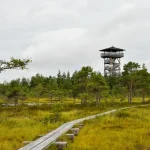
📷 Featured image by Margo Evardson on Unsplash.