On this page
- Why Timing Your Saaremaa Trip Actually Matters in 2026
- Summer (June–August): Peak Season Pros, Cons, and Crowd Reality
- Shoulder Season Magic: May and September on Saaremaa
- Autumn on the Island: October and the Case for Going Late
- Winter in Saaremaa: Who It’s Really For
- Spring Awakening: April and the Quiet Before the Rush
- Saaremaa’s Festival Calendar: Events Worth Planning Around
- Weather by Month: A Practical Temperature and Rain Guide
- How Crowds Actually Affect Your Experience (Ferries, Roads, Prices)
- Budget Breakdown by Season
- Frequently Asked Questions
💰 Click here to see Estonia Budget Breakdown
💰 Prices updated: August, 2026. Budget figures are estimates — always verify before travel.
Exchange Rate: $1 USD = €0.86
Daily Budget (per person)
Shoestring: €45.00 – €70.00 ($52.33 – $81.40)
Mid-range: €120.00 – €170.00 ($139.53 – $197.67)
Comfortable: €250.00 – €420.00 ($290.70 – $488.37)
Accommodation (per night)
Hostel/guesthouse: €10.00 – €40.00 ($11.63 – $46.51)
Mid-range hotel: €50.00 – €140.00 ($58.14 – $162.79)
Food (per meal)
Budget meal: €10.00 ($11.63)
Mid-range meal: €25.00 ($29.07)
Upscale meal: €80.00 ($93.02)
Transport
Single metro/bus trip: €1.50 ($1.74)
Monthly transport pass: €30.00 ($34.88)
Why Timing Your Saaremaa Trip Actually Matters in 2026
Getting to Saaremaa has never been more straightforward — the Virtsu–Kuivastu ferry runs multiple sailings daily, and in 2026 the upgraded booking system finally lets you reserve a car slot up to 60 days ahead, which matters more than most people realise. The island has been quietly growing in popularity since 2023, and the bottleneck is no longer just accommodation. It’s the ferry queue on a Friday afternoon in July, the lone hire car left at Kuressaare’s only major rental desk, and the fully booked spa at Saaremaa Spa Hotels on a long weekend. Timing is everything here. Get it right and you’ll have juniper meadows, medieval castle ruins, and meteor crater lakes almost to yourself. Get it wrong and you’ll be queuing in a hot car for two hours to reach an island that rewards patience.
Summer (June–August): Peak Season Pros, Cons, and Crowd Reality
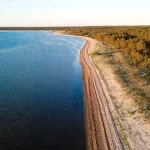
Saaremaa’s summer is genuinely beautiful. Average daytime temperatures sit between 20°C and 24°C in July, the island’s longest month of daylight, with the sun barely dipping below the horizon before 11 pm. The Kaali meteorite crater is ringed with wildflowers. The beaches at Järve and Mändjala have warm enough water for actual swimming — around 18°C to 21°C by mid-July. The reed-fringed coastline along Tagamõisa peninsula smells of salt and warm pine.
But summer in 2026 means crowds in a way that wasn’t quite true five years ago. July is now the single busiest month, driven largely by Finnish and Swedish visitors crossing from Helsinki and Stockholm via Tallinn, plus a growing number of Latvian and Lithuanian road-trippers. Kuressaare’s old town, charming at any time, feels genuinely congested on weekends in July. Restaurant waits at popular spots like Aarikese and Veski are common without a reservation.
- Best of summer: Swimming, cycling, long evenings, all attractions fully open, boat tours running to Vilsandi National Park
- Worst of summer: Ferry queues (especially Friday outbound from Virtsu), accommodation prices at their annual peak, Kuressaare parking chaos on weekends
- Sweet spot within summer: Early June and late August hit a useful middle ground — warm enough for beaches, noticeably thinner crowds than peak July
If you’re set on visiting in July or August, book the ferry car slot and accommodation at least six weeks ahead. Arriving on a Tuesday or Wednesday rather than Friday dramatically reduces your wait at Virtsu.
Shoulder Season Magic: May and September on Saaremaa
These two months are the ones that experienced Saaremaa visitors quietly recommend to each other. May and September offer a version of the island that summer tourists never quite see — and in 2026, they represent genuinely good value alongside genuinely comfortable conditions.
May arrives with orchids blooming across the island’s alvar limestone pavements, particularly around Koigi and Viidumäe Nature Reserve. Temperatures range from 10°C to 17°C, cool enough to need a light jacket in the evening but perfectly comfortable for cycling the flat island roads. The ferry queues are minimal. Accommodation rates are 25–35% lower than July peaks. Almost every attraction is open by mid-May — the Bishop’s Castle museum, the Angla windmill hill, the Kaali crater site — but you’ll share them with almost nobody.
September brings a different kind of reward. The heather on Saaremaa’s coastal heathlands turns deep purple, the light goes golden in the late afternoon, and the sea is actually at its warmest of the entire year — residual summer heat means water temperatures of 17°C to 19°C through the first half of the month. Saaremaa Opera, the island’s prestigious annual festival, typically wraps up in late August, which means September loses that particular draw, but gains the post-festival quiet.
For most travellers without school-age children, May or early September is the honest best answer to the timing question.
Autumn on the Island: October and the Case for Going Late
October gets underestimated. The tourist infrastructure has wound down — some smaller guesthouses close after the first week, and boat tours to Vilsandi stop running — but the island itself is striking in a completely different way. Deciduous trees along the Kuressaare park and Viidumäe forest paths turn amber and rust. Storm season hasn’t fully arrived yet, but the sea takes on a grey-green drama that photographers specifically travel for.
Temperatures in October average 6°C to 11°C. You’ll need a proper waterproof layer and warm layers underneath, but dry October days happen regularly and the light on those days is exceptional. The beaches are empty. The roads are empty. Kuressaare’s cafés — particularly around the castle park — feel genuinely local again, full of island residents rather than visitors. The earthy smell of fallen leaves on the castle moat path, mixed with woodsmoke from nearby houses, makes for an unexpectedly atmospheric afternoon walk.
October suits photographers, nature walkers, and anyone who finds summer-season tourism exhausting. It’s not the month for sunbathing or swimming. It’s the month for long walks, good food, and seeing a place without its tourist mask on.
Winter in Saaremaa: Who It’s Really For
Winter is honest about what it offers and doesn’t pretend otherwise. December through February means temperatures between -5°C and 3°C, short days — barely seven hours of daylight in December — and a quiet island that feels almost entirely inhabited by locals. Most visitor-facing businesses run reduced hours or close entirely. The ferry still runs, but checking the schedule before you go is essential as winter timetables cut late sailings.
What winter does offer is specific and real. The spa hotels — Saaremaa Spa Hotels’ Meri and Rüütli properties — are at their least expensive and most relaxing in winter. Soaking in a hot pool while sleet hits the windows outside is not an unpleasant experience. If Saaremaa gets a proper cold snap, which happens most years in January or February, the sea ice can form along sheltered bays and the landscape turns into something from a Nordic film set. The Bishop’s Castle, floodlit against winter dark, is genuinely atmospheric on a cold evening.
Christmas markets run in Kuressaare in December — small but authentic, selling local juniper wood crafts, island honey, and herb liqueurs. Winter suits travellers who specifically want a spa-focused, slow, off-grid few days and have no interest in outdoor sightseeing as a primary activity.
Spring Awakening: April and the Quiet Before the Rush
April is the month that rewards the most flexible travellers. It’s genuinely unpredictable — you might get three days of 14°C sunshine followed by a cold snap and rain — but when it goes well, it offers something no other month can: Saaremaa waking up. Migratory birds arrive in extraordinary numbers along the western coastline and around Matsalu Bay on the mainland nearby. The Vilsandi National Park coast becomes a serious birdwatching destination in April and early May, with barnacle geese, whooper swans, and lesser white-fronted geese all passing through.
Accommodation in April costs roughly what it costs in October — well below summer rates, with good availability. Not everything is open yet; some restaurants and tour operators start their season in May, so it’s worth checking ahead. But the island’s natural attractions — the crater, the coast, the windmills, the nature reserves — are completely accessible and uncrowded.
April is ideal for birdwatchers, photographers, and anyone happy to accept variable weather in exchange for total solitude and low prices.
Saaremaa’s Festival Calendar: Events Worth Planning Around
A handful of annual events are genuinely worth factoring into your timing decision — either to attend or to deliberately avoid if crowds aren’t your thing.
- Saaremaa Opera Festival (July–August): Staged at the Bishop’s Castle courtyard, this is one of Estonia’s most distinctive cultural events. Performances under an open sky with medieval stone walls as backdrop. Sells out weeks ahead. Accommodation in Kuressaare during opera weekends is extremely tight.
- Kuressaare Chamber Music Festival (August): Smaller than the Opera Festival but highly regarded, drawing serious classical music visitors from across the Baltic region.
- Saaremaa Rally (July): Estonia’s biggest motorsport event and one of the largest rallies in the Baltic states. Draws massive crowds — tens of thousands over the weekend. Roads around the rally stages close temporarily. If you’re not a rally fan, this is a weekend to avoid.
- Kuressaare Medieval Days (June): A three-day living history festival at the castle. Relatively modest in scale but enjoyable and family-friendly.
- Christmas Market (December): Runs through most of December in Kuressaare’s town centre. A good reason to consider a winter visit.
The Opera Festival and Rally are the two events that most dramatically affect accommodation availability and crowd levels. Plan around them deliberately — book well ahead if you want to attend, or shift your dates by a week if you don’t.
Weather by Month: A Practical Temperature and Rain Guide
Saaremaa sits far enough west in Estonia that it has a slightly milder, more maritime climate than Tallinn or Tartu. Winters are a degree or two warmer, summers slightly cooler and breezier. Rain is spread fairly evenly through the year, with October and November the wettest months.
- January: -4°C to 1°C. Short days. Snow possible. Sea ice in cold years.
- February: -5°C to 2°C. Similar to January. Spa season peak.
- March: -1°C to 6°C. Days lengthening noticeably. Still quiet.
- April: 3°C to 12°C. Variable. Birdwatching season begins. Orchids not yet out.
- May: 8°C to 17°C. Orchids blooming. Light crowds. Excellent value.
- June: 12°C to 21°C. Long evenings. Season fully open. Crowds building.
- July: 15°C to 24°C. Peak summer. Maximum crowds and prices.
- August: 14°C to 22°C. Still busy early month, quieter after 20th.
- September: 10°C to 18°C. Warmest sea. Heather in bloom. Excellent shoulder month.
- October: 5°C to 11°C. Autumn colours. Rain increases. Most tourists gone.
- November: 1°C to 6°C. Grey and wet. Least recommended month for most travellers.
- December: -2°C to 3°C. Short days but Christmas market adds life to Kuressaare.
How Crowds Actually Affect Your Experience (Ferries, Roads, Prices)
Saaremaa’s infrastructure is built for an island of 31,000 permanent residents. In peak July it temporarily hosts several times that number of visitors. The practical effects are more specific than a general sense of busyness.
The Virtsu–Kuivastu ferry is the single biggest pressure point. In July 2025 and continuing into 2026, Friday evening crossings from the mainland to the island routinely saw car queues of 90 minutes to two hours. On the return Sunday, the Kuivastu–Virtsu crossing was similarly backed up. Foot passengers board almost immediately regardless of season — this matters if you’re arriving by bus from Tallinn (National Express coach services run direct to Kuressaare via the ferry).
Cycling on the island is genuinely affected by summer traffic on the main Kuressaare–Triigi road. In May, September, and October, cycling that road is a pleasure. In July, the car volume on certain stretches is high enough to be uncomfortable. Smaller roads — and Saaremaa has many — remain quiet even in peak season.
Accommodation in peak July runs 40–60% higher than May or October equivalent. A mid-range guesthouse room that costs €75 in May might be €120 in July. Spa hotel packages follow a similar pattern. Booking ahead by six to eight weeks is the minimum for July; in shoulder season, two weeks is usually sufficient.
Restaurant availability in Kuressaare becomes genuinely limited on summer weekends. Popular spots are fully booked by 6 pm. Arriving at 5:30 pm or booking ahead the day before solves this entirely.
Budget Breakdown by Season
All prices are in EUR and reflect 2026 rates. These are realistic daily totals per person based on two people travelling together and sharing accommodation costs.
Budget Tier (hostel/guesthouse, self-catering or cheap eats, own transport)
- Peak (July–early August): €60–€85 per person per day
- Shoulder (May, September): €40–€60 per person per day
- Low (October–April): €30–€50 per person per day
Mid-Range Tier (3-star guesthouse or B&B, restaurant meals, hire car)
- Peak (July–early August): €110–€160 per person per day
- Shoulder (May, September): €80–€115 per person per day
- Low (October–April): €65–€90 per person per day
Comfortable Tier (spa hotel, full restaurant dining, car hire or private transfers)
- Peak (July–early August): €180–€280 per person per day
- Shoulder (May, September): €130–€190 per person per day
- Low (October–April): €100–€150 per person per day
Ferry costs: a standard car plus two passengers on the Virtsu–Kuivastu crossing costs €22–€32 depending on season and booking time. Foot passenger tickets are €4–€6 each way. Tallinn to Kuressaare by direct bus costs around €12–€18 per person one way in 2026.
Hire cars in Kuressaare start from €45 per day in low season and rise to €70–€90 per day in peak July. Booking in advance is strongly recommended in summer — the island has limited rental supply and it sells out.
Frequently Asked Questions
What is the absolute best month to visit Saaremaa?
For most travellers, May or early September offers the best overall balance. Weather is comfortable, crowds are manageable, prices are 25–35% below July peaks, and the island’s main attractions are fully accessible. July delivers the warmest weather and longest days but comes with ferry queues, higher prices, and noticeably busier roads and restaurants around Kuressaare.
Is Saaremaa worth visiting in winter?
Yes, for the right traveller. Winter suits spa-focused trips, slow travel, and anyone wanting to see the island in its most local, unhurried state. Spa hotel prices drop significantly in January and February. Expect short days, cold temperatures between -5°C and 3°C, and limited restaurant and attraction hours. The Bishop’s Castle and Kuressaare town centre remain atmospheric throughout winter.
How far in advance should I book the ferry to Saaremaa?
In 2026, booking the Virtsu–Kuivastu car ferry at least four to six weeks ahead is wise for July and August, particularly for Friday crossings. In shoulder season, a week ahead is usually sufficient. Foot passengers don’t need advance booking at any time of year but benefit from checking the timetable, as winter sailings are reduced.
Does Saaremaa get very crowded in summer?
Peak July is noticeably busy by Estonian standards, particularly in Kuressaare old town and at popular sites like Kaali crater and Angla windmill hill. The island is large enough that quiet spots always exist, but ferry crossings, restaurants, and accommodation all feel the pressure. The Saaremaa Rally weekend in July is the single most crowded event of the year.
What’s the weather like in September on Saaremaa?
September is one of Saaremaa’s best months. Temperatures range from 10°C to 18°C, the sea is at its annual warmest at 17°C to 19°C in early September, and the coastal heathlands are in full purple heather bloom. Rain increases slightly towards the end of the month, but overall September offers excellent conditions with far fewer visitors than July or August.
📷 Featured image by Margo Evardson on Unsplash.