💰 Click here to see Estonia Budget Breakdown
💰 Prices updated: October, 2026. Budget figures are estimates — always verify before travel.
Exchange Rate: $1 USD = €0.88
Daily Budget (per person)
Shoestring: €40.00 – €70.00 ($45.45 – $79.55)
Mid-range: €120.00 – €250.00 ($136.36 – $284.09)
Comfortable: €300.00 – €900.00 ($340.91 – $1,022.73)
Accommodation (per night)
Hostel/guesthouse: €15.00 – €40.00 ($17.05 – $45.45)
Mid-range hotel: €60.00 – €150.00 ($68.18 – $170.45)
Food (per meal)
Budget meal: €15.00 ($17.05)
Mid-range meal: €35.00 ($39.77)
Upscale meal: €100.00 ($113.64)
Transport
Single metro/bus trip: €2.00 ($2.27)
Monthly transport pass: €30.00 ($34.09)
Viljandi gets crowded fast in late July. If you’re planning to visit during the Folk Music Festival — Estonia’s biggest annual cultural event — and you haven’t booked accommodation by April 2026, you’re already behind. Rooms within the town fill up months in advance, and prices double. This guide covers not just the festival but every other reason to visit Viljandi, including the quieter seasons when this medieval lake town is almost entirely yours.
What Makes Viljandi Different
Viljandi sits in southern Estonia, about 160 kilometres south of Tallinn, built around a long glacial lake and the ruins of one of the largest Livonian Order castles in the Baltic region. It has roughly 17,000 residents, which makes it Estonia’s fifth-largest city — but it feels smaller and more intimate than that number suggests.
The town has a creative streak that runs deep. Viljandi is home to the Tartu University Viljandi Culture Academy, which trains folk musicians, craftspeople, and theatre artists. That institution gives the town an unusually youthful, artsy energy for a place its size. On a warm evening, you’ll hear someone practising the kannel (a traditional Estonian string instrument) through an open window, smell woodsmoke drifting from a courtyard sauna, and find handmade ceramics in windows that most Estonian towns wouldn’t bother displaying.
The geography helps too. The town slopes down toward Lake Viljandi, and the castle park sits on a wooded hillside above the water. It’s genuinely beautiful in a way that isn’t manicured or tourist-polished. Paths wind through old linden trees, the ruins emerge suddenly from the greenery, and the lake glitters below through gaps in the forest.
Viljandi Folk Music Festival
The Viljandi Folk Music Festival runs for four days every year in late July — in 2026, it falls on 23–26 July. It draws around 25,000 visitors to a town of 17,000, which tells you everything about the scale of the event. Stages are set up across the castle park and surrounding areas, with performances running from midday until past midnight.
The lineup mixes Estonian folk and traditional music with international acts from across Europe, West Africa, and Latin America. It’s not a folk festival in the dusty, academic sense — there’s genuine energy, dancing, and late-night improvised sessions in pub courtyards. The festival atmosphere spills across the whole town.
Festival tickets in 2026 are sold in four-day passes (approximately €65–€80 depending on when you buy) and single-day passes (approximately €25–€30). Book through the official festival website. The festival grounds are largely outdoors, so bring layers — Estonian late July evenings can drop to 14–16°C after dark even when days are warm.
The Old Town and Castle Hill
Outside festival season, the castle ruins are the single best reason to spend a few hours in Viljandi. The Livonian Order built the castle in the 13th century, and by the 17th century it had been largely destroyed in wars between Sweden, Russia, and Poland. What remains is atmospheric rather than complete — crumbling red-brick towers, arched doorways leading nowhere, and earthen ramparts you can walk along.
The castle park (Viljandi Loss) is free to enter at any time. A suspension footbridge crosses a deep valley near the ruins, giving a view down through the treetops toward the lake. It sways slightly when you walk — not dangerously, but enough to notice. The bridge was rebuilt most recently in 2019 and remains one of the more unusual short walks in southern Estonia.
Inside the castle area, look for the foundations of the old chapel and the carved stone details that survived centuries of plunder. The Kondase Centre for Naïve Art sits at the edge of the park — a small museum dedicated to Estonian naïve painting that’s genuinely worth 45 minutes if you’re interested in folk art beyond the musical tradition.
The Old Town itself is compact. The main street, Lossi, runs from the town centre toward the castle park. Side streets have well-preserved wooden houses from the late 19th and early 20th centuries, painted in faded greens and yellows. The Town Hall Square is small and functional rather than grand — Viljandi isn’t trying to look like Tallinn’s Old Town, and that’s part of its honesty.
Where to Eat and Drink in Viljandi
Viljandi has a food scene that punches above its weight. Fellin on Tartu Street is the most established restaurant in town, serving Estonian ingredients with modern technique — try the smoked trout with fermented cream or the pork belly with barley risotto. Mains run €14–€22. The room is warm and low-lit, with the smell of butter and woodsmoke from the open kitchen.
Kohvik Uku is the local café institution — open for breakfast and lunch, always busy, serving dark rye bread sandwiches, pea soup, and excellent kohvikoogi (coffee cake). Lunch dishes sit around €7–€10. It’s the kind of place where you share a table with strangers and nobody minds.
For craft beer, Põhjala Tap Room has a presence in Viljandi at the market building near the centre — Põhjala is one of Estonia’s leading craft breweries, and the rotating taps include sours and lagers brewed specifically for the region. A 0.4L pour costs €4–€6.
During the folk festival, outdoor food stalls take over the castle park area with grilled meats, smoked fish, and local cheeses. Festival food quality here is better than at most Estonian outdoor events — there’s a conscious effort to feature small Estonian producers.
Day Trip or Overnight?
Viljandi is a realistic day trip from Tallinn or Tartu, especially in summer when daylight runs until 10pm. However, an overnight stay changes the experience completely. The castle park at dusk, when the day-visitors have left, is a genuinely different place — quieter, shadowy, with bats circling the old towers. The evening café scene on Lossi Street runs late in summer, and you get a sense of the town’s rhythm that a day trip doesn’t allow.
For the folk festival, an overnight stay in or near Viljandi is essentially mandatory if you want to catch evening and late-night performances. Festival camping is available on designated fields near the venue — check the festival website for the 2026 camping registration, which opens in March.
Recommendation: Day trip if you’re primarily interested in the castle ruins and old town. Overnight if you want the lake, the evening atmosphere, or the full festival experience.
Getting There and Getting Around
The most convenient option from Tallinn is the direct Elron train, which runs several times daily. Journey time is approximately 2 hours 20 minutes. In 2026, the Elron network continues to expand, and the Viljandi line has seen upgraded rolling stock since late 2025. A one-way ticket from Tallinn costs around €10–€13 depending on booking time.
From Tartu, the easiest option is the regional bus run by SEBE or Lux Express. The journey takes 45–55 minutes and costs approximately €5–€8. There is no direct train between Tartu and Viljandi — you’d need to change in Türi, which adds significant time.
Within Viljandi, you don’t need a vehicle. The town centre, castle park, lake promenade, and most restaurants are all within comfortable walking distance. The lake is about 1.5 km from the train station, which is a flat 15-minute walk. Bicycles can be rented from the tourist information centre on Vabaduse plats for approximately €10 per day — useful for reaching the southern lake shore or surrounding countryside.
2026 Budget Reality
Accommodation (per night, per room)
- Budget: Hostel dorm beds or camping — €15–€25 per person. Options include festival camping and a small hostel near the centre.
- Mid-range: Guesthouses and smaller hotels — €60–€95 per room. Several family-run guesthouses on the lake side offer good value.
- Comfortable: Viljandi’s best-regarded accommodation, including lakeside cottages and boutique rooms — €110–€160 per room. During festival week, expect a 40–60% premium across all tiers.
Food and Drink (per person per day)
- Budget: €15–€25 — café lunches, market food, supermarket supplies
- Mid-range: €35–€55 — café breakfast, sit-down lunch, dinner at Fellin or equivalent
- Comfortable: €70+ — full restaurant meals, craft drinks, wine with dinner
Activities
- Castle park entry: Free
- Kondase Centre naïve art museum: €5
- Folk festival 4-day pass: €65–€80
- Bicycle rental: €10 per day
- Lake swimming (public beach): Free
Practical Tips for Visiting Viljandi
Best season: June through August for warmth, outdoor café life, and the lake. September brings cooler air and golden light in the castle park — arguably the most photogenic time. Winter visits are quiet and suited to people who enjoy empty towns and dark Nordic afternoons.
What to pack: A waterproof layer regardless of season. The lake creates its own microclimate, and afternoon rain can arrive quickly in summer. For the festival, bring good walking shoes — the castle park grounds are uneven grass and compacted earth, not paving.
Language: Estonian is the local language. English is widely understood among working-age residents, especially in the hospitality sector. In smaller cafés and at the market, basic Estonian phrases go a long way and are always appreciated.
The lake: Viljandi Lake has a public sandy beach on the eastern shore, about 2 km from the town centre. It’s clean, swimmable from June through August, and largely used by locals rather than tourists. Water temperature in July typically reaches 20–22°C.
Sunday hours: Several smaller shops and some cafés operate reduced hours or close entirely on Sundays. Plan your grocery shopping and café visits accordingly if you’re arriving on a Sunday.
Frequently Asked Questions
When is the Viljandi Folk Music Festival in 2026?
The 2026 Viljandi Folk Music Festival runs from 23 to 26 July. Ticket sales typically open in January through the official festival website. Four-day passes are significantly cheaper when bought early — prices rise as the event approaches and sell out well before the festival dates.
How far is Viljandi from Tallinn?
Viljandi is approximately 160 kilometres south of Tallinn. By direct Elron train, the journey takes around 2 hours 20 minutes. By car on the main road via Paide, allow about 2 hours. Several buses also cover the route daily with similar travel times to the train.
Is Viljandi worth visiting outside the festival?
Yes. The castle ruins, lake, naïve art museum, and the town’s café scene make it a worthwhile stop year-round. Summer brings outdoor life and lake swimming. September is beautiful and uncrowded. Even winter has its appeal — the castle park in snow is atmospheric, and the town’s creative community keeps things lively.
What language do people speak in Viljandi?
The primary language is Estonian. English is widely spoken in restaurants, hotels, and the tourist information centre. Viljandi has less Russian-speaking population than northeastern Estonian cities, so Russian is less useful here than in Narva or parts of Tallinn. Basic Estonian greetings are always well received.
Can I swim in Viljandi Lake?
Yes. The public beach on the eastern shore is clean and suitable for swimming from approximately mid-June through August. Water temperatures reach 20–22°C in July. The beach has changing facilities and is free to use. It sits about 2 kilometres from the town centre — an easy walk or short bike ride.
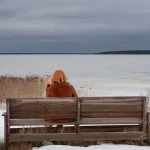
📷 Featured image by Margo Evardson on Unsplash.