💰 Click here to see Estonia Budget Breakdown
💰 Prices updated: October, 2026. Budget figures are estimates — always verify before travel.
Exchange Rate: $1 USD = €0.88
Daily Budget (per person)
Shoestring: €40.00 – €70.00 ($45.45 – $79.55)
Mid-range: €120.00 – €250.00 ($136.36 – $284.09)
Comfortable: €300.00 – €900.00 ($340.91 – $1,022.73)
Accommodation (per night)
Hostel/guesthouse: €15.00 – €40.00 ($17.05 – $45.45)
Mid-range hotel: €60.00 – €150.00 ($68.18 – $170.45)
Food (per meal)
Budget meal: €15.00 ($17.05)
Mid-range meal: €35.00 ($39.77)
Upscale meal: €100.00 ($113.64)
Transport
Single metro/bus trip: €2.00 ($2.27)
Monthly transport pass: €30.00 ($34.09)
Tallinn‘s Old Town remains one of the most visited dining destinations in the Baltics, and in 2026 that popularity creates a real problem: the most photographed streets are lined with tourist-trap menus charging premium prices for mediocre food. But the Old Town also contains genuinely excellent restaurants — you just need to know which streets to walk past and which courtyards to duck into. This guide cuts straight to what’s worth your time and money.
Where to Eat in the Old Town by Area
The Old Town splits naturally into two zones, and which one you eat in shapes your whole experience.
Upper Town (Toompea) sits on the limestone cliff and is home to parliament, churches, and sweeping views. Dining options here are sparse — a handful of cafés near Toompea Castle and along Pikk jalg. These spots are convenient after the viewing platforms, but they’re priced for captive tourists. Eat here for a coffee break, not a serious meal.
Lower Town is where the real dining scene lives. The main arteries — Viru, Pikk, and Raekoja plats (Town Hall Square) — are tourist-heavy and best approached with caution. The streets radiating off these, however, tell a different story. Müürivahe Street along the old city wall, Katariina käik (St Catherine’s Passage), Saiakangi, and the quieter northern stretch of Pikk all harbour restaurants where locals actually eat. The neighbourhood just inside Viru Gate, around the Estonian History Museum, has become noticeably stronger for food since 2024, with two new modern Estonian kitchens opening in repurposed medieval buildings.
Best Restaurants for Estonian Food
Rataskaevu 16 on Rataskaevu Street is the benchmark for traditional Estonian cooking done properly. The menu leans hard on pork, blood sausage, black bread, and fermented dairy — and the kitchen executes all of it with real confidence. The elk stew arrives in a heavy cast-iron pot, smelling of juniper and rendered fat, and the sourdough on the side is thick enough to mop up every drop. Booking at least two days ahead is standard in 2026; walk-ins at dinner are increasingly rare.
Olde Hansa on Raekoja plats is well-known and sometimes dismissed for that reason, but the medieval-recipe kitchen is legitimately interesting. Dishes like bear meat pie and honey-glazed turnip are researched reconstructions rather than novelty acts. The candlelit vaulted interior amplifies everything — the clanking of pewter, the smell of beeswax, the weight of a wooden tankard. Go for the experience rather than Instagram, and you’ll leave satisfied.
Von Krahli Aed on Rataskaevu serves modern Estonian — foraged mushrooms, pickled vegetables, locally caught fish — in a courtyard garden that fills up fast on warm evenings. The approach is lighter than Rataskaevu 16, better suited to those who want Estonian flavour profiles without heavy meat dishes dominating the table.
Best Restaurants for International Cuisine
Tchaikovsky inside the Telegraaf Hotel on Vene Street is Old Town Tallinn’s most polished Russian-European restaurant. The dining room feels genuinely grand — high ceilings, dark wood, white tablecloths — and the menu handles Beef Stroganoff and Blini with house-cured salmon with the kind of precision that justifies the price. For a special dinner where atmosphere matters as much as food, this is the strongest option in the walled city.
Dominic on Vene Street is a quieter, more intimate European kitchen tucked into a medieval merchant’s house. The pasta and risotto dishes are consistent, and the wine list skews toward Georgian and northern Italian producers — an unusual and well-chosen combination. The stone archways and low lighting make it one of the more romantic rooms in the Old Town without being clichéd about it.
NOA on the Edge is technically just outside the Old Town walls on the coastal road toward Pirita, but the walk takes under fifteen minutes from Viru Gate and the contemporary Nordic tasting menu makes it worth including here. The floor-to-ceiling glass dining room faces the sea. On a clear day you can see Helsinki on the horizon — which is still, after all these years, a slightly absurd thing to look at while eating cured arctic char.
Hidden Gems Off the Main Drag
Katariina käik (St Catherine’s Passage) is a narrow medieval lane connecting Müürivahe and Vene streets, running behind the Dominican Monastery. Most visitors walk through it to look at the gravestones set into the walls, miss the tiny café tucked at the far end entirely, and leave. That café — operating under various names since its current incarnation opened in late 2024 — serves honest soup-and-bread lunches for around €9, and the stone walls keep it cool even when the Old Town bakes in July.
Saiakangi 2 is a small address beside the Town Hall that hides a ground-floor restaurant serving Georgian food — khachapuri, churchkhela, and slow-cooked lamb — to a steady crowd of local office workers and visiting Finns who found it on a previous trip and came back. No English menu on the wall, but the staff speak English and the laminated photo menu makes ordering easy.
The northern stretch of Pikk Street, between the Fat Margaret tower and the Estonian History Museum, has become a genuine dining street since 2025. Three independent restaurants now occupy buildings that stood empty for years. One specialises in Scandinavian open-faced sandwiches, one runs a rotating tasting menu of Baltic-Nordic fusion, and the third is a natural wine bar that also does small plates until midnight on weekends. None of these are heavily marketed, which is precisely why the quality stays up.
Budget Reality for Eating Out in 2026
Tallinn’s Old Town has seen consistent price inflation since 2023, driven partly by higher energy costs and partly by sustained tourist demand. Here is what to expect at each tier in 2026.
- Budget (under €15 per person): Soup and dark bread lunch at a café on Katariina käik or Müürivahe, a slice of pastry and coffee at one of the medieval bakeries near Raekoja plats, or a Georgian khachapuri at the Saiakangi spot. You can eat lunch well for €8–12 if you step off the main squares.
- Mid-range (€20–40 per person): A two-course meal with a glass of local craft beer or Estonian wine at Von Krahli Aed, Dominic, or Rataskaevu 16. This tier covers the majority of serious restaurants in the Old Town. Expect to pay around €30 per person including a drink at most sit-down restaurants in this bracket.
- Comfortable (€50–80+ per person): Tchaikovsky, NOA on the Edge, and Olde Hansa’s full dinner menu with wine all fall in this range. For tasting menus specifically, budget €65–90 per person excluding wine pairing. These are fair prices by northern European standards in 2026 and not unusual for the quality level.
Service charge is not included in Estonian restaurant bills by default. A 10% tip is standard practice and appreciated; rounding up on a card payment is perfectly acceptable.
Practical Tips for Getting a Table
The Old Town dining scene in 2026 runs close to capacity from May through September, and again during the Christmas Market period in December. Several things have changed since 2024 that are worth knowing.
Most well-regarded restaurants now require reservations two to five days ahead during high season. Walk-in culture still exists but is concentrated in the €15-and-under lunch trade. For dinner at anywhere listed above, book ahead — especially Friday and Saturday evenings in summer.
The Tallinn Card, updated in its 2026 version, includes small discounts at a handful of Old Town restaurants, but the list skews toward mid-range tourist venues rather than the better independent spots. It’s useful for transport and museums, less so as a dining tool.
Lunchtime is genuinely the better window for exploring Old Town restaurants. Most kitchens run a shorter lunch menu at lower prices between 12:00 and 15:00, the crowds thin out compared to evening service, and you can actually hear your conversation. The summer sun stays high until 23:00 in Tallinn, so there’s no urgency to rush dinner early — take lunch seriously and eat later when you have more choice.
One structural note for 2026: Tallinn is seeing increased foot traffic from cruise passengers docking at the expanded Passenger Port, with newer Baltic Sea routes added by two carriers since 2025. This concentrates heavy tourist crowds in the Old Town between approximately 10:00 and 17:00. If you’re staying in the city rather than day-tripping off a ship, dining after 18:00 gives you a noticeably calmer experience on the main squares.
Frequently Asked Questions
What is the best restaurant in Tallinn Old Town for traditional Estonian food?
Rataskaevu 16 on Rataskaevu Street is the most consistently recommended option for traditional Estonian cooking in 2026. The menu centres on pork, blood sausage, elk, and dark rye bread using authentic local ingredients. Book two to three days ahead for dinner, especially on weekends from May through September.
How much does dinner cost in Tallinn Old Town in 2026?
A two-course dinner with one drink at a mid-range Old Town restaurant runs €25–40 per person. Budget spots on side streets cost €8–15 for lunch. Fine dining and tasting menus at upscale venues like Tchaikovsky or NOA on the Edge range from €55 to €85 per person before wine pairing.
Do Tallinn Old Town restaurants require reservations?
Yes, for dinner at most well-regarded restaurants during May to September and December. Book two to five days ahead online. Walk-ins are more realistic at lunch and on weekday evenings outside peak season. In 2026, several venues use the Estonian hospitality booking portal at book.visit.ee alongside their own websites.
Are there good restaurants in Tallinn Old Town that locals actually use?
Yes, but they tend to be off the main squares. The northern stretch of Pikk Street, Katariina käik, and the courtyard restaurants on Rataskaevu draw a genuine local crowd. The Saiakangi Georgian restaurant is a reliable local favourite. Avoiding Raekoja plats for anything other than a coffee helps immediately.
Is tipping expected at Tallinn restaurants?
Estonia does not include a mandatory service charge in restaurant bills. Tipping around 10% is standard and appreciated at sit-down restaurants. Rounding up on a card payment is common and acceptable. At cafés and casual lunch spots, leaving small change or rounding up is the norm rather than a percentage-based tip.
Explore more
The Ultimate Guide to Tallinn Nightlife: Where to Party Until Dawn
Where to Eat in Tallinn: Best Restaurants, Traditional Food & Local Gems
Tallinn Neighborhood Guide: Best Areas to Stay & Explore
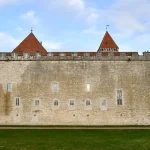
📷 Featured image by Pille R. Priske on Unsplash.